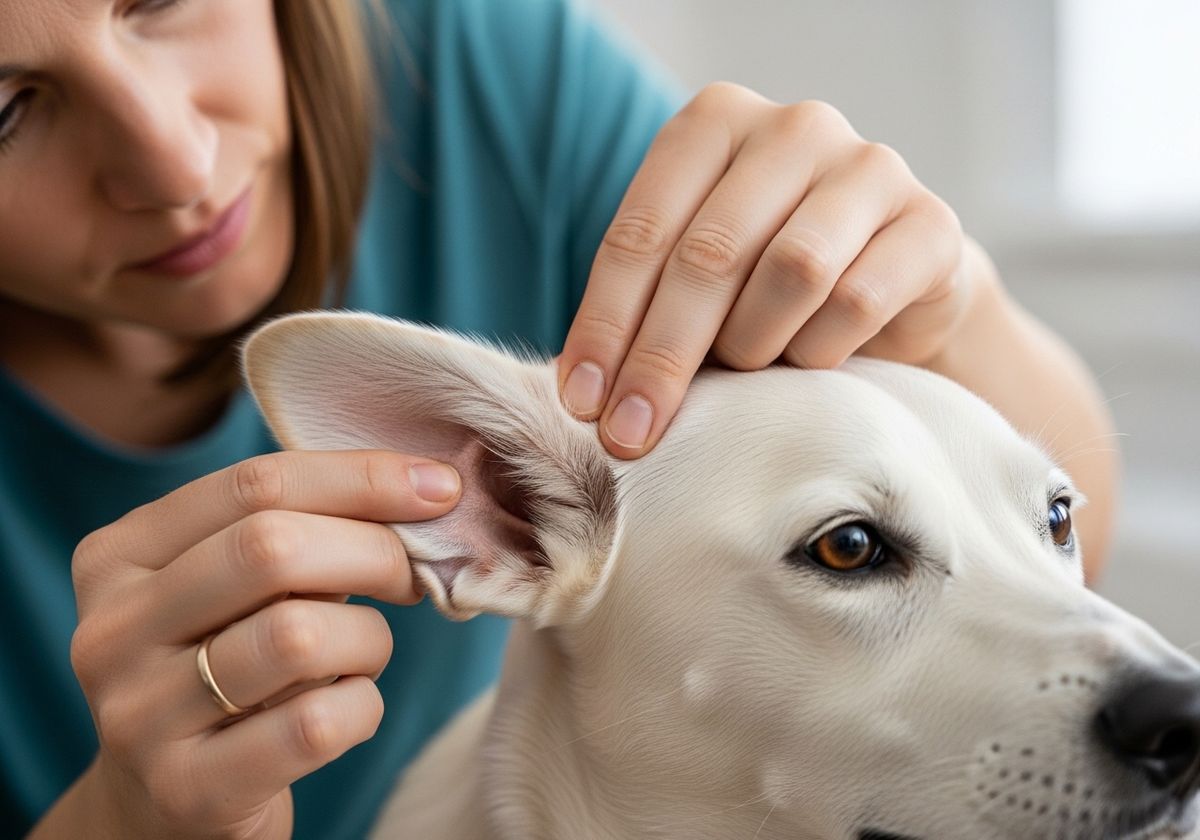
Is your furry friend constantly shaking their head or scratching at their ears? You're not alone! Dirty ears are a common problem for many pets, and understanding why they occur is the first step in keeping your companion comfortable and healthy. At Great Plains Veterinary Dermatology, we want to help you understand the factors that can contribute to excessive earwax, debris, or even infections in your pet's ears.
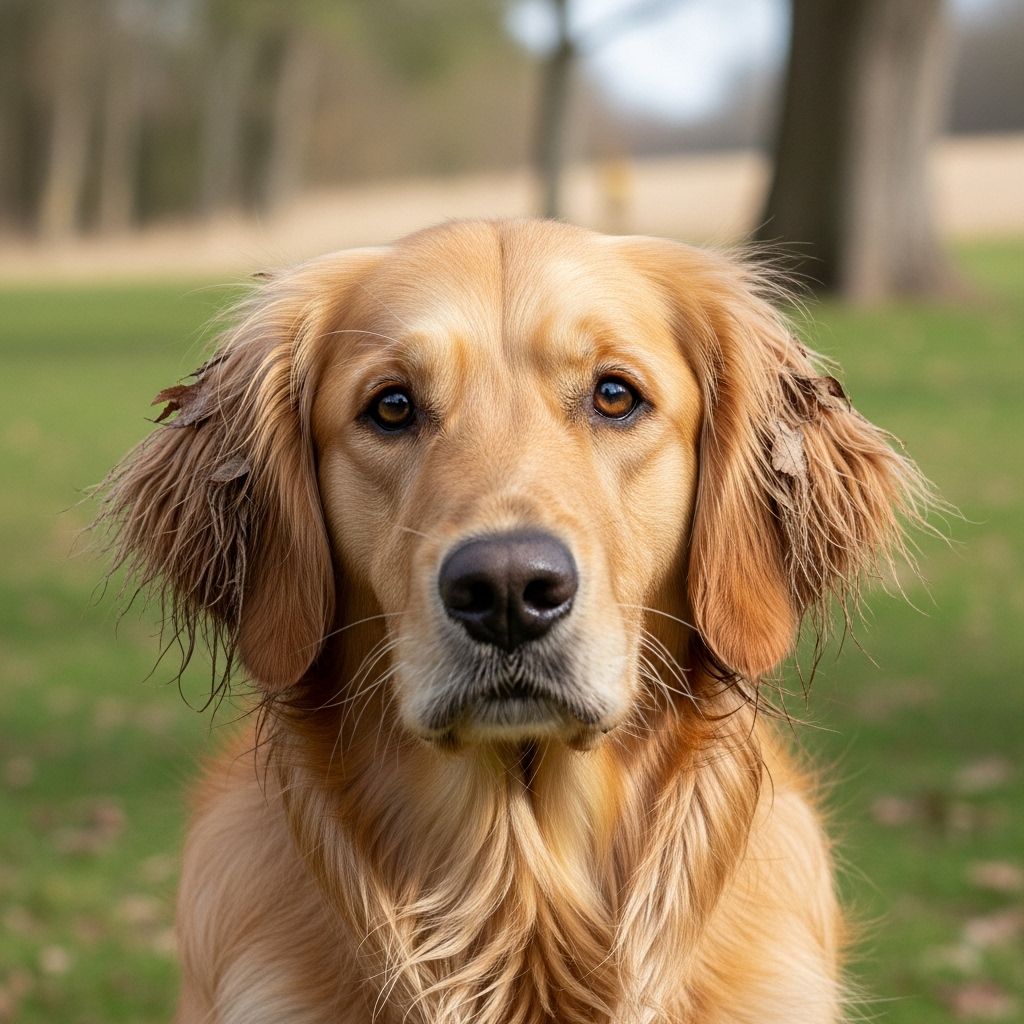
Potential Causes of Dirty Ears
Anatomy: A dog or cat's ear canal is L-shaped, which can trap moisture and debris, creating a breeding ground for bacteria and yeast.
Allergies: Allergies, whether environmental or food-related, are a very common culprit. They can cause inflammation and excessive wax production in the ears. As Omaha’s only board-certified veterinary dermatologist, we understand that allergies manifest in many ways, and ear issues are a very common sign.
Infections: Bacteria and yeast thrive in warm, moist environments. Ear infections are a frequent cause of dirty ears, often accompanied by redness, swelling, discharge, and a foul odor.
Parasites: Ear mites are a common parasite that can cause intense itching and a dark, crumbly discharge in the ears, particularly in cats and kittens.
Foreign Bodies: Grass seeds, foxtails, or other foreign objects can get lodged in the ear canal, causing irritation, inflammation, and discharge. If your dog has been playing in tall grassy areas, this could be a cause.
Skin Tumors on Dogs: Though less common, growths and tumors inside the ear can cause increased wax production and secondary infections. If your pet has a mass inside or near its ears, we can help diagnose the underlying cause and create a treatment plan.
What You Can Do
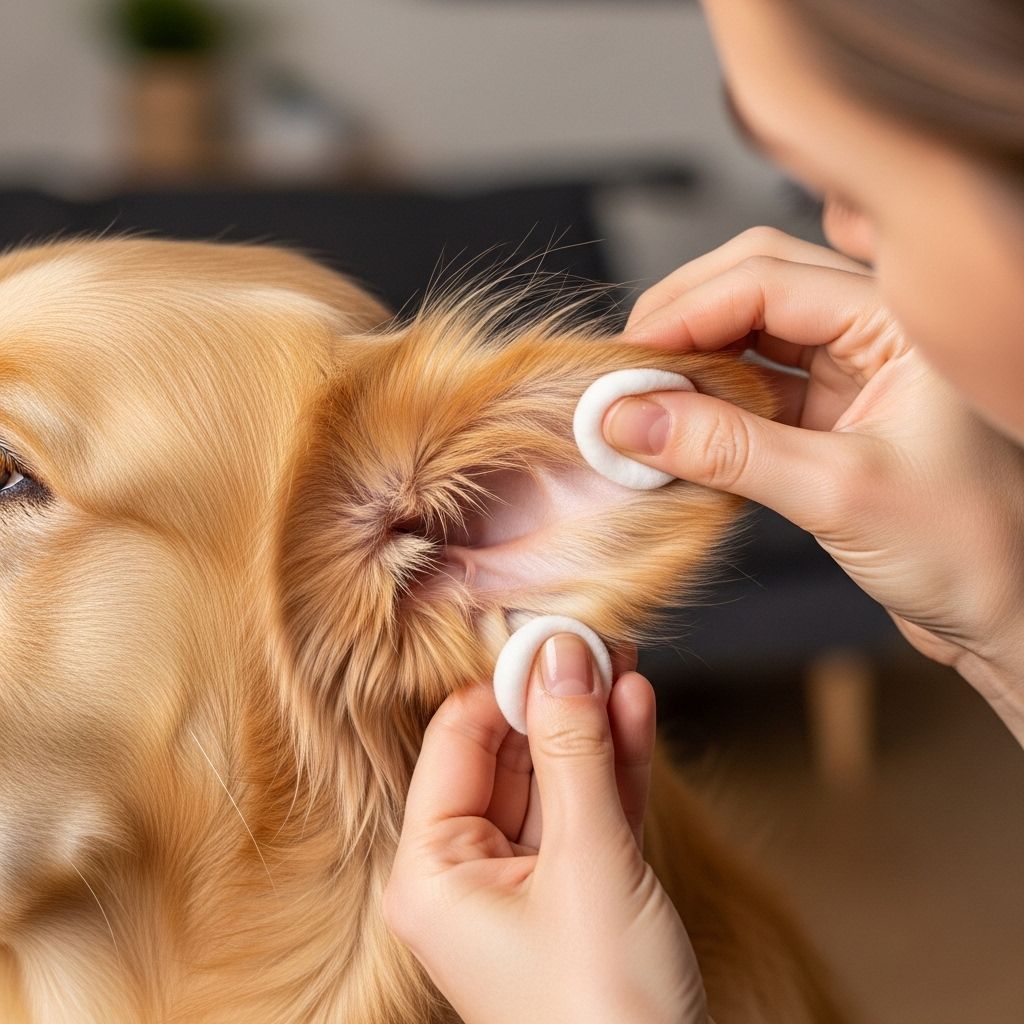
Regular Cleaning: Routine ear cleaning can help remove excess wax and debris, preventing infections. Use a veterinarian-approved ear cleaning solution and follow the instructions carefully. However, over-cleaning can also cause irritation, so it's essential to find the right balance.
Dietary Changes: If your pet has food allergies, switching to a hypoallergenic diet may help reduce inflammation and ear problems. Consult with your veterinarian to determine if a diet change is necessary.
Veterinary Care: If your pet's ears are red, swollen, painful, or have a discharge, seek veterinary attention promptly. Early diagnosis and treatment can prevent complications and provide relief for your furry friend.
When to See a Specialist
If your pet's ear problems are recurring, severe, or not responding to treatment, it may be time to consult with a veterinary dermatologist. Great Plains Veterinary Dermatology has the specialized knowledge and tools to diagnose and treat complex ear conditions, including chronic infections, allergies, and skin tumors in dogs. As a veterinary allergist in Omaha, we're committed to providing expert care with heartland values. If you're concerned about your pet's ear health, contact us today to schedule a consultation. We're here to help your pet live a happy, comfortable, and itch-free life!