
Is your furry friend constantly scratching, licking, or experiencing digestive issues? It might be more than just a temporary discomfort; your pet could be suffering from allergies. As devoted pet parents, Great Plains Veterinary Dermatology understands the worry and frustration that come with seeing our beloved companions in distress. That's why it's essential to recognize when these symptoms warrant a visit to the veterinarian. Let's explore when to seek professional help for your pet's allergies.
Recognizing Allergy Symptoms in Pets
Allergies can manifest differently in pets, making it crucial to be aware of the various signs. Common symptoms include:
Excessive scratching, licking, or biting of the skin
Skin rashes, redness, or inflammation
Hair loss
Ear infections
Runny nose or eyes
Sneezing or coughing
Vomiting or diarrhea
Swollen paws
If your pet exhibits one or more of these symptoms, it's time to consider allergies as a potential cause.
When to Consult a Veterinarian
While some allergy symptoms may seem mild, it's essential to seek veterinary care in the following situations:
Persistent or Worsening Symptoms: If your pet's symptoms persist for more than a few days or worsen over time, it's crucial to consult a veterinarian. Allergies can cause chronic discomfort and lead to secondary infections if left untreated.
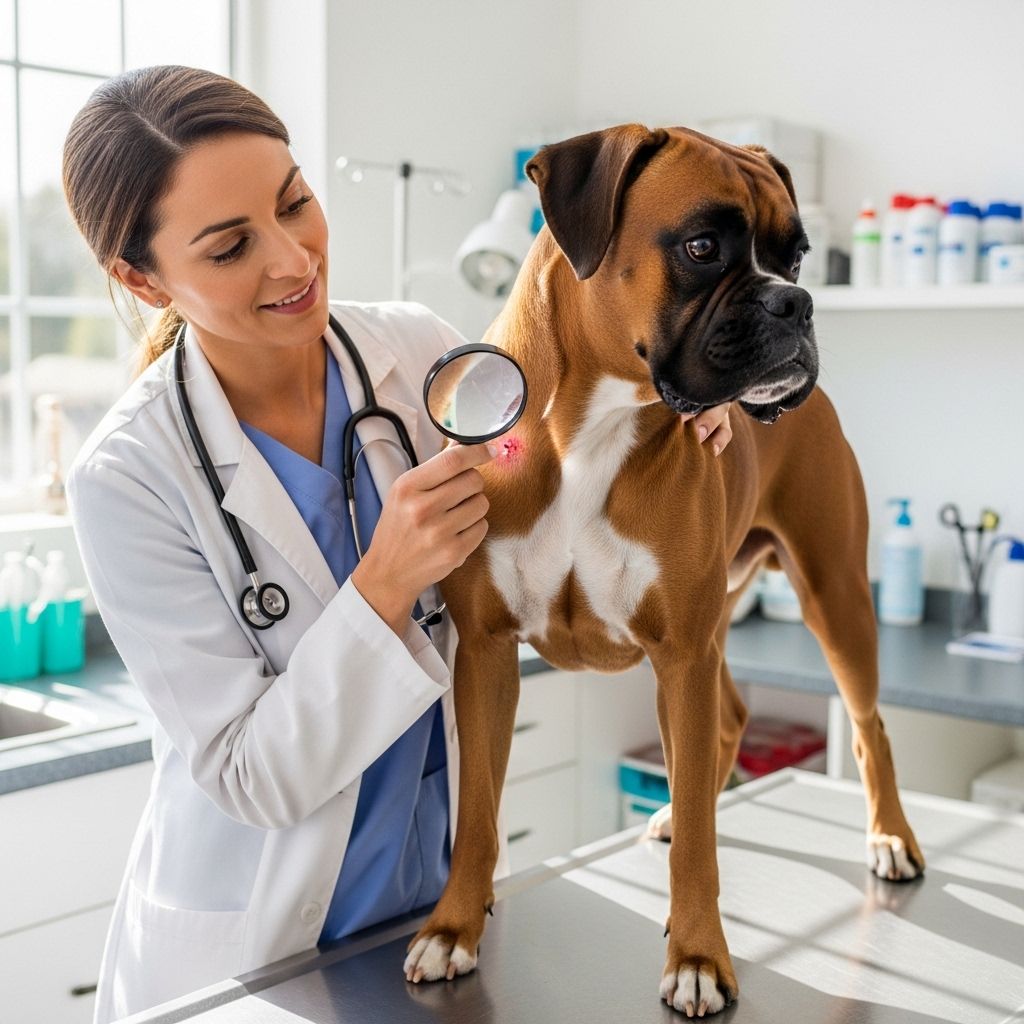
Severe Skin Reactions: Severe skin reactions, such as widespread rashes, open sores, or significant hair loss, require immediate veterinary attention. These symptoms could indicate a severe allergic reaction or an underlying skin condition.
Recurring Ear Infections: Frequent ear infections can be a sign of underlying allergies. A veterinarian can help identify the allergens causing the infections and recommend appropriate treatment.
Digestive Issues: Vomiting, diarrhea, or changes in appetite can indicate food allergies or intolerances. A veterinarian can perform diagnostic tests to determine the cause of your pet's digestive issues.
Respiratory Problems: Coughing, sneezing, or difficulty breathing can be signs of respiratory allergies. These symptoms can be life-threatening and require immediate veterinary care.
The Role of a Veterinary Dermatologist
In some cases, your veterinarian may refer you to a veterinary dermatologist for specialized care. A veterinary dermatologist is a veterinarian who has completed additional training in diagnosing and treating skin conditions, including allergies. They have expertise in identifying allergens, performing allergy testing, and developing customized treatment plans.
Allergy Testing and Treatment Options
A dog allergist or cat allergist will conduct allergy testing to identify the specific allergens triggering your pet's symptoms. Allergy testing may involve intradermal skin testing or blood tests. Once the allergens are identified, your veterinary dermatologist can develop a treatment plan tailored to your pet's needs.
Treatment options may include:
Allergen avoidance: Minimizing your pet's exposure to identified allergens.
Medications: Antihistamines, corticosteroids, or immunosuppressants to relieve symptoms.
Topical therapies: Medicated shampoos, creams, or sprays to soothe irritated skin.
Allergy shots (immunotherapy): Gradually desensitizing your pet to allergens.
Dietary changes: Switching to a hypoallergenic or limited-ingredient diet.

Addressing Skin Tumors on Dogs
It's also important to be vigilant about skin tumors on dogs. While not always related to allergies, skin tumors can sometimes be mistaken for allergic reactions. Regular skin examinations are crucial for early detection. If you notice any unusual lumps, bumps, or changes in your dog's skin, consult your veterinarian promptly.
Recognizing the signs of allergies in pets and seeking timely veterinary care is essential for their health and well-being. Don't hesitate to consult your veterinarian if you suspect your furry friend is suffering from allergies. With proper diagnosis and treatment, you can help your pet live a happy, comfortable, and itch-free life.
At Great Plains Veterinary Dermatology, we understand the challenges pet allergies pose. If your pet is battling persistent skin issues, we're here to help. Contact us today to explore how our dedicated team can provide the specialized care your companion deserves, ensuring their comfort and your peace of mind.