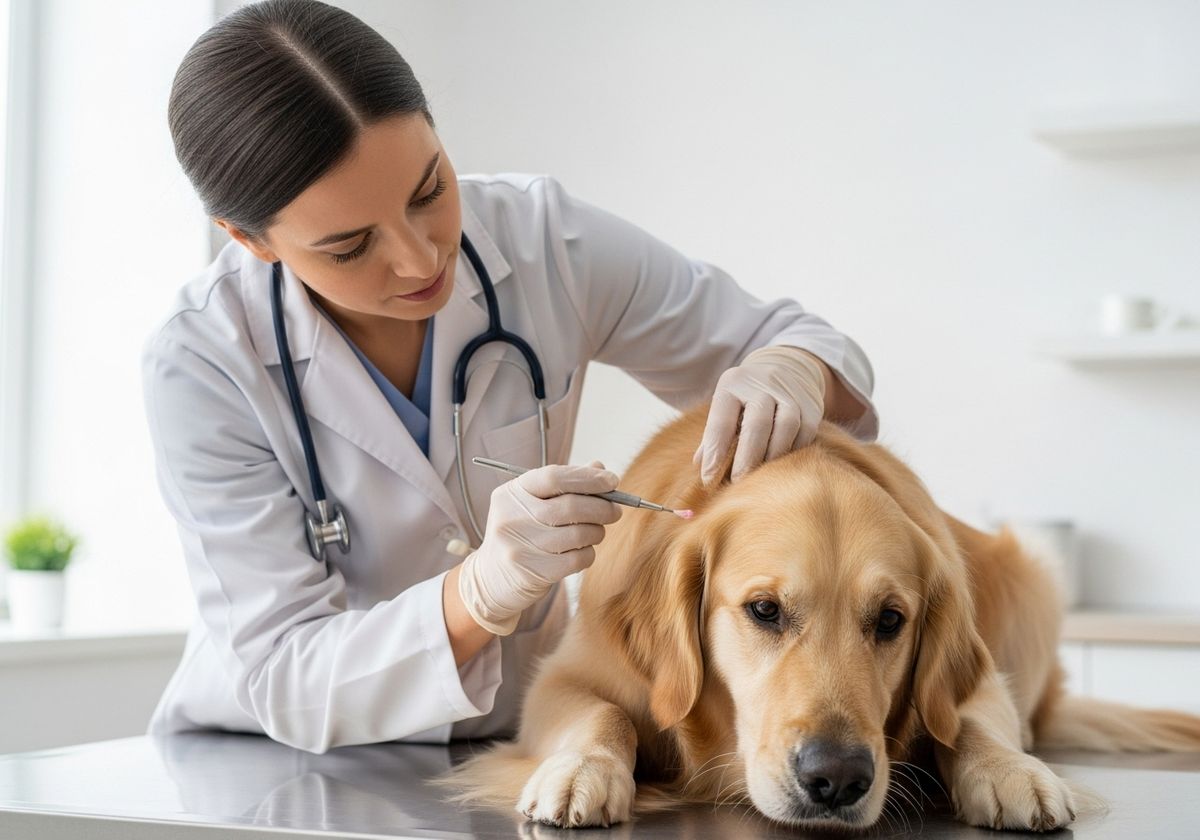
When your furry friend is dealing with a persistent skin issue, a skin biopsy can be a crucial step in identifying the root cause and developing an effective treatment plan. As an Omaha vet clinic, Great Plains Veterinary Dermatology understands that the thought of any medical procedure can be a little nerve-wracking. This blog post aims to walk you through what to expect during a pet skin biopsy, helping you feel more prepared and at ease.
Why a Skin Biopsy?
Skin biopsies are typically recommended when a veterinarian, perhaps even a veterinary dermatologist, suspects a condition that can't be diagnosed through a simple examination. This could include persistent skin infections, unusual lesions, suspected skin tumors in dogs, or determining the underlying cause of allergic reactions. For instance, if your pet is displaying signs that may require a dog allergist or even a cat allergist, a skin biopsy might be necessary to pinpoint the specific allergens or other factors at play.
The Process: Step-by-Step
Consultation and Examination: Before the biopsy, your vet will conduct a thorough physical examination of your pet’s skin. They'll discuss your pet’s medical history, current medications, and any concerns you may have. This is the perfect time to ask questions and express any anxieties.
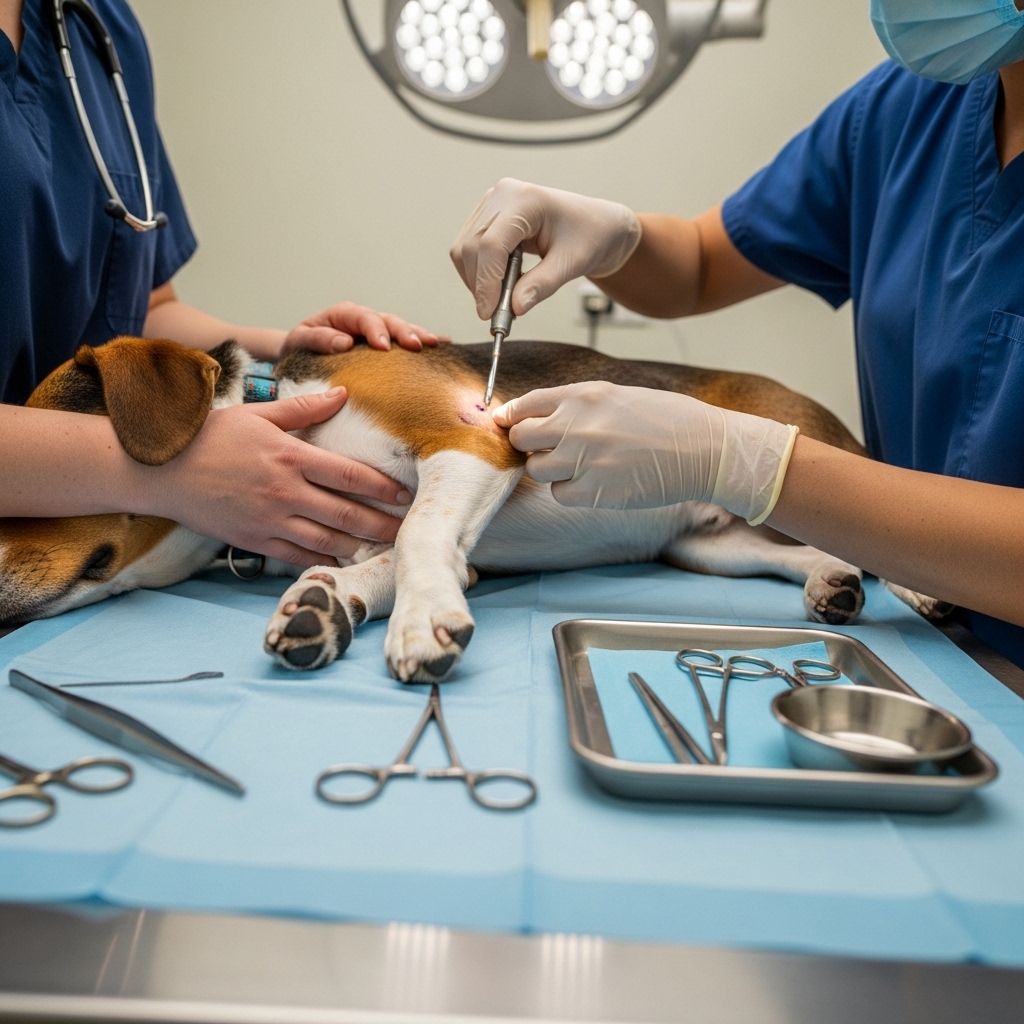
Preparation: In most cases, a local anesthetic will be administered to the biopsy site to minimize discomfort. Depending on the location and size of the area, your pet may need to be sedated to ensure they remain still during the procedure. The hair around the biopsy site will be clipped, and the area cleaned with a surgical scrub.
Biopsy Collection: There are several methods for collecting skin biopsies:
Punch Biopsy: A small, circular tool is used to remove a cylindrical sample of skin.
Wedge Biopsy: A small, wedge-shaped piece of skin is surgically removed, typically for larger lesions.
Incisional Biopsy: A small portion of the affected skin is removed.
Excisional Biopsy: The entire lesion or affected area is removed.
The choice of method depends on the type and location of the skin issue. 4. Closure and Aftercare: After the sample is collected, the biopsy site is typically closed with sutures or surgical glue. Your vet will provide specific instructions for aftercare, which may include keeping the area clean and dry, preventing your pet from licking or scratching the site (an Elizabethan collar might be necessary), and administering prescribed medications. 5. Laboratory Analysis: The collected sample is sent to a veterinary pathologist who specializes in examining tissues under a microscope. The pathologist will analyze the sample to identify any abnormalities, infections, or other underlying causes of the skin condition. 6. Results and Treatment Plan: Once the results are back, your veterinarian will discuss the findings with you and develop a tailored treatment plan for your pet. This may involve medications, topical treatments, dietary changes, or other therapies.
After the Biopsy: What to Watch For
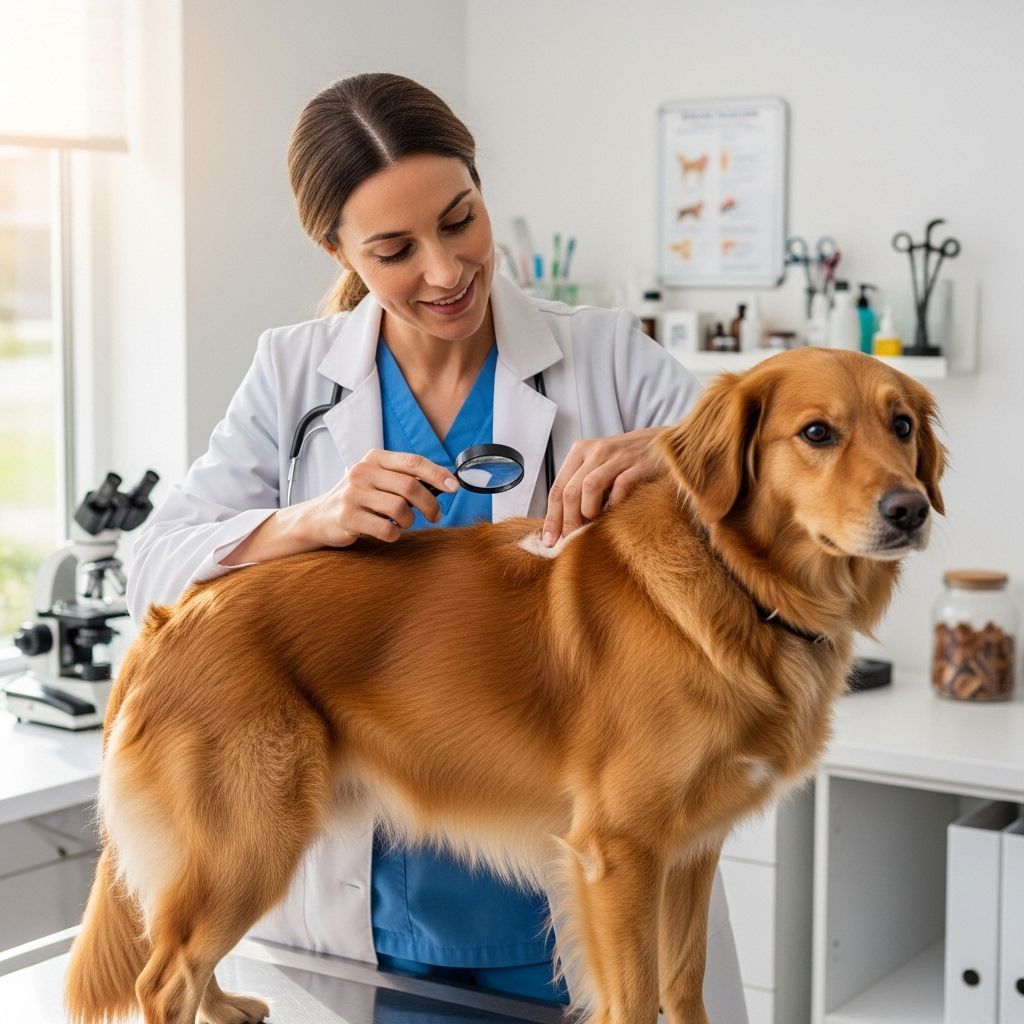
It's essential to monitor the biopsy site for any signs of infection, such as increased redness, swelling, discharge, or pain. Contact your veterinarian immediately if you notice any of these symptoms. Otherwise, follow your vet's aftercare instructions carefully to ensure proper healing.
Understanding the process of a pet skin biopsy can significantly reduce anxiety and help you feel more in control when your beloved companion needs diagnostic care. At Great Plains Veterinary Dermatology, we believe in combining expert care with heartland values. We know that specialized care shouldn't feel out of reach. If your pet is experiencing a skin issue that requires a closer look, don't hesitate to reach out to us. We're here to partner with you every step of the way, ensuring your pet receives the best possible care with transparent pricing.