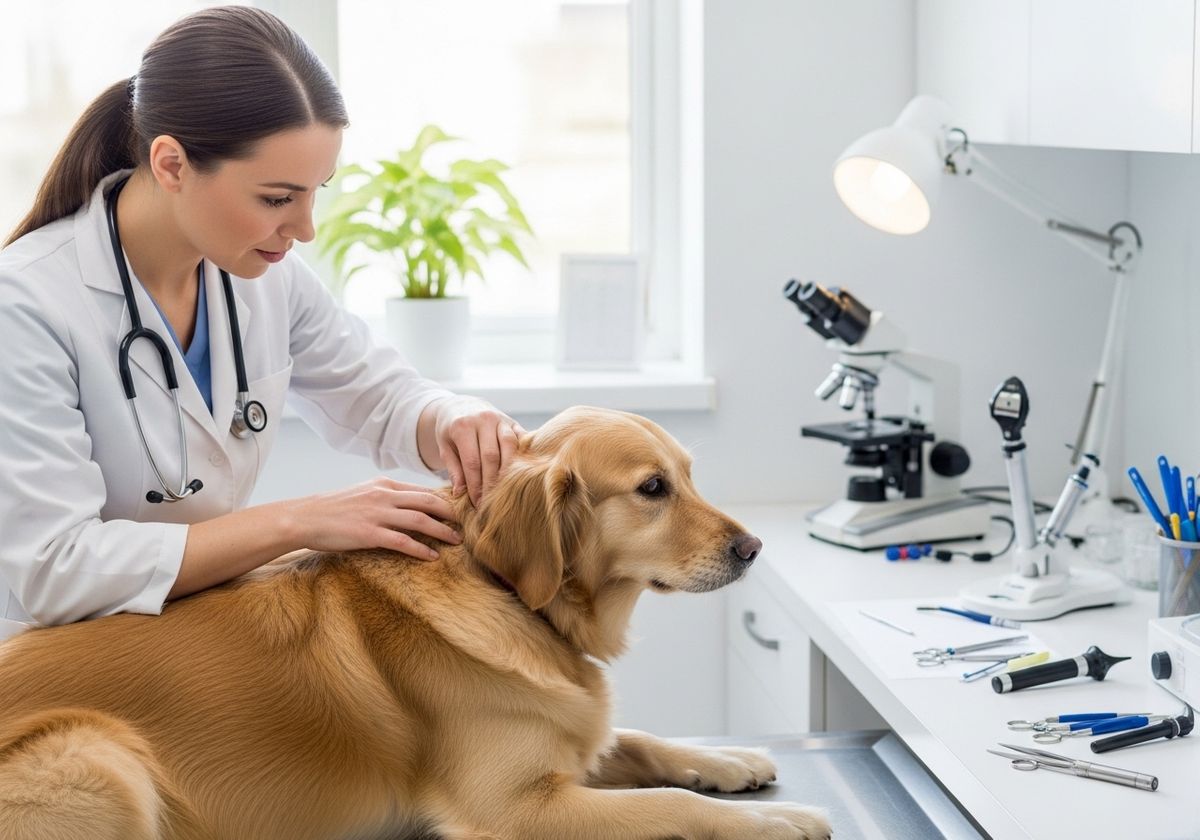
Taking care of our beloved pets means ensuring they're healthy and happy from nose to tail, and that includes their skin! Many pet parents might not realize the importance of specialized dermatological care for their furry friends. Just like us, pets can suffer from a variety of skin conditions that can cause discomfort and affect their overall quality of life. That's where a vet dermatologist comes in. They're the experts in diagnosing and treating skin, coat, and ear problems in animals. If your primary veterinarians suspects that your pet may have dermatological issues, they may recommend you visit a vet dermatologist for specialized care.
What Does a Veterinary Dermatologist Do?
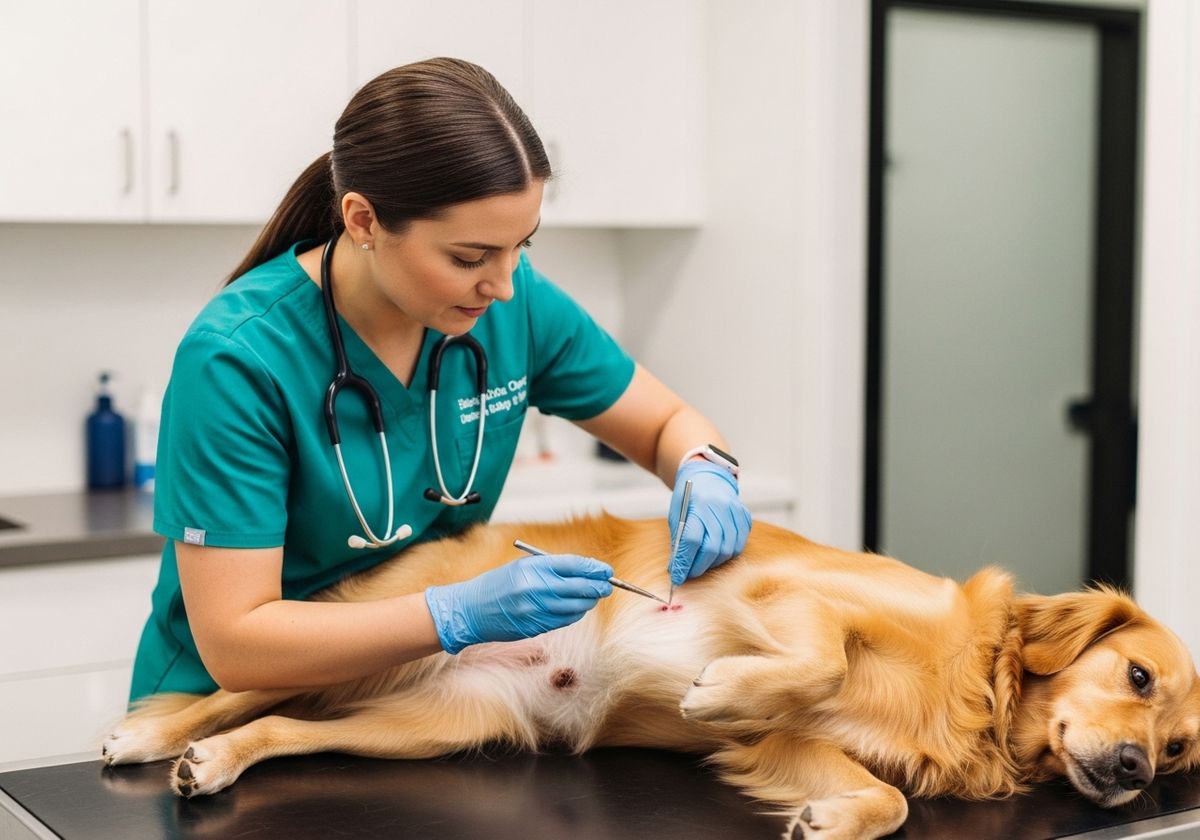
A vet dermatologist is a veterinarian who has completed additional training in dermatology. They have in-depth knowledge of skin diseases, allergies, and immune-mediated conditions that affect the skin and ears of animals. Think of them as dog allergist experts. They use specialized techniques and equipment to diagnose and treat these conditions, providing relief and improving the well-being of your pets. Because of their years of extensive training and focus in the area, they are often able to provide testing, diagnosis, and treatment options that your general practice veterinarians may not offer in their vet clinic.
Why is Specialized Care Important?
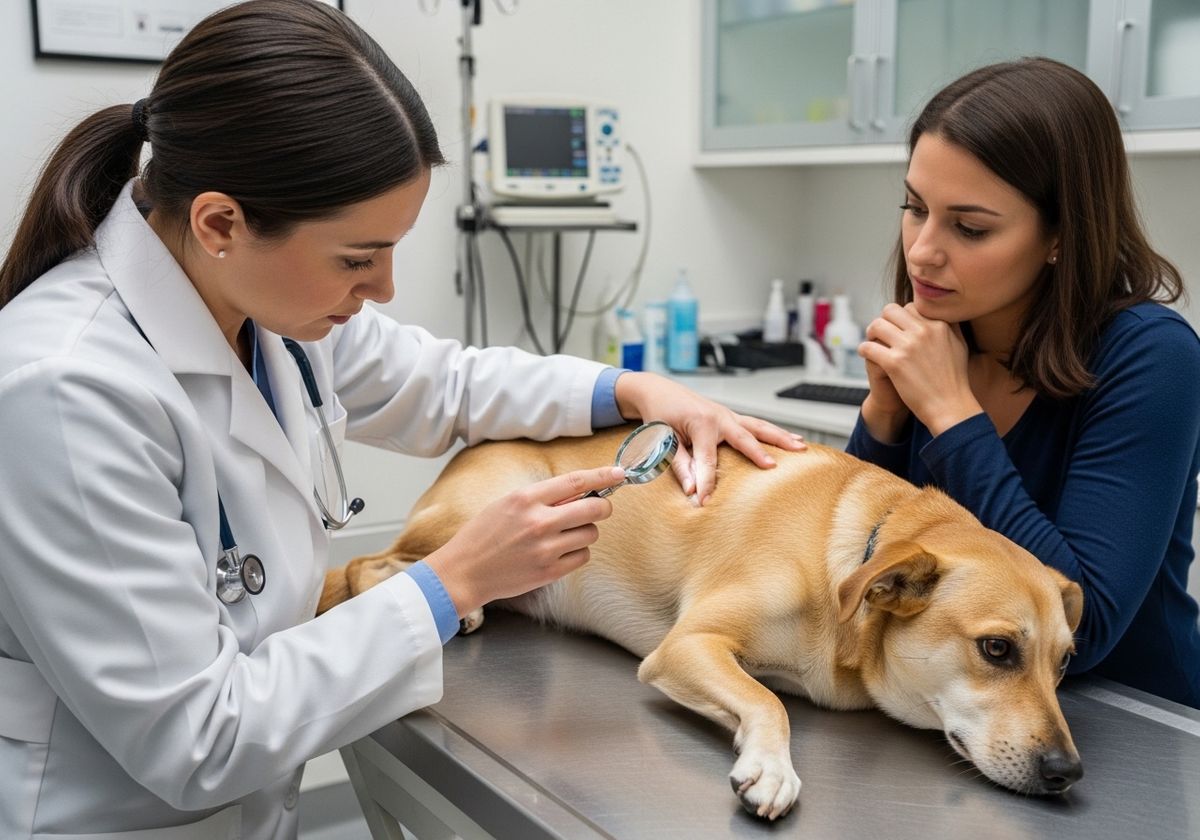
Skin conditions in pets can be complex and challenging to diagnose. Symptoms like itching, redness, and hair loss can be caused by various factors, including allergies, infections, parasites, or even underlying systemic diseases. A vet dermatologist has the expertise to differentiate between these conditions and develop a targeted treatment plan. Without proper diagnosis and treatment, skin problems can become chronic, leading to ongoing discomfort and potential secondary complications.
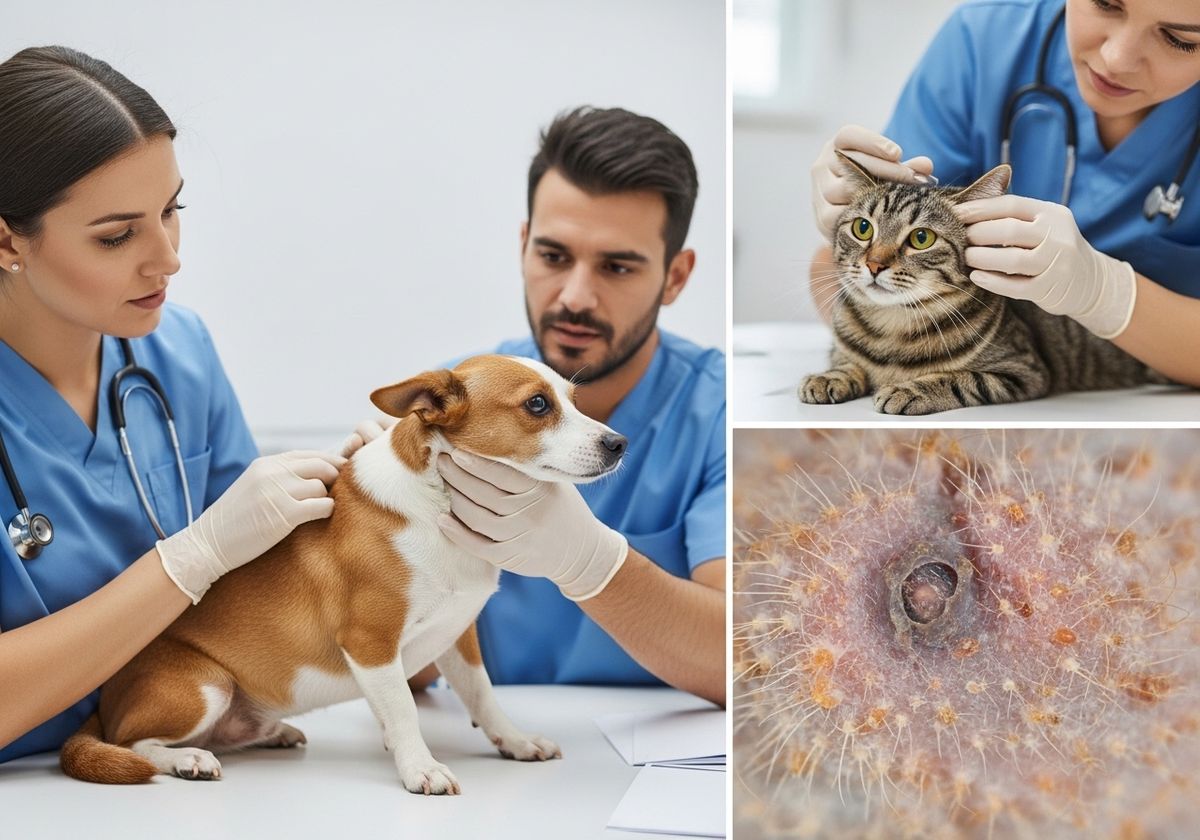
Common Conditions Treated by Vet Dermatologists
Allergies: Environmental or food allergies are common in pets and can cause intense itching and skin inflammation.
Infections: Bacterial, fungal, or yeast infections can affect the skin and ears, leading to discomfort and potential complications.
Parasitic Infestations: Mites, fleas, and other parasites can cause skin irritation and transmit diseases.
Autoimmune Diseases: Conditions like pemphigus can affect the skin and require specialized treatment.

When to See a Vet Dermatologist
If your pet is experiencing any of the following symptoms, it may be time to consult with a vet dermatologist:
Persistent itching, scratching, or licking
Redness, inflammation, or swelling of the skin
Hair loss or changes in coat quality
Skin lesions, bumps, or ulcers
Chronic ear infections
Taking care of your pet's skin is an integral part of their overall health and happiness. Recognizing the signs of skin problems and seeking expert care from a vet dermatologist can make all the difference in providing them with relief and improving their quality of life. At Great Plains Veterinary Dermatology, we understand the unique bond you share with your pets. Founded in 2026 and rooted in Heartland values, our mission is to provide compassionate, expert care to relieve animal suffering and strengthen the human-animal bond. If you're concerned about your pet's skin health, don't hesitate to reach out and schedule a consultation. We're here to partner with you in ensuring your pet's well-being. Learn more about common pet skin conditions on our website, or contact us today to book an appointment.