
As pet owners, we prioritize the health and well-being of our furry family members. While we diligently protect them from common ailments, one threat often goes unnoticed: skin cancer. Just like humans, our beloved pets can develop various forms of skin cancer, some of which can be aggressive and life-threatening. Raising awareness about this condition is crucial for early detection and successful treatment.
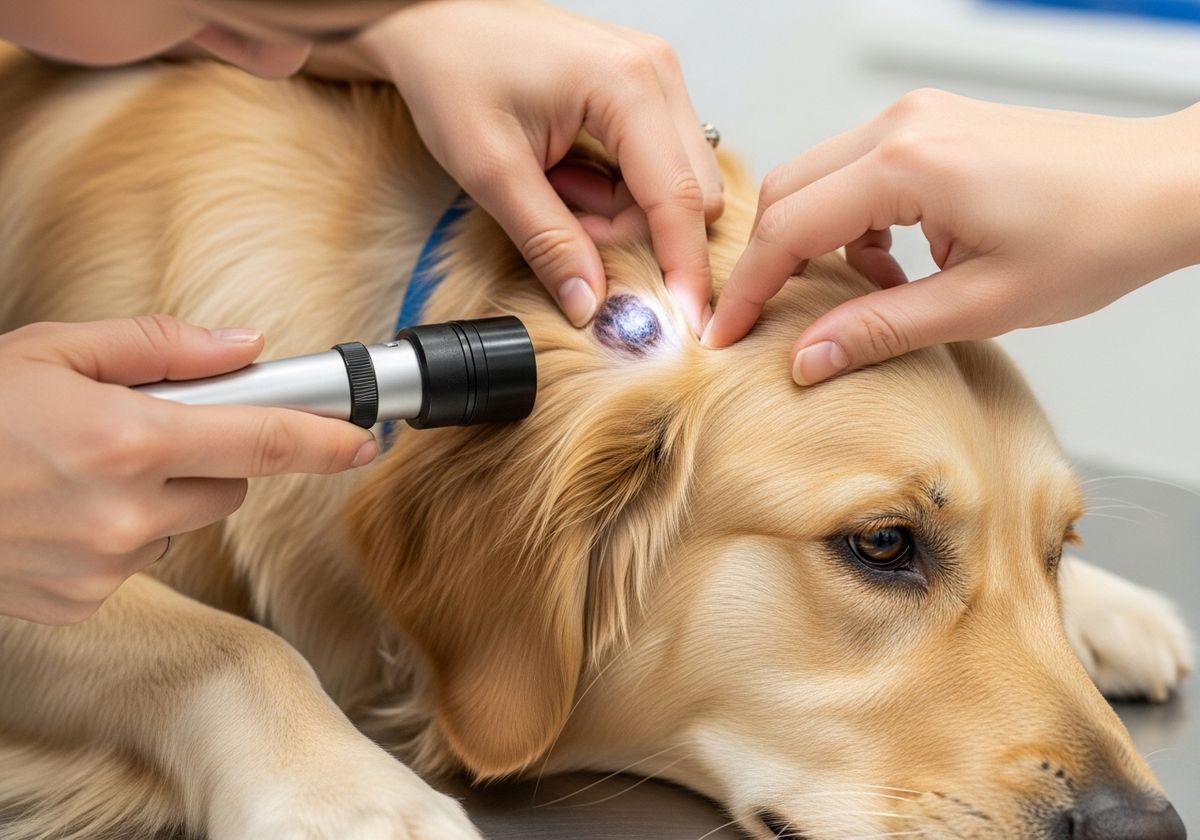
Types of Skin Cancer in Pets
Several types of skin cancer can affect pets, each with its own characteristics and potential risks:
Melanoma: This is one of the most aggressive forms of skin cancer in pets. It originates from melanocytes, the pigment-producing cells in the skin. Melanoma can appear as dark, raised masses or flat, pigmented lesions. It commonly affects the mouth, nail beds, and mucocutaneous junctions (where skin meets mucous membranes).
Squamous Cell Carcinoma (SCC): SCC is a malignant tumor that arises from the squamous cells in the skin. It often appears as raised, ulcerated, or cauliflower-like lesions. Common sites for SCC include the nose, ears, eyelids, and sparsely haired areas.
Basal Cell Carcinoma: Although less aggressive than melanoma and SCC, basal cell tumors can still cause local tissue damage. They typically appear as small, raised, and often ulcerated masses.
Mast Cell Tumors: Mast cell tumors are a common type of skin cancer in dogs. These tumors can vary in appearance, ranging from small, benign growths to large, aggressive masses. They contain mast cells, which release histamine and other substances that can cause inflammation and allergic reactions.

Risk Factors and Prevention
Several factors can increase a pet's risk of developing skin cancer:
Sun Exposure: Prolonged exposure to ultraviolet (UV) radiation from the sun is a significant risk factor, particularly for pets with light-colored fur or skin.
Age: Older pets are generally more susceptible to skin cancer.
Breed: Certain breeds are predisposed to specific types of skin cancer. For example, breeds like Scottish Terriers, Boxers, and Bulldogs have a higher risk of developing mast cell tumors.
Genetics: A family history of skin cancer can increase a pet's risk.
While we can't eliminate all risk factors, there are several steps we can take to protect our pets:
Limit Sun Exposure: Avoid prolonged sun exposure, especially during peak hours (10 a.m. to 4 p.m.).
Use Pet-Safe Sunscreen: Apply pet-safe sunscreen to exposed areas, such as the nose, ears, and belly. Consult with your veterinarian or vet dermatologist to choose a sunscreen that is safe and effective for your pet.
Provide Shade: Ensure your pet has access to shade when outdoors.
Regular Skin Checks: Perform regular skin checks on your pet, paying close attention to any new lumps, bumps, or changes in skin color or texture.
Early Detection and Diagnosis
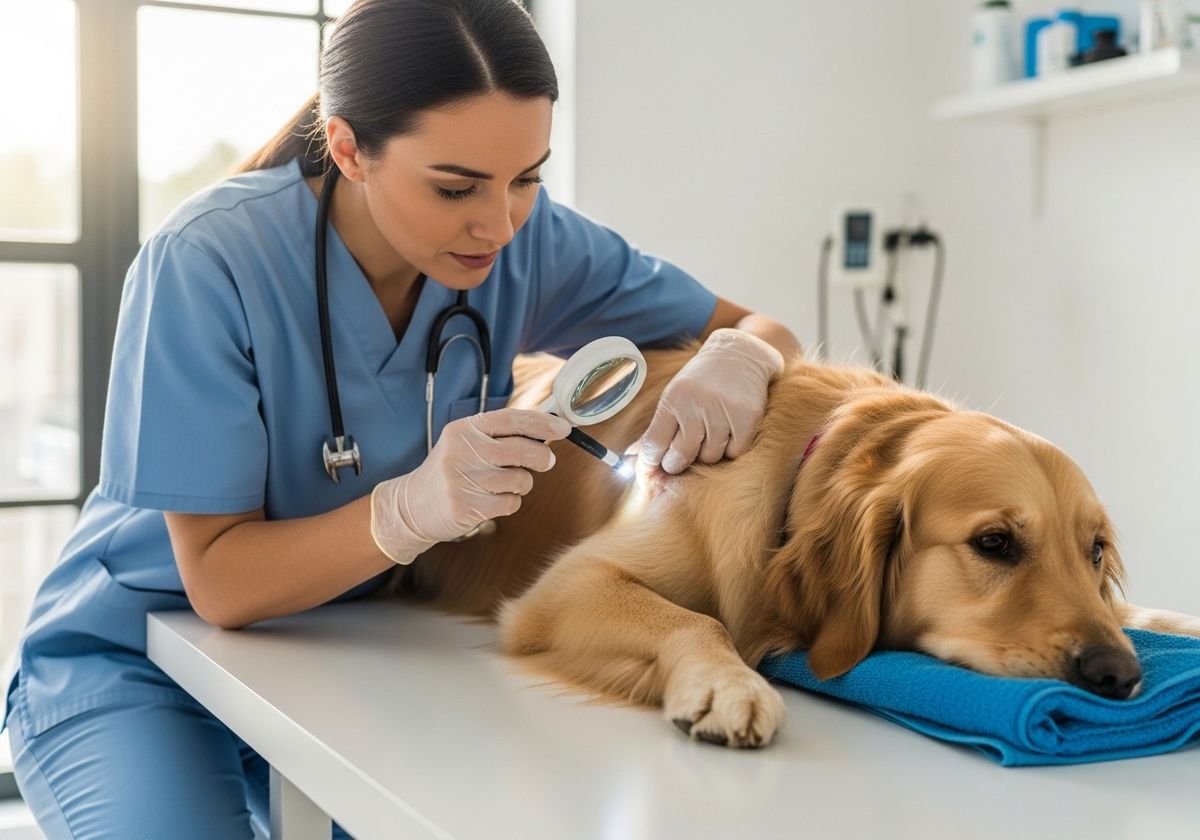
Early detection is crucial for successful treatment of skin cancer in pets. If you notice any suspicious lesions or changes on your pet's skin, schedule an appointment with your veterinarian or vet clinic right away.
Your veterinarian may perform a variety of diagnostic tests, including:
Visual Examination: A thorough examination of the skin to assess the size, shape, and characteristics of any lesions.
Fine Needle Aspiration: A small sample of cells is collected from the lesion using a needle and syringe.
Biopsy: A tissue sample is surgically removed and examined under a microscope.
Blood Tests: To evaluate overall health and detect any signs of systemic involvement.
Treatment Options
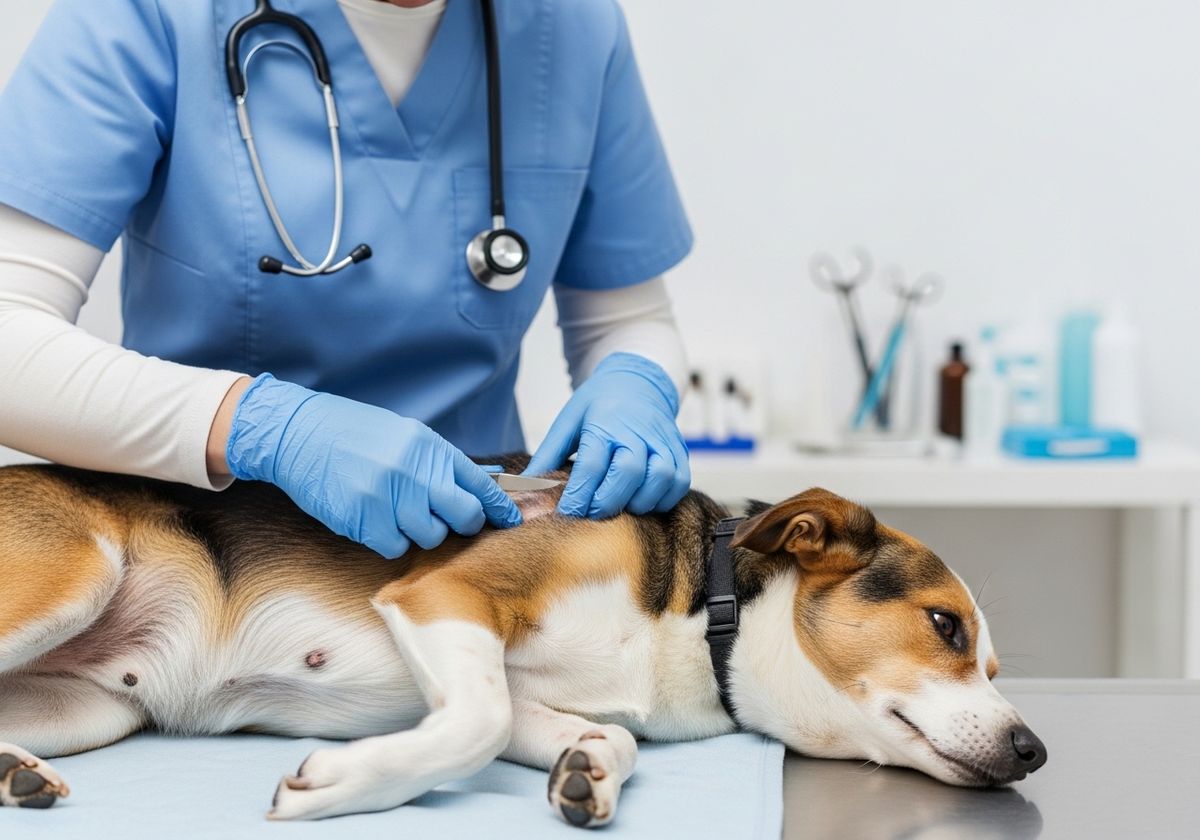
Treatment for skin cancer in pets depends on the type, location, and stage of the cancer. Common treatment options include:
Surgical Excision: Surgical removal of the tumor and surrounding tissue.
Radiation Therapy: Using high-energy rays to kill cancer cells.
Chemotherapy: Using drugs to kill cancer cells throughout the body.
Cryotherapy: Freezing and destroying cancer cells using liquid nitrogen.
Immunotherapy: Stimulating the pet's immune system to fight cancer cells.
Skin cancer is a serious concern for pet owners, but with increased awareness, early detection, and prompt treatment, we can improve the outcomes for our beloved companions. Remember to protect your pets from excessive sun exposure, perform regular skin checks, and consult with your veterinarian or a qualified vet dermatologist if you notice any suspicious lesions.
At Great Plains Veterinary Dermatology, our mission is to provide compassionate, holistic veterinary dermatology care to relieve animal suffering and strengthen the human-animal bond. If you have any concerns about your pet's skin health, don't hesitate to contact us for expert guidance and care. We combine expert care with Heartland values, where specialized care meets local trust.