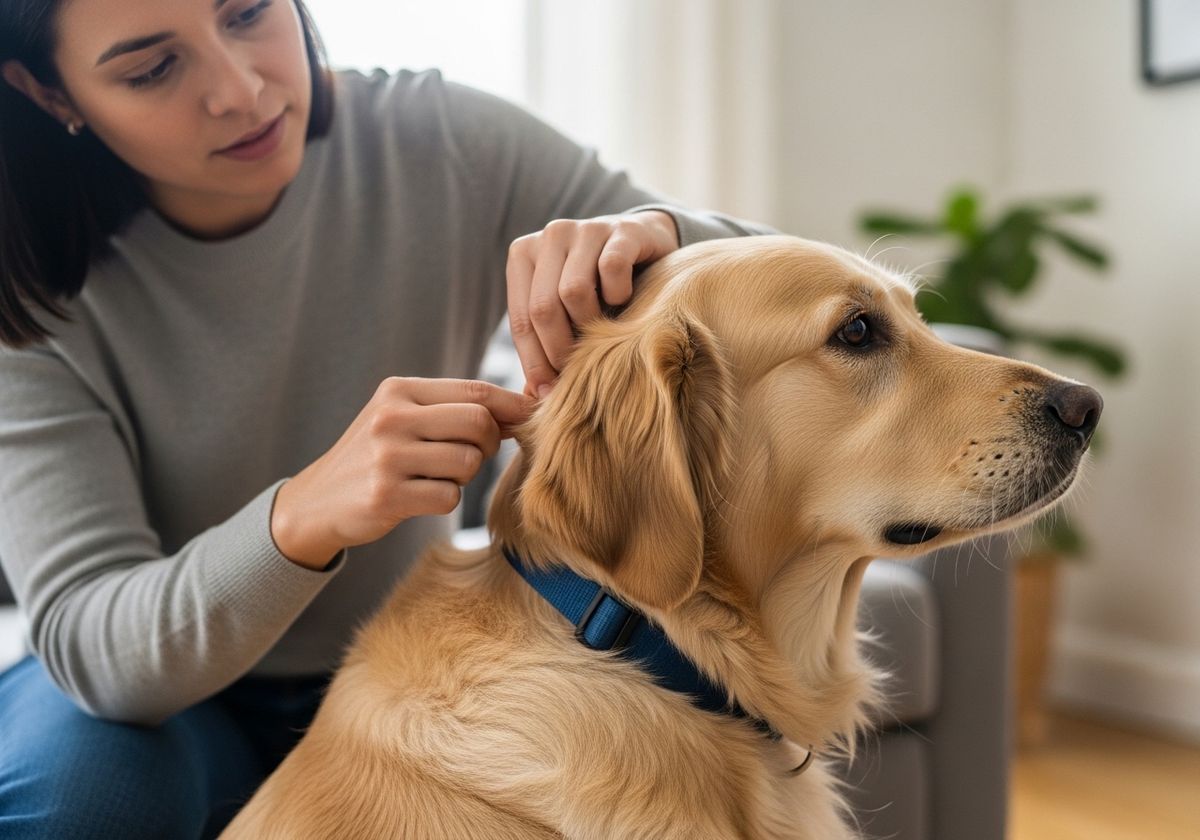
As loving pet parents, we always want to ensure our furry friends are happy and healthy. One crucial aspect of their well-being is hydration. Dehydration can lead to serious health issues if left unaddressed. Recognizing the signs early can make all the difference. This guide will help you identify dehydration in your beloved pets and take appropriate action.
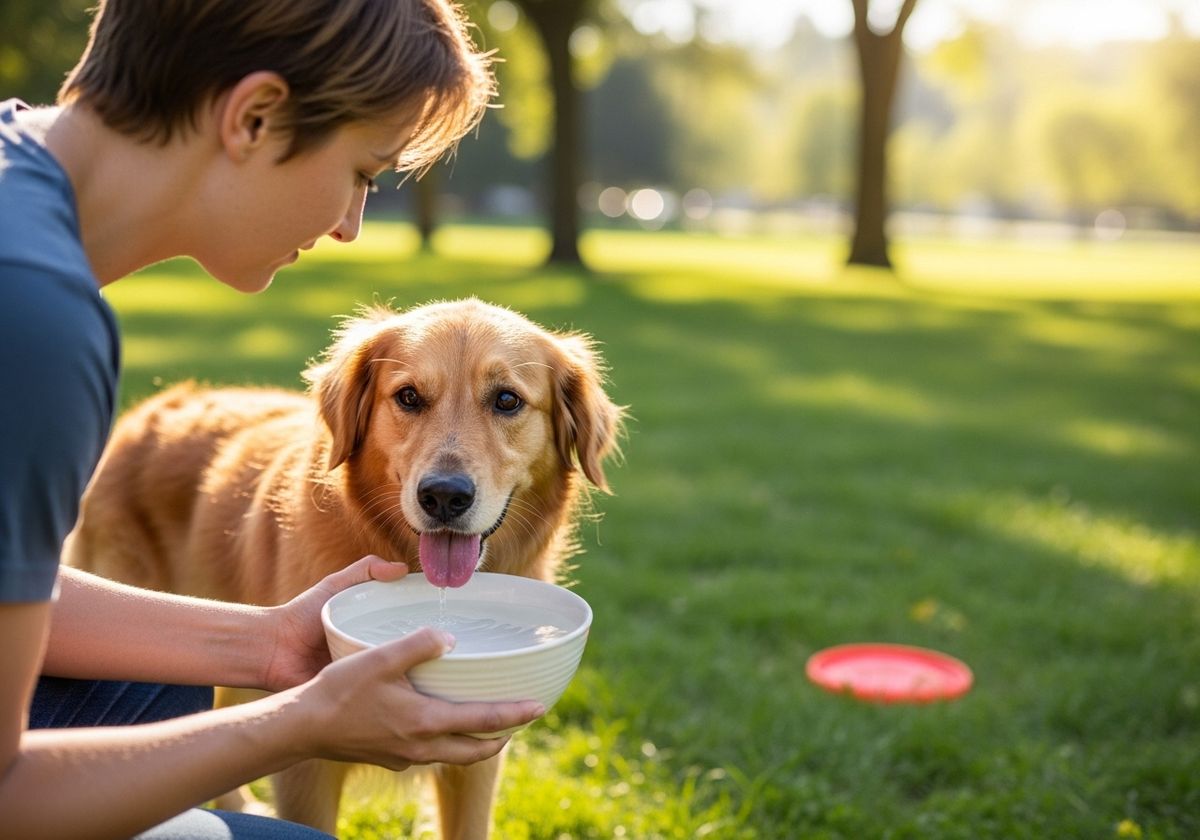
Common Causes of Dehydration
Several factors can lead to dehydration in pets, including:
Insufficient Water Intake: This is the most obvious cause. Always ensure your pet has access to fresh, clean water.
Illness: Vomiting and diarrhea can quickly deplete your pet's fluid reserves.
Heat Exposure: During hot weather or intense exercise, pets can lose fluids through panting.
Underlying Conditions: Kidney disease, diabetes, and other health issues can increase the risk of dehydration.
How to Check for Dehydration
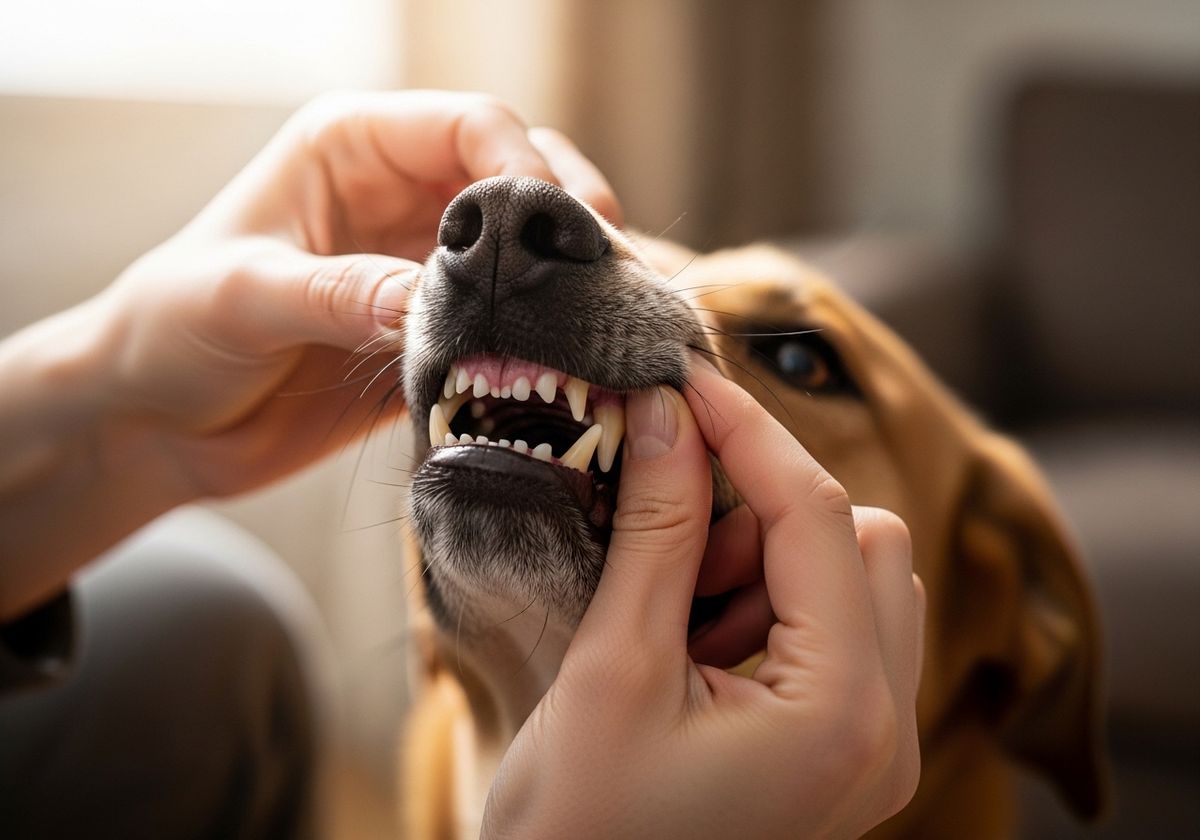
There are several simple tests you can perform at home to check for dehydration:
Gum Check: Gently lift your pet's lip and examine their gums. They should be moist and pink. If the gums are dry or sticky, it could indicate dehydration.
Skin Elasticity Test: Gently pinch the skin on the back of your pet's neck or between their shoulder blades. Lift the skin and then release it. In a well-hydrated animal, the skin should quickly snap back into place. If the skin is slow to return to its normal position, your pet may be dehydrated.
Capillary Refill Time (CRT): Press gently on your pet's gums with your finger until the area turns white. Release the pressure and observe how long it takes for the color to return. Normally, the color should return in 1-2 seconds. A prolonged CRT can indicate dehydration or other circulatory issues.
Signs and Symptoms of Dehydration
Beyond these tests, be aware of the following signs and symptoms:
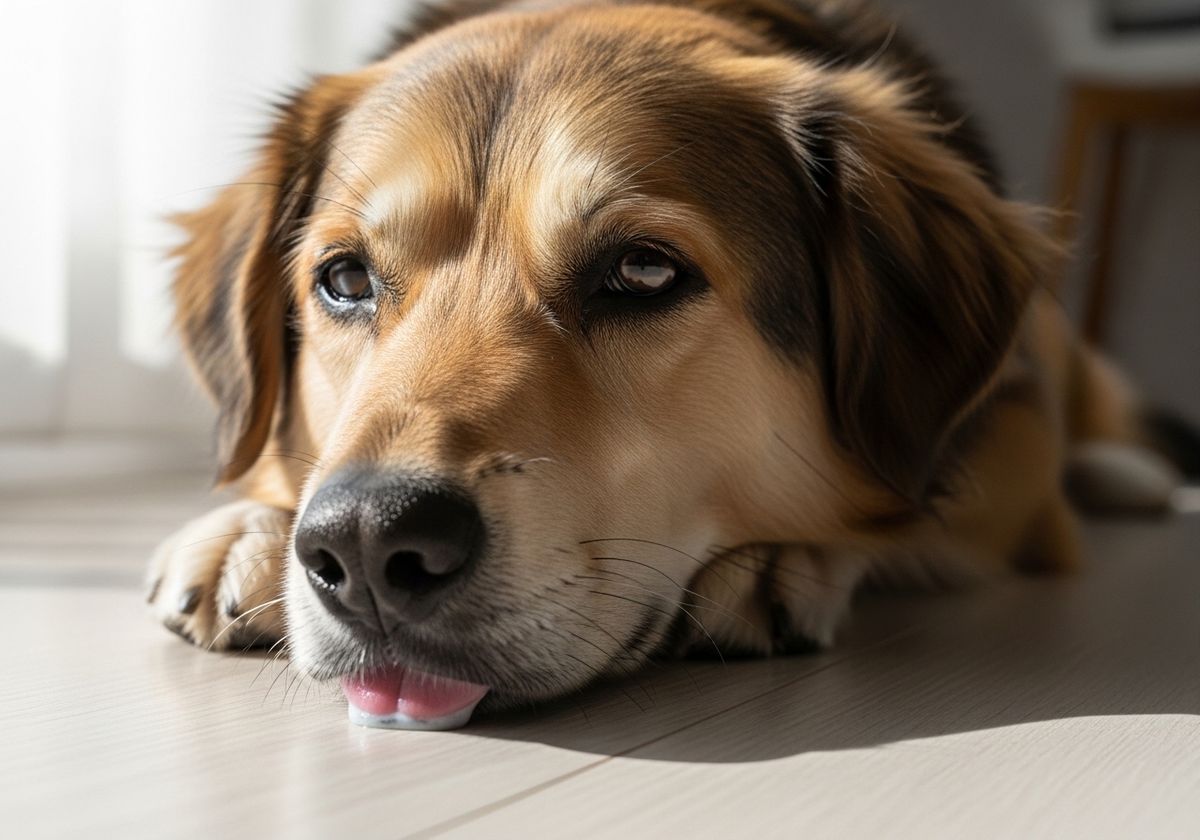
Lethargy or weakness
Loss of appetite
Dry nose
Sunken eyes
Excessive panting
Thick, sticky saliva
What to Do If You Suspect Dehydration
If you suspect your pet is dehydrated, it's essential to take action promptly:
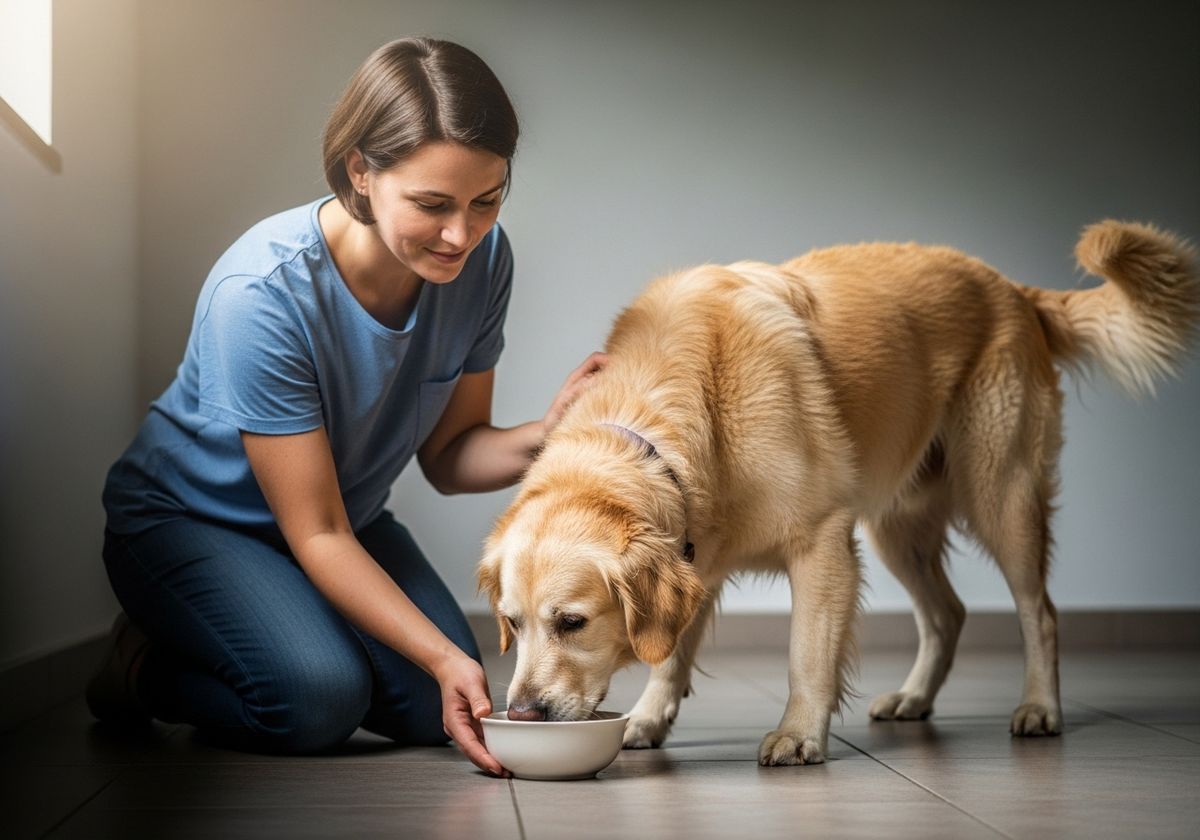
Offer Water: Encourage your pet to drink small amounts of water frequently. Avoid forcing them to drink, as this can cause vomiting.
Electrolyte Solutions: You can offer electrolyte-enhanced water or pet-specific electrolyte solutions to help replenish lost minerals.
Cool Environment: Move your pet to a cool, shaded area to help them regulate their body temperature.
Contact Your Veterinarian: If your pet is severely dehydrated or showing other concerning symptoms, contact your veterinarian immediately. Dehydration can sometimes be a symptom of other problems that a trained vet dermatologist will be able to diagnose. Intravenous fluids and other supportive care may be necessary, and prompt intervention from your veterinarians can be lifesaving.
Recognizing dehydration in your pet and taking quick action can significantly impact their health and well-being. By staying vigilant and knowing the signs, you can ensure your furry friend stays happy, healthy, and hydrated. At Great Plains Veterinary Dermatology, founded in 2026 and rooted in the heartland, we understand the deep bond you share with your pets. Our mission is to provide expert care with heartland values. If you notice any signs of skin issues or dehydration-related concerns, don't hesitate to reach out to our vet clinic for compassionate and comprehensive care. We're here to partner with you in ensuring your pet's well-being because specialized care shouldn't feel out of reach.