
Is your furry friend constantly scratching, licking, or experiencing skin problems? They might be suffering from pet skin allergies. As loving pet parents, it's distressing to see our companions uncomfortable. Understanding the causes, symptoms, and treatment options for pet skin allergies is the first step toward bringing them relief.

Common Causes of Pet Skin Allergies
Just like humans, pets can be allergic to various substances. Some of the most common culprits include:
Food Allergens: Certain ingredients in pet food, such as beef, chicken, dairy, or wheat, can trigger allergic reactions.
Environmental Allergens: Pollen, mold spores, dust mites, and even grasses can cause allergic reactions in pets, especially during certain seasons.
Flea Allergy Dermatitis: Flea bites are a very common cause of skin allergies in pets. Even a single bite can cause intense itching and inflammation.
Contact Allergens: Certain materials like plastic, rubber, or even some cleaning products can cause skin irritation upon contact.

Recognizing the Symptoms
Skin allergies can manifest in several ways. Keep an eye out for these common symptoms:
Excessive scratching, licking, or biting
Red, inflamed skin
Hair loss
Rashes or bumps
Ear infections
Hot spots (localized areas of inflamed, infected skin)

Treatment Options Available
Fortunately, there are several effective treatment options to help manage pet skin allergies:
Allergen Avoidance: Identifying and avoiding the specific allergen is key. This might involve changing your pet's food, using air purifiers, or keeping them away from certain outdoor areas.
Medications: Your veterinarian or vet dermatologist may prescribe antihistamines, corticosteroids, or other medications to relieve itching and inflammation.
Topical Treatments: Medicated shampoos, creams, and sprays can help soothe irritated skin and prevent secondary infections.
Immunotherapy: Also known as allergy shots or sublingual immunotherapy, this involves gradually exposing your pet to small amounts of the allergen to build tolerance over time.
Flea Control: Maintaining strict flea control is crucial, especially for pets with flea allergy dermatitis. Your veterinarian can recommend the best flea prevention products for your pet.
The Role of a Vet Dermatologist
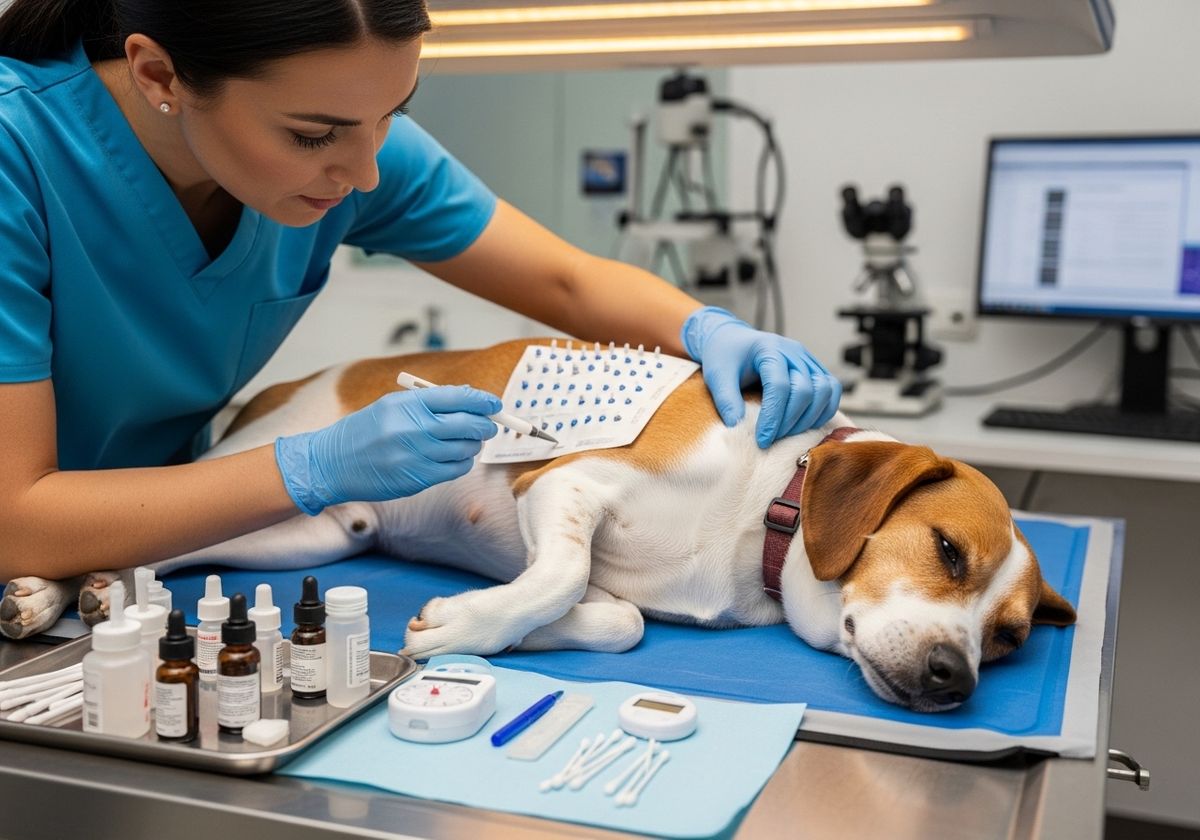
If your pet's skin allergies are severe or difficult to manage, consider consulting a vet dermatologist. These specialists have extensive training and experience in diagnosing and treating skin conditions in animals. They can perform allergy testing to identify specific allergens and develop a tailored treatment plan for your furry friend. Veterinarians sometimes refer to a vet dermatologist or dog allergist, depending on the specific focus and expertise.
Pet skin allergies can be a frustrating and uncomfortable experience for both you and your beloved companion. By understanding the causes, symptoms, and treatment options, you can take proactive steps to bring them relief. Remember, early diagnosis and treatment are crucial for managing allergies effectively. At Great Plains Veterinary Dermatology, we understand the unique bond you share with your pet. Our mission, rooted in Heartland values and expert care, is to provide compassionate and comprehensive dermatology care. If your pet is struggling with skin allergies, we encourage you to reach out to your trusted veterinarians or contact us today to learn more about how we can help! Discover expert care, where specialized treatment meets local trust, right here in the heartland. Expert care. Heartland Values.