
Protecting our beloved pets is always a top priority, especially in a beautiful state like Nebraska where nature thrives. However, some of Nebraska's native and ornamental plants can pose a threat to our furry friends. As a responsible pet parent, it's essential to be aware of these potential dangers and take the necessary precautions to ensure your pet's safety.
Common Toxic Plants in Nebraska
Several plants found in Nebraska can be harmful if ingested by pets. Here are some of the most common culprits:
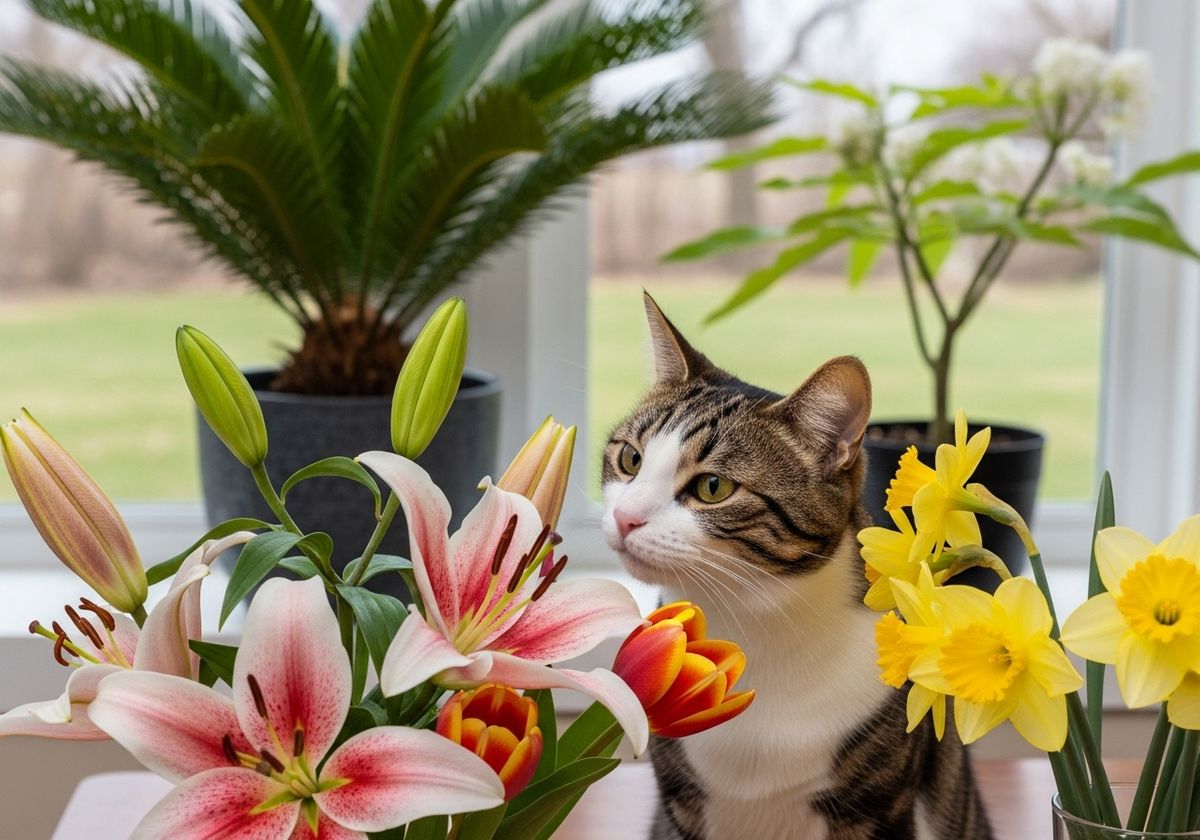
Lilies: These popular flowers are highly toxic to cats. Even a small amount of pollen or water from the vase can cause kidney failure.
Tulips and Daffodils: The bulbs of these spring blooms contain toxins that can cause vomiting, diarrhea, and drooling.
Sago Palm: All parts of this plant are poisonous, but the seeds are especially dangerous. Ingestion can lead to liver failure and even death.
Oleander: This shrub is extremely toxic, and even a small amount can cause severe cardiac and neurological problems.
Castor Bean: The beans of this plant contain ricin, a potent toxin that can be fatal.
Milkweed: While Monarch butterflies love it, Milkweed sap contains cardiac glycosides that are toxic to dogs and cats.

Symptoms of Plant Poisoning
If you suspect your pet has ingested a toxic plant, it's crucial to seek veterinary attention immediately. Common symptoms of plant poisoning include:
Vomiting
Diarrhea
Drooling
Loss of appetite
Lethargy
Difficulty breathing
Seizures
Prevention Tips
Here are some tips to help keep your pets safe from toxic plants:
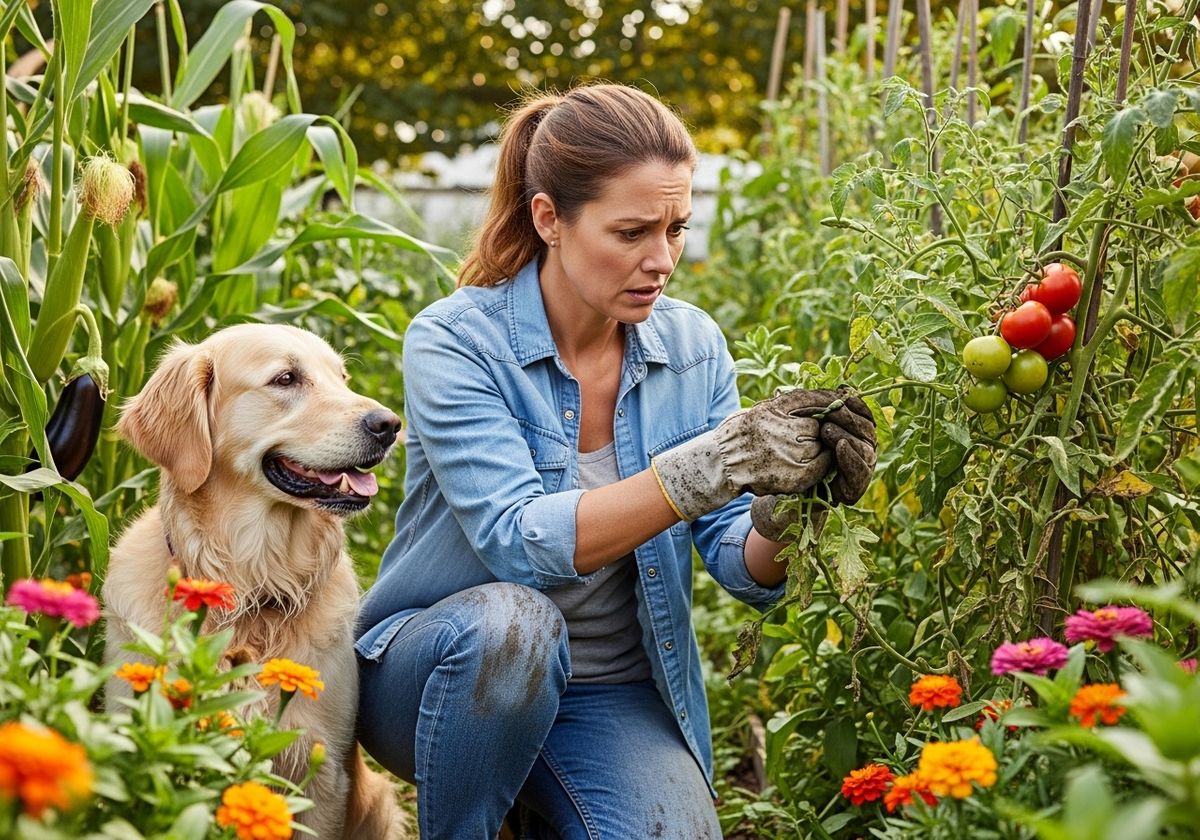
Identify and Remove: Take a walk around your yard and identify any potentially toxic plants. Remove them or make them inaccessible to your pets.
Choose Pet-Friendly Plants: When landscaping, opt for plants that are safe for pets. There are many beautiful and non-toxic options available.
Keep Plants Out of Reach: If you have toxic plants indoors, keep them in areas that your pets cannot access, such as high shelves or hanging baskets.
Be Aware on Walks: When walking your dog, be mindful of the plants along the way. Keep them on a leash and prevent them from eating anything they find.
Educate Yourself: Learn about the plants in your area that are toxic to pets. The ASPCA website has a comprehensive list of toxic and non-toxic plants.

When to Consult a Specialist
If your pet experiences recurrent skin issues or allergies, it's essential to consult with a veterinarian. For complex cases, your veterinarian may recommend a specialist such as a vet dermatologist or dog allergist. These specialists have advanced training and expertise in diagnosing and treating skin conditions and allergies in pets.
Being aware of Nebraska's toxic plants and taking preventive measures is crucial for protecting your furry companions. By creating a safe environment and seeking prompt veterinary care when needed, you can ensure your pet stays happy and healthy. At Great Plains Veterinary Dermatology, founded in 2026, our mission is to provide compassionate, holistic veterinary dermatology care rooted in open communication, trust, integrity, and empathy. If you have any concerns about your pet's skin health, don't hesitate to reach out to your trusted veterinarians or contact us to learn more about how our team can help! Remember, we offer expert care with heartland values.