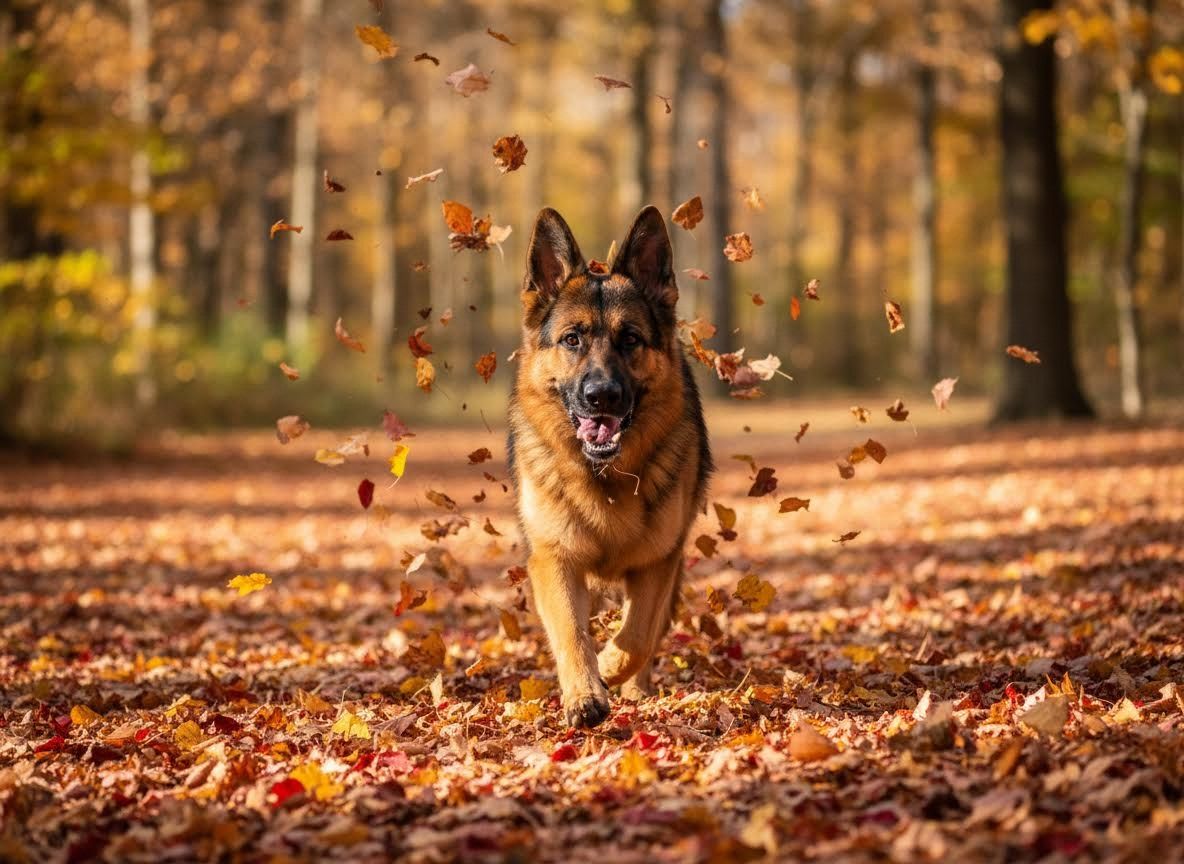
As the vibrant greens of summer fade to the golden hues of autumn, many pet owners in Nebraska notice a familiar, unwelcome change: their beloved companions start to itch. Seasonal allergies can be just as troublesome for our pets as they are for us, and understanding the culprits blooming in our local environment is the first step toward relief. At Great Plains Veterinary Dermatology, we know how distressing it is to see your pet uncomfortable, and we're here to help you navigate these challenges with compassion and expertise.
Unmasking Nebraska's Autumn Allergens
When autumn arrives in Nebraska, it brings a fresh wave of environmental allergens that can trigger discomfort for sensitive pets. The primary suspect, often blooming with vigor during this season, is ragweed, notorious for its widespread pollen that can travel for miles. Beyond ragweed, other late-blooming weeds like goldenrod and cocklebur can also contribute to airborne irritants. It's not just plants, though; as leaves fall and dampness increases, mold spores become more prevalent, both outdoors and indoors, adding another layer to the allergic challenge. These microscopic particles are easily inhaled or absorbed through the skin, setting off an immune response that manifests as allergic reactions in susceptible animals.
Spotting the Signs of Seasonal Discomfort
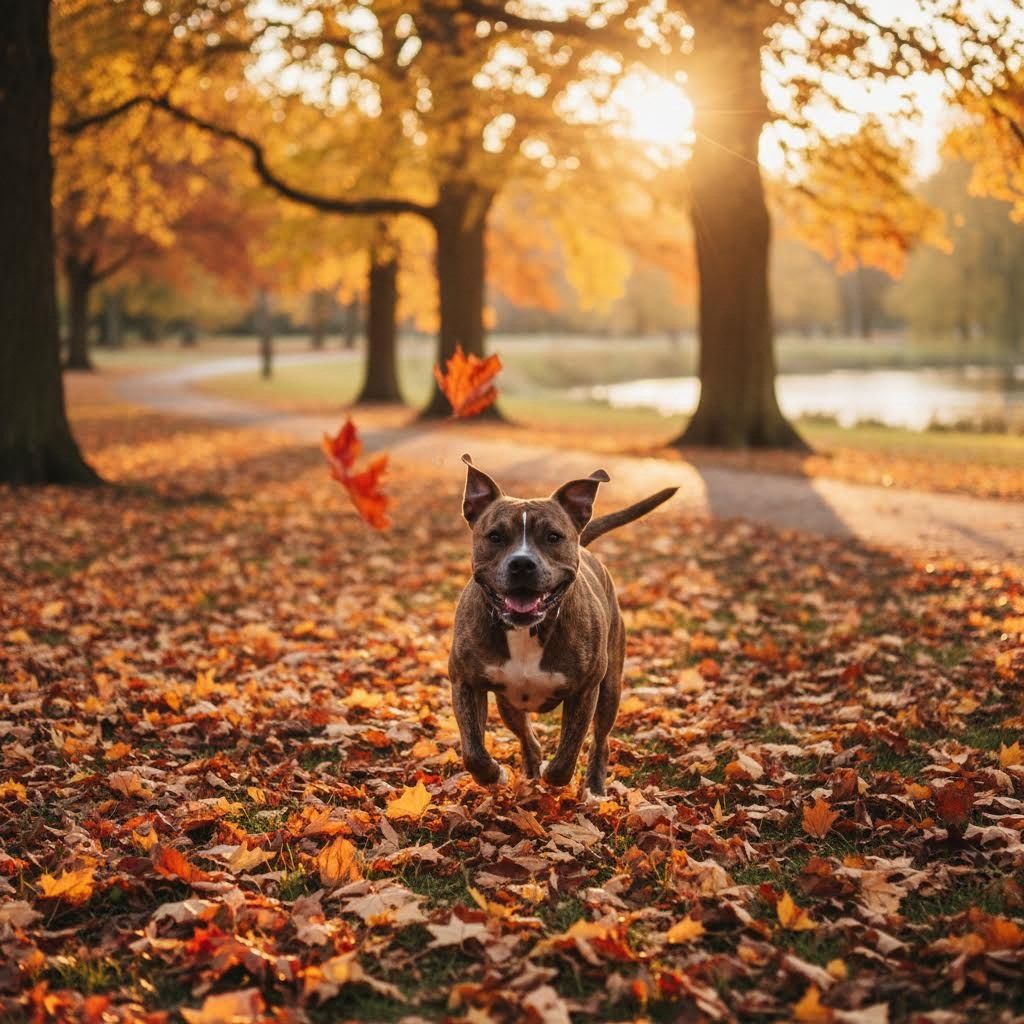
Recognizing the signs of autumn allergies in your pet is crucial for timely intervention and relief. Unlike humans who often sneeze, pets typically show their allergies through their skin. Common indicators include relentless itching, often leading to excessive scratching, licking, or chewing of their paws, flanks, and belly. You might also notice redness, inflammation, or even skin infections resulting from self-trauma. Recurring ear infections, with redness, discharge, or a foul odor, are also frequently linked to underlying allergies. In some cases, pets may experience hair loss, scabbing, or develop a dull, greasy coat. Observing these changes and understanding that persistent itching is not normal can help you advocate for your pet's comfort.
When to Seek Specialized Care
While your primary vet clinic is an excellent first point of contact for any health concerns, persistent or severe skin issues often benefit from the focused attention of a specialist. If your pet's autumn allergies are significantly impacting their quality of life, resisting initial treatments, or recurring year after year, it might be time to consider consulting a veterinary dermatology expert. A veterinary dermatology clinic in Omaha, especially one with a board-certified veterinary dermatology specialist, offers an unparalleled depth of knowledge and advanced diagnostic tools. This specialized approach ensures a thorough investigation into the root cause of your pet's discomfort, leading to more precise and effective treatment strategies.
Crafting a Collaborative Treatment Plan
Addressing pet allergies effectively often requires a comprehensive and collaborative approach. A specialist will work closely with you and your primary veterinarian to develop a tailored plan, which might include specific diagnostic tests like intradermal skin testing or blood allergy tests to identify exact triggers. Treatment options can range from targeted medications to address inflammation and itching, to specialized diets, immunotherapy, or environmental management strategies. The goal is not just to suppress symptoms but to provide long-term relief and improve your pet's overall well-being. This partnership model ensures that every aspect of your pet's health is considered, creating a sustainable solution that fits your family's lifestyle and budget.
Beyond the Itch: A Path to Lasting Comfort
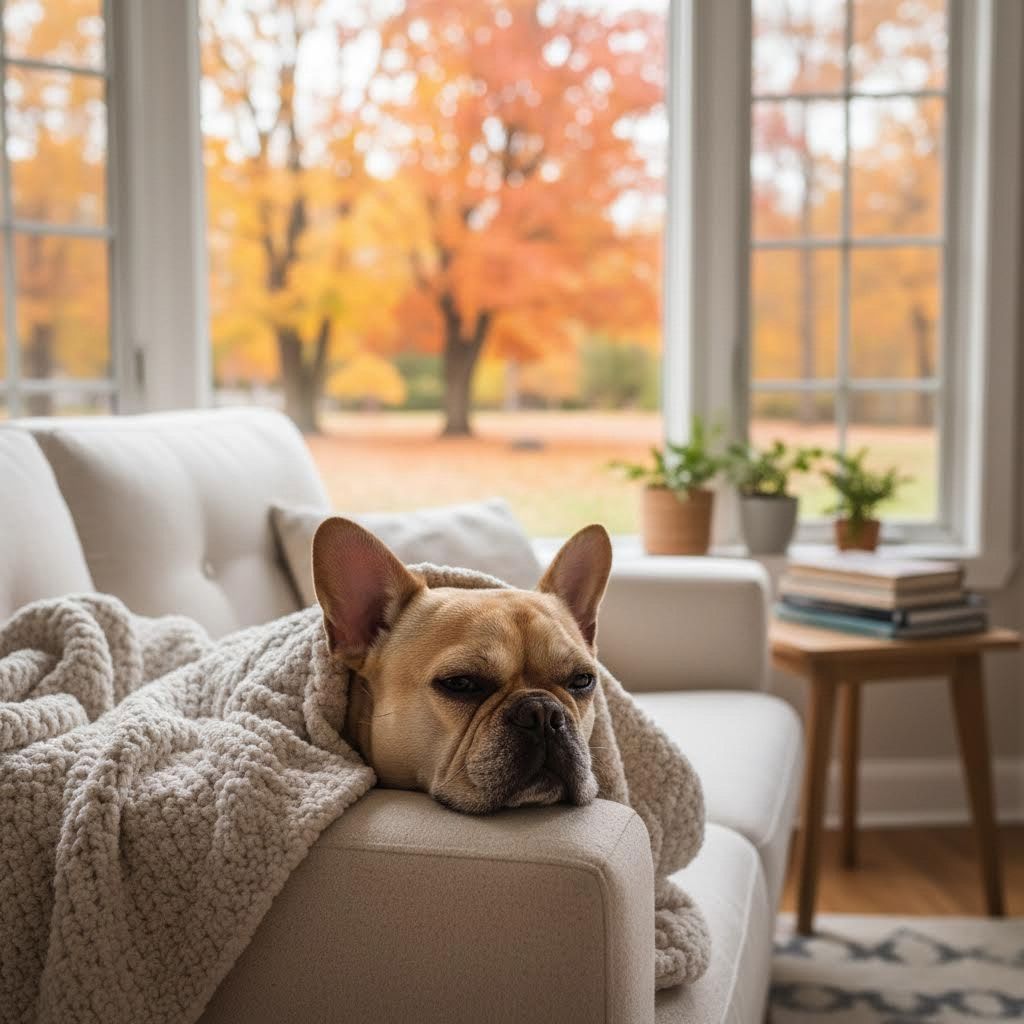
Autumn allergies don't have to mean months of discomfort for your pet. By understanding the causes and recognizing the signs, you're already taking a significant step toward their well-being. At Great Plains Veterinary Dermatology, we believe in a collaborative approach, working alongside you and your primary care vet to bring lasting relief and strengthen the unique bond you share. For more in-depth information on pet allergies and how we can partner with you for your pet's skin health, contact us to speak to a member of our team.