
Atopic dermatitis can be a frustrating condition for both pets and their owners. It's a chronic, allergic skin disease that causes intense itching and discomfort, significantly impacting your pet's quality of life. As loving pet parents, we want to see our furry friends happy and healthy. Understanding atopic dermatitis is the first step in managing this condition effectively. Finding the right veterinarian, vet clinic, or even a specialized vet dermatologist or dog allergist is essential to getting your pet back to feeling like themselves.

Understanding Atopic Dermatitis
Atopic dermatitis is primarily a genetic condition, meaning some breeds are more predisposed than others. It's an allergic reaction to common environmental allergens like pollen, dust mites, molds, and even certain food ingredients. These allergens trigger an immune response in the skin, leading to inflammation and intense itching. Pets with atopic dermatitis often exhibit symptoms such as:
Excessive scratching, licking, and chewing at their skin
Redness and inflammation, particularly around the face, ears, paws, and groin
Skin lesions, such as scabs, bumps, or oozing sores
Hair loss in affected areas
Secondary skin infections due to constant scratching

Diagnosis and Treatment Options
If you suspect your pet has atopic dermatitis, it's crucial to consult with your veterinarian. A thorough examination and diagnostic testing, such as allergy testing (skin or blood tests), can help identify the specific allergens triggering your pet's condition. While there's no cure for atopic dermatitis, various treatment options can effectively manage the symptoms and improve your pet's comfort:
Allergen avoidance: Reducing your pet's exposure to identified allergens can significantly reduce symptoms. This might involve using air purifiers, washing bedding frequently, or changing your pet's diet.
Topical therapies: Medicated shampoos, conditioners, and creams can help soothe irritated skin, reduce inflammation, and control secondary infections.
Oral medications: Antihistamines, corticosteroids, and other medications can help reduce itching and inflammation. However, these medications may have potential side effects, so your veterinarian will carefully monitor your pet.
Immunotherapy: Also known as allergy shots or sublingual immunotherapy, this involves gradually exposing your pet to small amounts of allergens to desensitize their immune system. This can be a long-term solution for managing atopic dermatitis.
Other therapies: Newer treatments, such as injectable monoclonal antibodies, can target specific molecules involved in the allergic response, providing relief from itching and inflammation.
The Role of a Vet Dermatologist
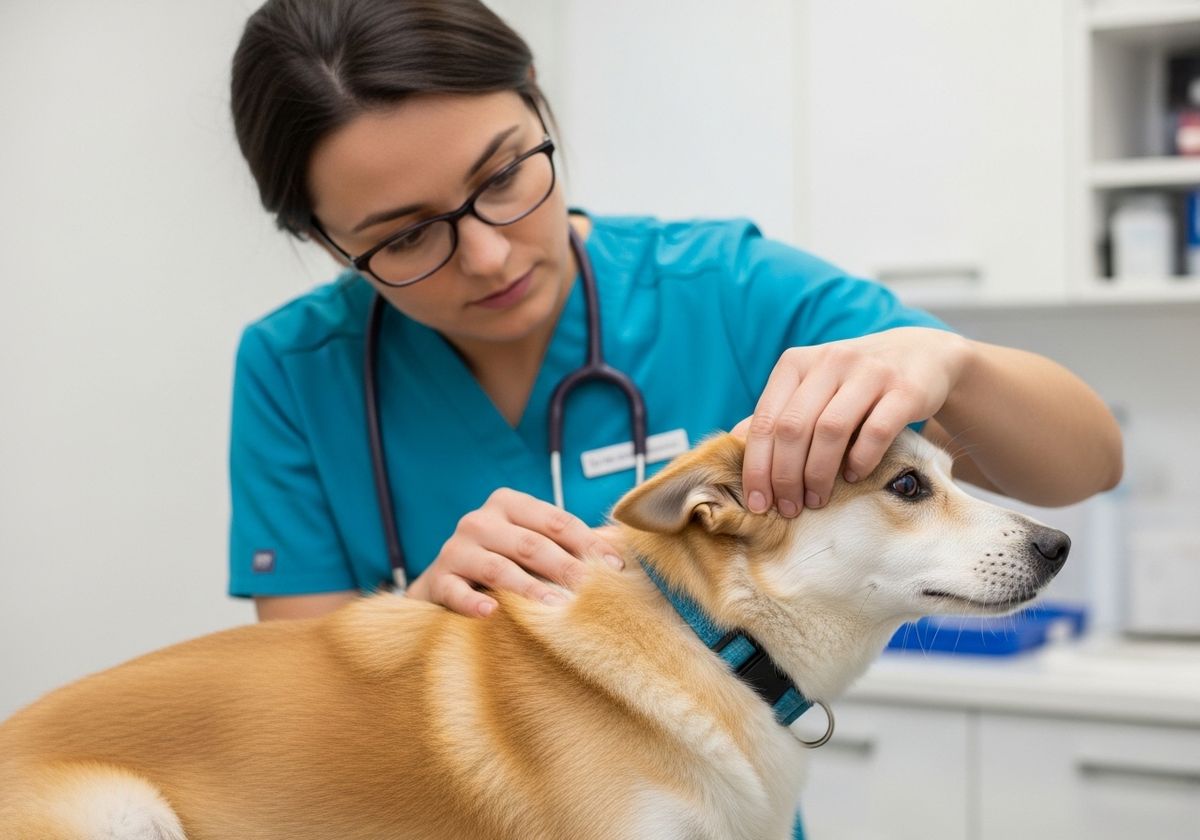
In some cases, managing atopic dermatitis can be challenging, especially if secondary infections or complications arise. A vet dermatologist has specialized training and expertise in diagnosing and treating skin conditions in animals. They can provide advanced diagnostic testing, develop customized treatment plans, and offer specialized therapies to help manage your pet's atopic dermatitis effectively. If your family vet suggests that you seek out a vet dermatologist or dog allergist, be sure to follow their advice for the betterment of your pet's health.
Atopic dermatitis is a complex condition that requires a comprehensive approach. By understanding the underlying causes, recognizing the symptoms, and working closely with your veterinarian, you can effectively manage your pet's atopic dermatitis and improve their quality of life. Remember, specialized care shouldn't feel out of reach. At Great Plains Veterinary Dermatology, founded in 2026, we're bringing veterinary dermatology back to its roots. Contact us today to learn more about how our expert care and heartland values, can help your furry friend find relief. Be sure to also check out our other blog posts to continue to learn more!