
As a devoted pet parent, it can be incredibly distressing to watch your beloved companion struggle with itching, scooting, or general discomfort. Pinpointing the exact cause of these symptoms, especially when they seem similar, can be a real challenge. At Great Plains Veterinary Dermatology, we understand this confusion, and we're here to help you understand the nuances between two common culprits: environmental allergies and anal gland issues.
Understanding Pet Allergies: More Than Just a Sneeze
Allergies in pets, much like in humans, are an overreaction of the immune system to otherwise harmless substances. These can manifest in various ways, but for many animals, especially dogs and cats, the primary signs involve the skin. You might observe excessive scratching, licking, chewing at paws, redness, recurring ear infections, hair loss, or even skin infections. These symptoms can be generalized across the body or concentrated in specific areas like the belly, groin, armpits, or feet. Common allergens include pollens, dust mites, mold spores, and even certain ingredients in their food. Recognizing these widespread skin symptoms is often the first clue that you might be dealing with an allergic reaction.

Unpacking Anal Gland Issues: A Source of Discomfort
Pet anal glands, two small sacs located just inside your pet's rectum, contain a distinctive, often foul-smelling liquid that is typically expressed during defecation. Their function is believed to be related to scent marking. However, these glands can become impacted, infected, or abscessed, leading to significant discomfort. When problems arise, common signs include scooting their rear end along the floor, excessive licking or chewing at the rear, difficulty defecating, or even an unpleasant odor. Your pet might also seem reluctant to sit, exhibit pain when touched near the tail, or chase their tail more frequently. While these symptoms are quite specific to the rear, the distress can sometimes lead to more generalized agitation.
Distinguishing Between the Two: Key Indicators
While both conditions can cause itching and discomfort, there are key differences in how they present. Anal gland issues tend to be localized and focus on the rear, often involving direct scooting or intense licking of that specific area. The onset might be sudden, and the relief sought by scooting is usually immediate. Allergies, on the other hand, frequently present with more widespread itching, affecting multiple body parts, and are often chronic or seasonal. While an allergic pet might lick their rear, it's typically part of a broader pattern of itching. However, it's crucial to note that severe allergies can sometimes lead to secondary skin infections around the anal area, which might then be confused with a primary anal gland problem. A dog with severe allergies might also try to relieve generalized itchiness by scooting, further blurring the lines.
When to Seek Expert Veterinary Dermatology Care
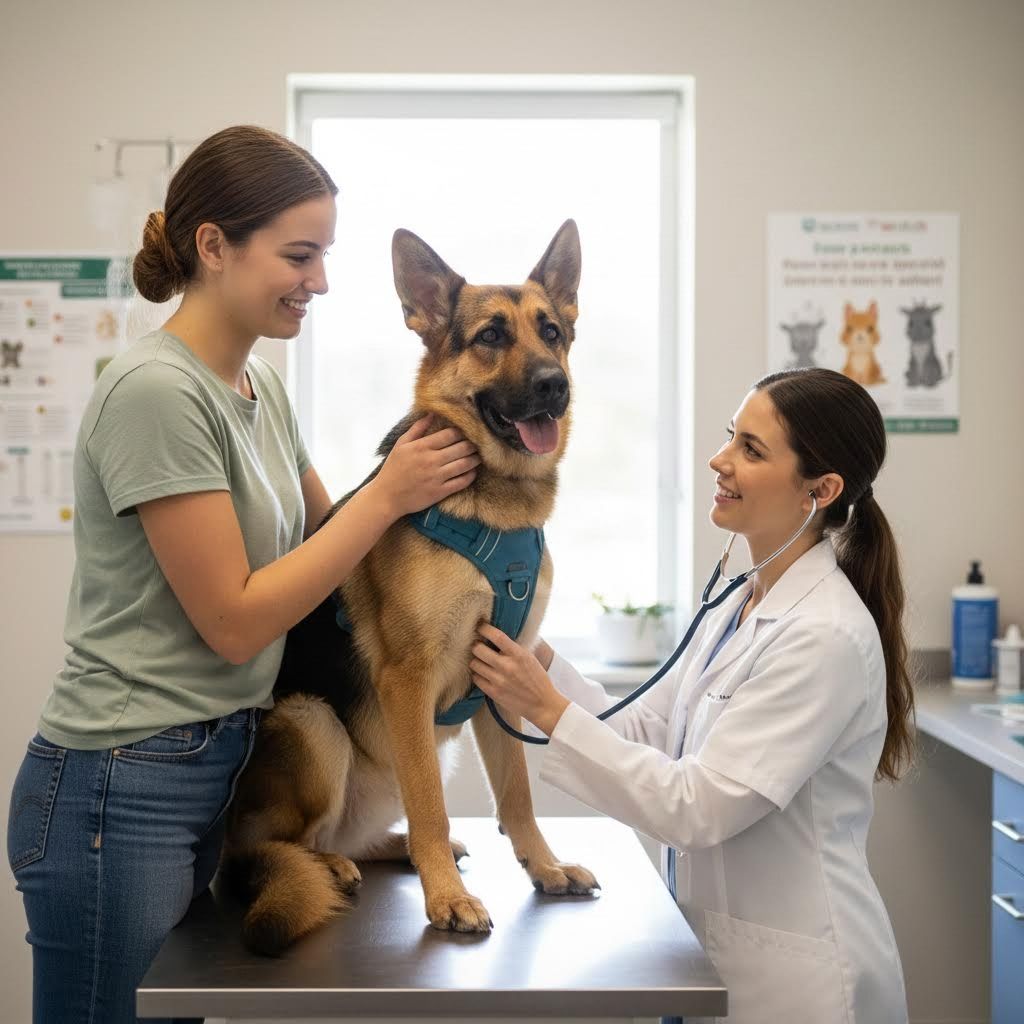
Because allergies and anal gland issues can sometimes overlap in their symptoms or even co-exist, accurate diagnosis is paramount for effective treatment. Observing the exact nature and location of your pet's discomfort, how long it has been occurring, and any other accompanying symptoms can provide valuable clues. If you notice persistent itching, skin changes, or any of the signs mentioned, it's always best to consult with a professional. A veterinarian can perform a thorough physical exam, express anal glands, and if necessary, recommend diagnostic tests for allergies, such as skin or blood tests, to uncover the root cause. This comprehensive approach ensures your pet receives the most appropriate and compassionate care.
Understanding whether your pet is battling allergies or an anal gland issue is the first step toward providing them lasting relief. While some symptoms may overlap, a closer look at the specifics can guide you toward the right solution. At Great Plains Veterinary Dermatology, our board-certified veterinary dermatology specialist is dedicated to accurately diagnosing and effectively treating these complex conditions. To learn more about how we can help your pet find comfort, connect with a member of our team today.