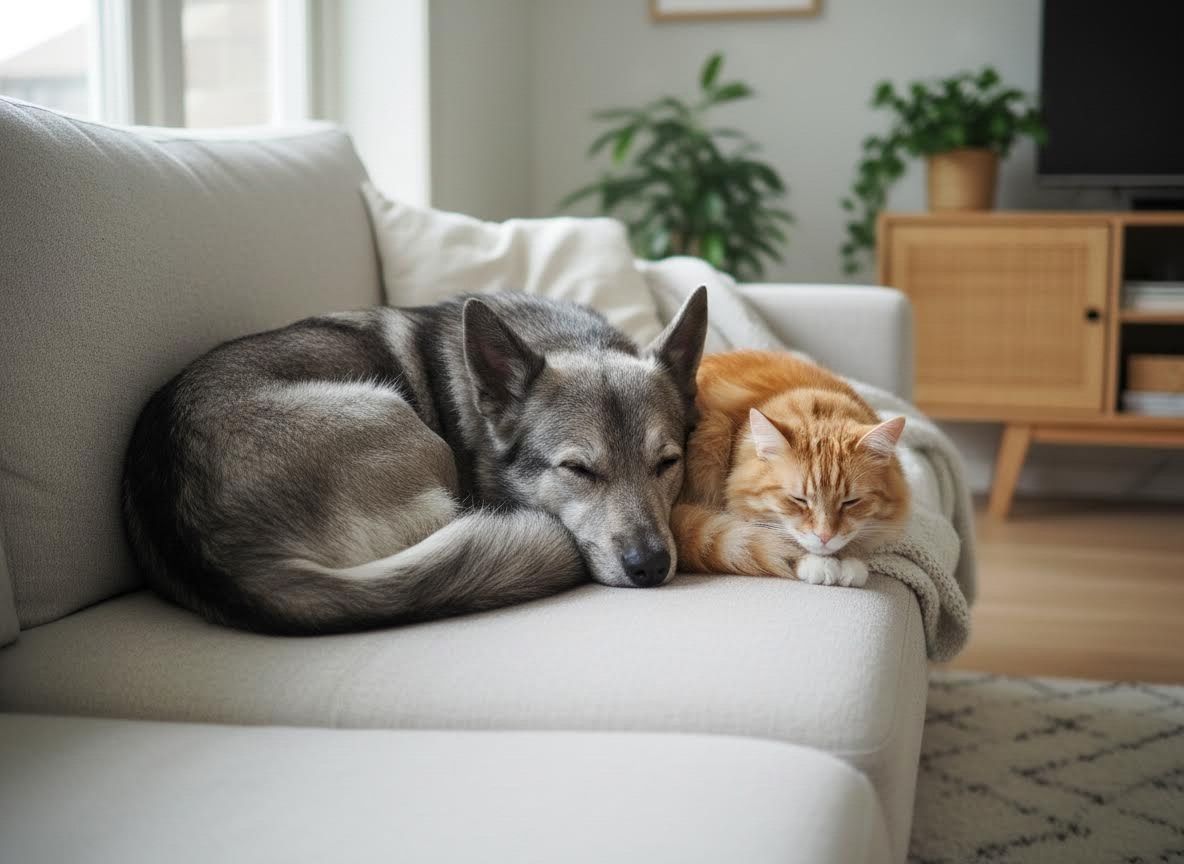
Many pet parents associate allergies with seasonal outdoor triggers, but often, the source of your pet's persistent itching and discomfort might be right inside your home. Just like people, pets can develop sensitivities to everyday indoor allergens, leading to frustrating and sometimes severe skin issues. At Great Plains Veterinary Dermatology, we understand how distressing it is to see your beloved companion suffer, and we're here to help you identify and address these hidden culprits.
The Hidden World of Indoor Allergens
Our homes are sanctuaries, but they can also harbor microscopic triggers that wreak havoc on sensitive pets. The most common indoor culprits include dust mites, tiny organisms that thrive in bedding, carpets, and upholstered furniture. Mold spores, often found in damp areas like bathrooms or basements, are another frequent allergen. Additionally, human and other animal dander, along with pollen tracked in from outside, can contribute significantly to a pet's allergic burden. Understanding these invisible irritants is the first step in bringing relief to your itchy companion.
Decoding Your Pet's Itchy Signals
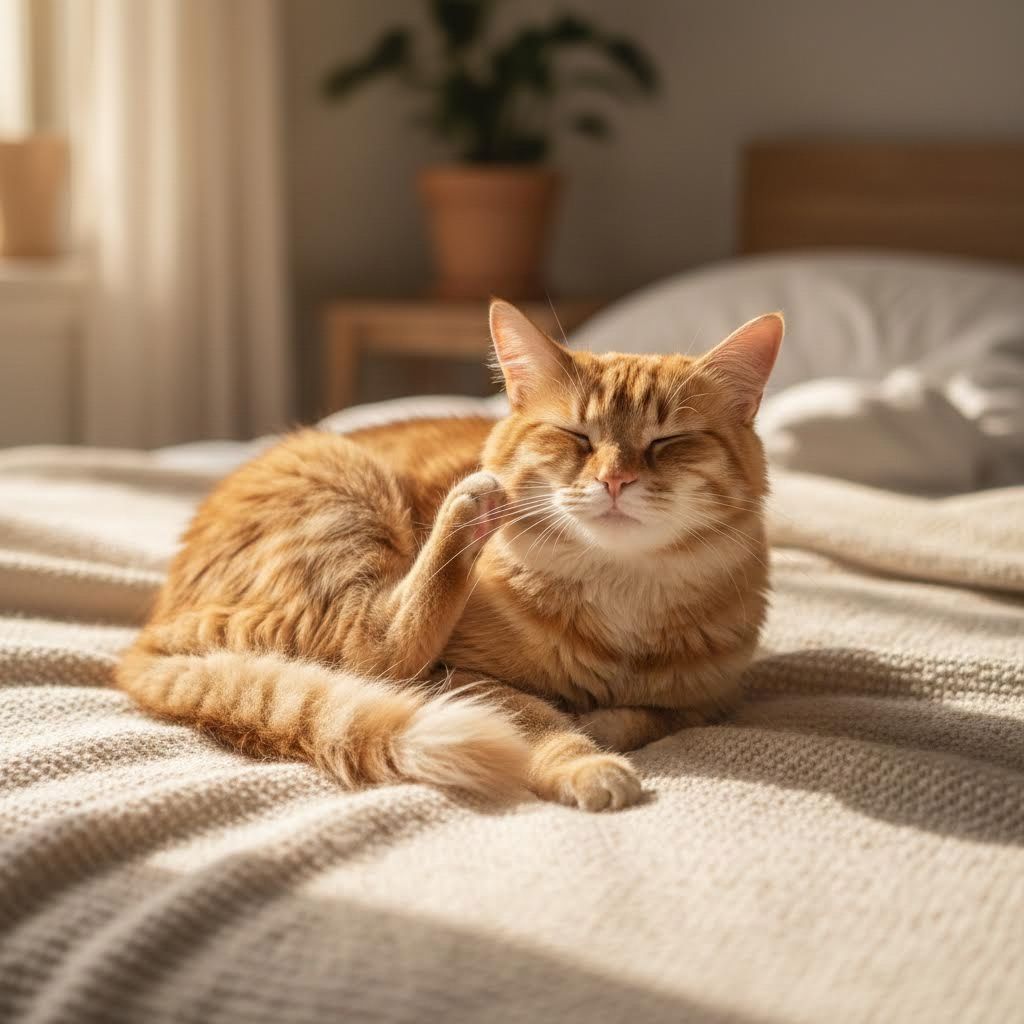
Unlike humans who might sneeze or get watery eyes, pets often manifest allergies through their skin. If your furry friend is constantly scratching, licking, or chewing at their paws, belly, or ears, these are significant red flags. Other signs can include recurrent ear infections, skin rashes, hair loss, or even a greasy or flaky coat. Sometimes, pets might rub their face on furniture or carpet, trying to alleviate an itch. These symptoms, while common, can be indicators that an underlying indoor allergen is causing significant discomfort and warrants investigation.
Practical Steps for a Less Allergenic Home
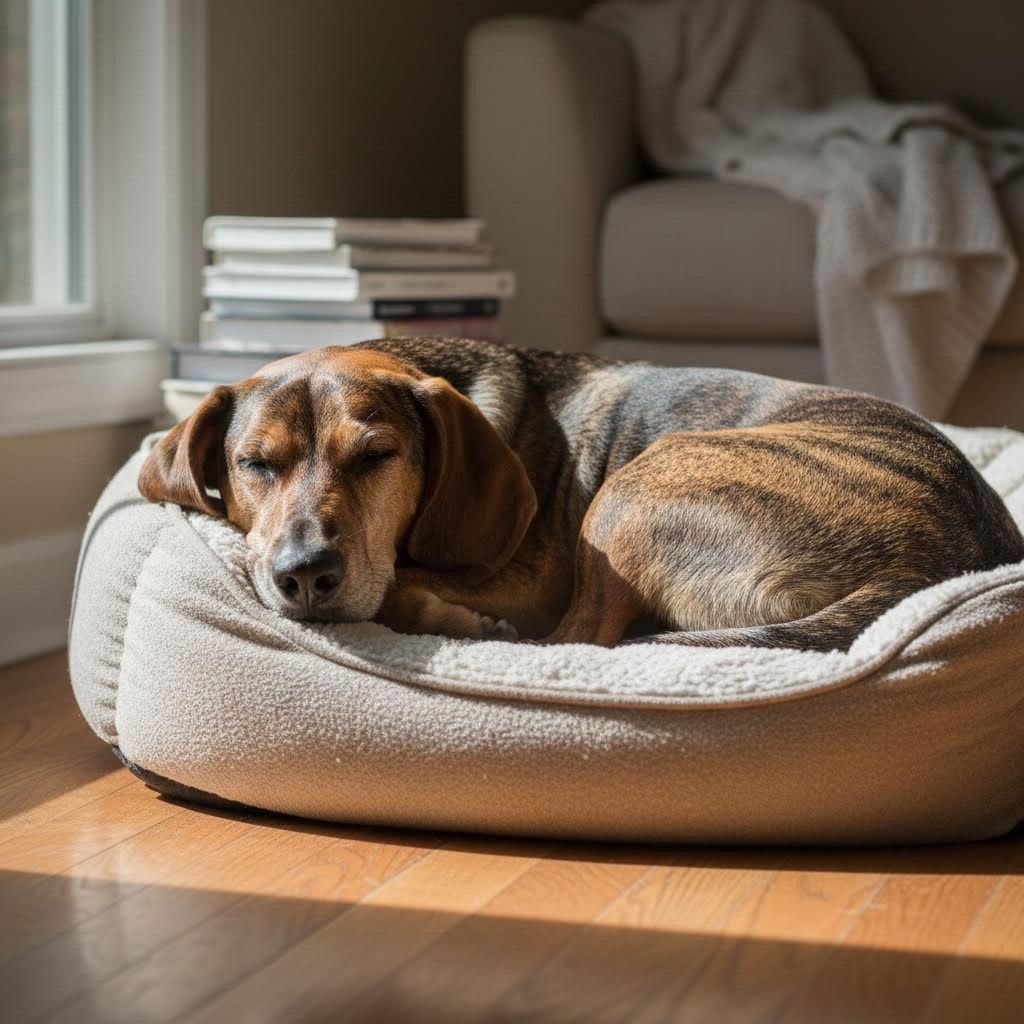
Creating a home environment that minimizes allergen exposure can significantly improve your pet's quality of life. Regular cleaning is key: vacuum frequently with a HEPA filter, wash pet bedding weekly in hot water, and consider allergen-proof covers for your own bedding if your pet sleeps with you. Controlling humidity levels can curb mold growth, and using air purifiers with HEPA filters can help capture airborne particles. While it's impossible to eliminate all allergens, these proactive steps, often in collaboration with your veterinarian, can make a noticeable difference in reducing your pet's allergic reactions.
When Specialized Care Becomes Essential
While at-home management can help, persistent or severe symptoms often require the expertise of a specialist. If your pet's itching isn't improving, or if you're struggling to pinpoint the cause, it's time to consider a consultation. Our dermatology animal clinic in Omaha offers advanced diagnostic tools and treatment strategies specifically for skin conditions. Seeking care from a highly experienced veterinary dermatology professional ensures your pet receives the most accurate diagnosis and a tailored treatment plan, moving beyond temporary fixes to lasting relief. Our commitment to transparent care means we work with you as a team every step of the way.
Recognizing and addressing indoor allergens is a crucial step toward alleviating your pet's chronic itching and discomfort. By working together to identify triggers and implement effective management strategies, we can significantly improve your pet's well-being and strengthen your special bond. If you suspect indoor allergens are affecting your beloved companion, or if you're seeking expert guidance for persistent skin issues, Great Plains Veterinary Dermatology is here to partner with you. Learn more about how our compassionate and collaborative approach to veterinary dermatology can bring lasting relief to your pet. Connect with our team today.