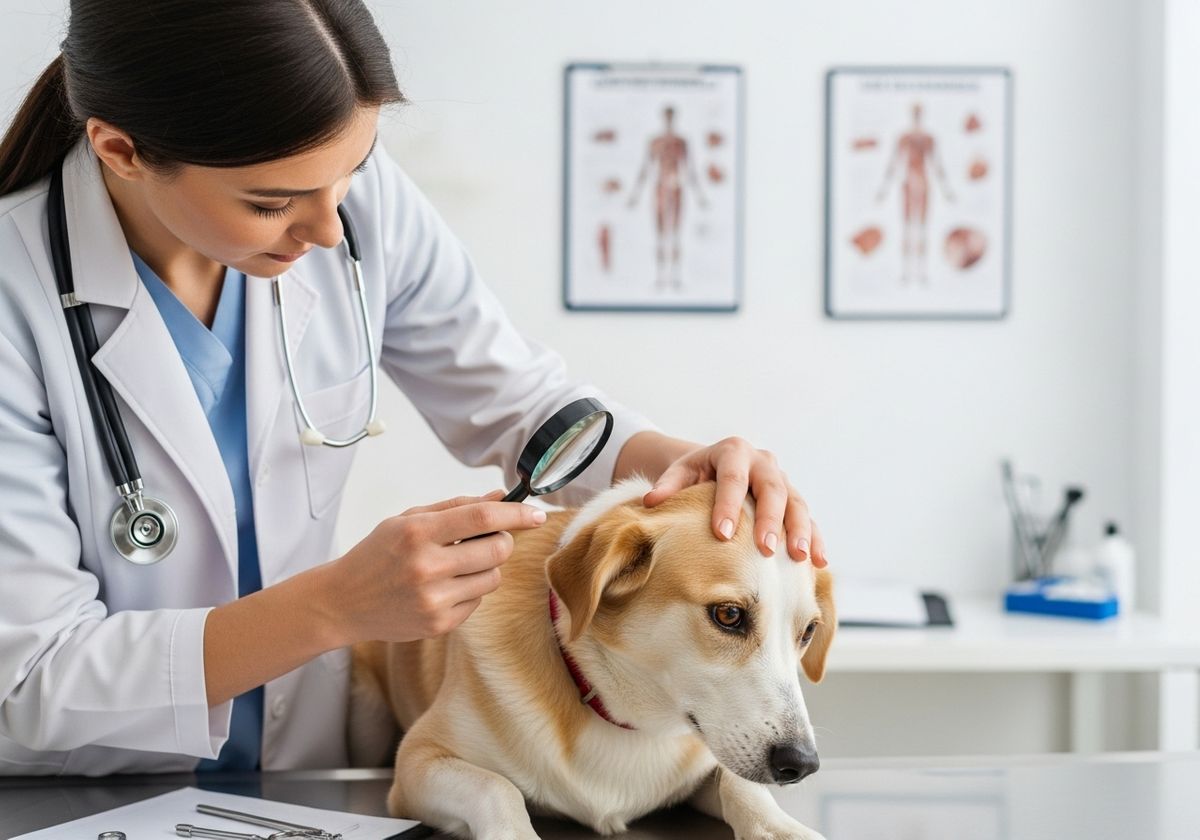
Is your furry friend constantly scratching, licking, or experiencing digestive issues? They might be suffering from allergies! As pet parents, it can be heartbreaking to watch our companions struggle with discomfort. But how do veterinarians pinpoint the cause of these mysterious allergies? Let's explore the diagnostic journey with Great Plains Veterinary Dermatology.
The Importance of a Thorough History
The first step in diagnosing pet allergies is a comprehensive history. Your veterinarian will ask detailed questions about your pet's diet, environment, and lifestyle. This includes:
Dietary History: What food does your pet eat? Have you recently changed their food? What treats and supplements do they receive?
Environmental Factors: Is your pet exposed to pollen, mold, dust mites, or other potential allergens?
Flea Control: Is your pet on a regular flea preventative? Flea allergies are a common cause of skin issues in pets.
Medical History: Are there any underlying medical conditions that could be contributing to the symptoms?
Physical Examination
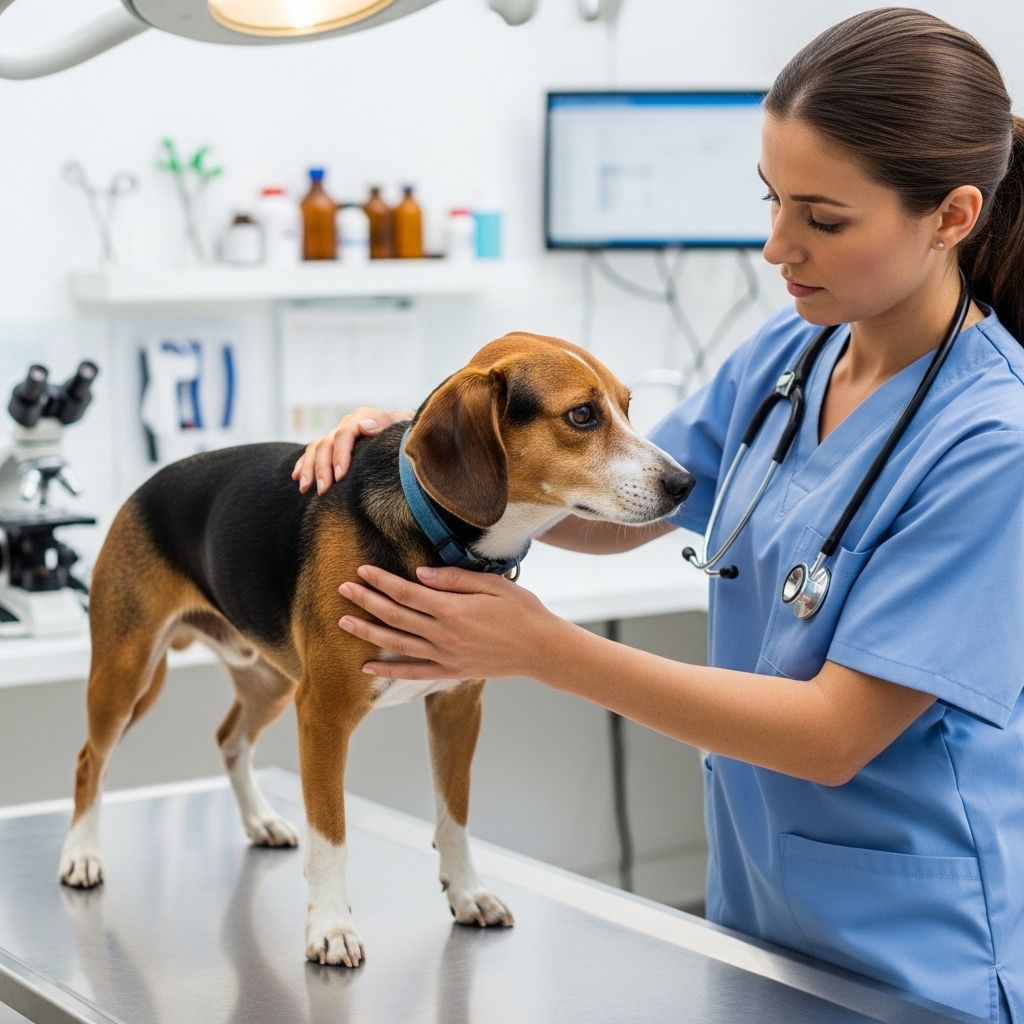
A thorough physical examination is crucial. Your veterinarian will look for telltale signs of allergies, such as:
Skin Lesions: Redness, inflammation, itching, and hair loss.
Ear Infections: Recurring ear infections can be a sign of underlying allergies.
Gastrointestinal Issues: Vomiting, diarrhea, or changes in appetite.
Diagnostic Testing
Based on the history and physical examination, your veterinarian may recommend further testing to identify the specific allergens causing your pet's symptoms. Common diagnostic tests include:
1. Food Elimination Diet
A food elimination diet is often the first step in diagnosing food allergies. This involves feeding your pet a novel protein and carbohydrate source for a period of 8-12 weeks. During this time, you must strictly avoid giving your pet any other foods, treats, or supplements.
2. Allergy Testing
Allergy testing can help identify specific environmental allergens, such as pollen, mold, and dust mites. There are two main types of allergy testing:
Intradermal Skin Testing: This involves injecting small amounts of allergens into the skin and observing the reaction.
Serum Allergy Testing: This involves testing a blood sample for antibodies to specific allergens.
It's important to note that allergy testing is not always accurate, and the results should be interpreted in conjunction with your pet's history and clinical signs.

Ruling Out Other Conditions
It's important to rule out other medical conditions that can mimic allergy symptoms, such as:
Parasitic Infections: Fleas, mites, and other parasites can cause intense itching and skin irritation.
Bacterial or Fungal Infections: These infections can occur secondary to allergies and exacerbate the symptoms.
Endocrine Disorders: Conditions like hypothyroidism can cause skin problems in dogs.
Skin tumors in dogs: Tumors can sometimes cause irritation that leads to excessive scratching, which could be confused with allergies.
Working with a Veterinary Dermatologist
In some cases, your veterinarian may refer you to a veterinary dermatologist, especially if your pet's allergies are severe or difficult to manage. A veterinary dermatologist has specialized training in diagnosing and treating skin conditions in animals. They can offer advanced diagnostic testing and treatment options, such as immunotherapy (allergy shots).
If your pet is dealing with allergies, remember that you're not alone. Identifying the specific allergens and developing a management plan can take time and patience. At Great Plains Veterinary Dermatology, we understand the challenges of managing pet allergies. Whether it's a dog allergist or a cat allergist you need, we're here to help you navigate the diagnostic process and find the best treatment options for your furry friend. Contact us today to learn more about how we can help your pet live a more comfortable, itch-free life!