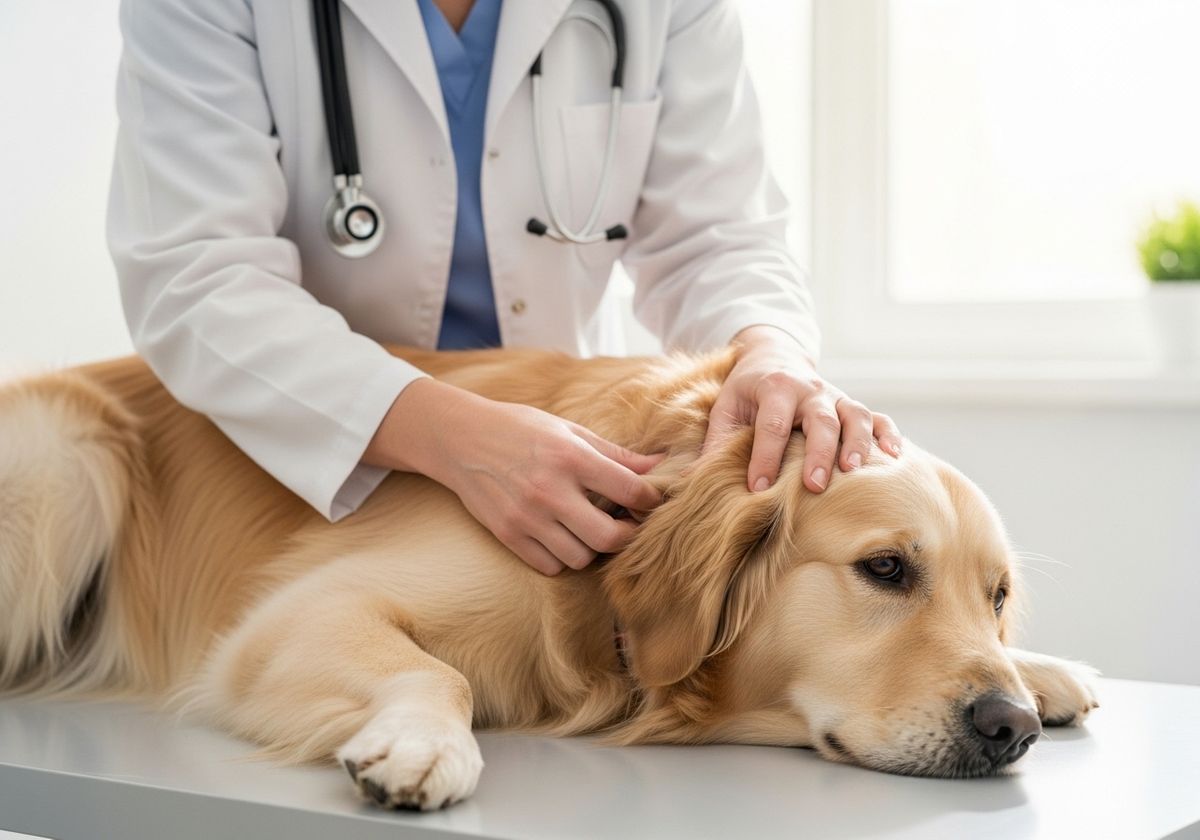
Your pet's skin is its largest organ, acting as a protective barrier against the outside world. Just like in humans, a proper diet plays a crucial role in maintaining healthy skin and a lustrous coat for your furry friends. What your pet eats directly impacts the condition of their skin, and imbalances or deficiencies can lead to various dermatological issues. As dedicated providers of veterinary care, especially for skin-related problems, it's part of our mission to educate pet owners about the importance of nutrition.
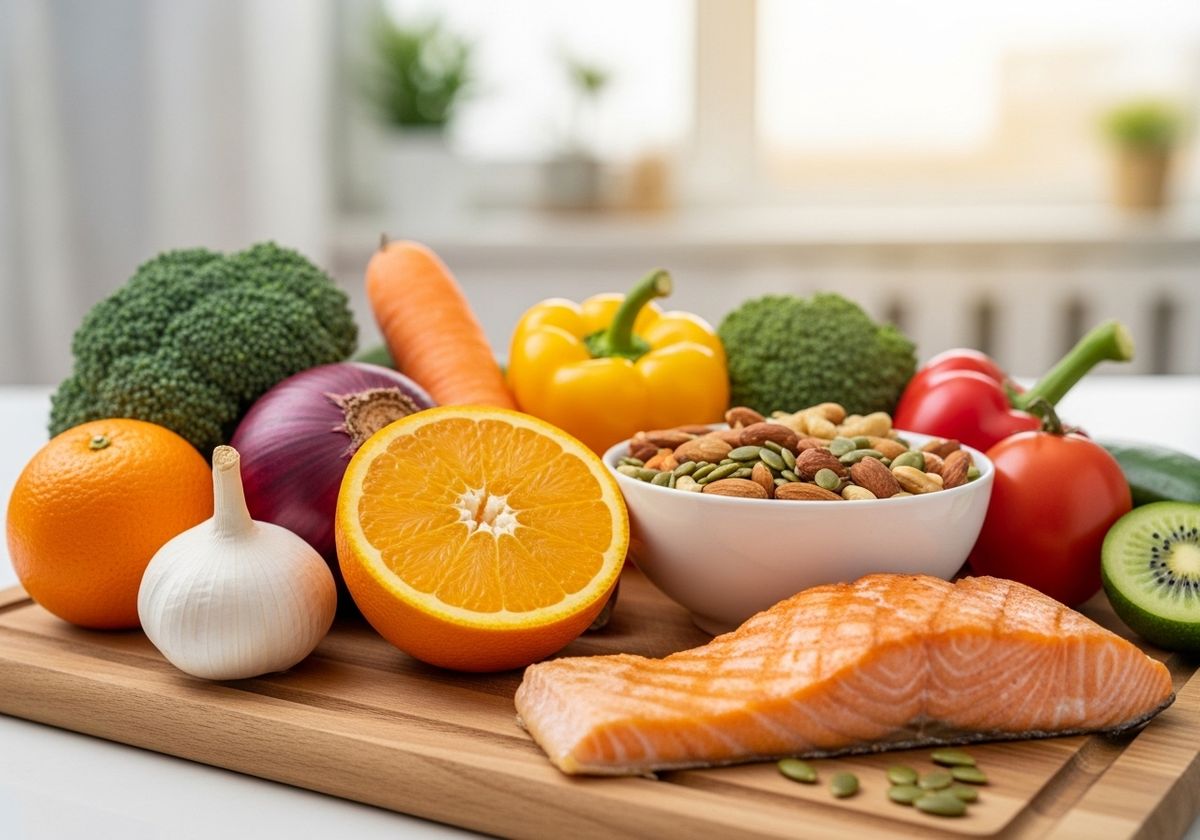
The Connection Between Diet and Skin Health
A balanced diet provides the essential nutrients needed for skin cell regeneration, hydration, and overall health. Key components include:
Proteins: Essential for building and repairing tissues, including skin cells. A lack of protein can lead to dry, flaky skin and a dull coat.
Fats: Omega-3 and omega-6 fatty acids are vital for maintaining skin barrier function and reducing inflammation. Deficiencies can result in itchy, irritated skin.
Vitamins and Minerals: Vitamins A, E, and zinc are crucial for skin health. They act as antioxidants, protecting skin cells from damage and supporting a healthy coat.
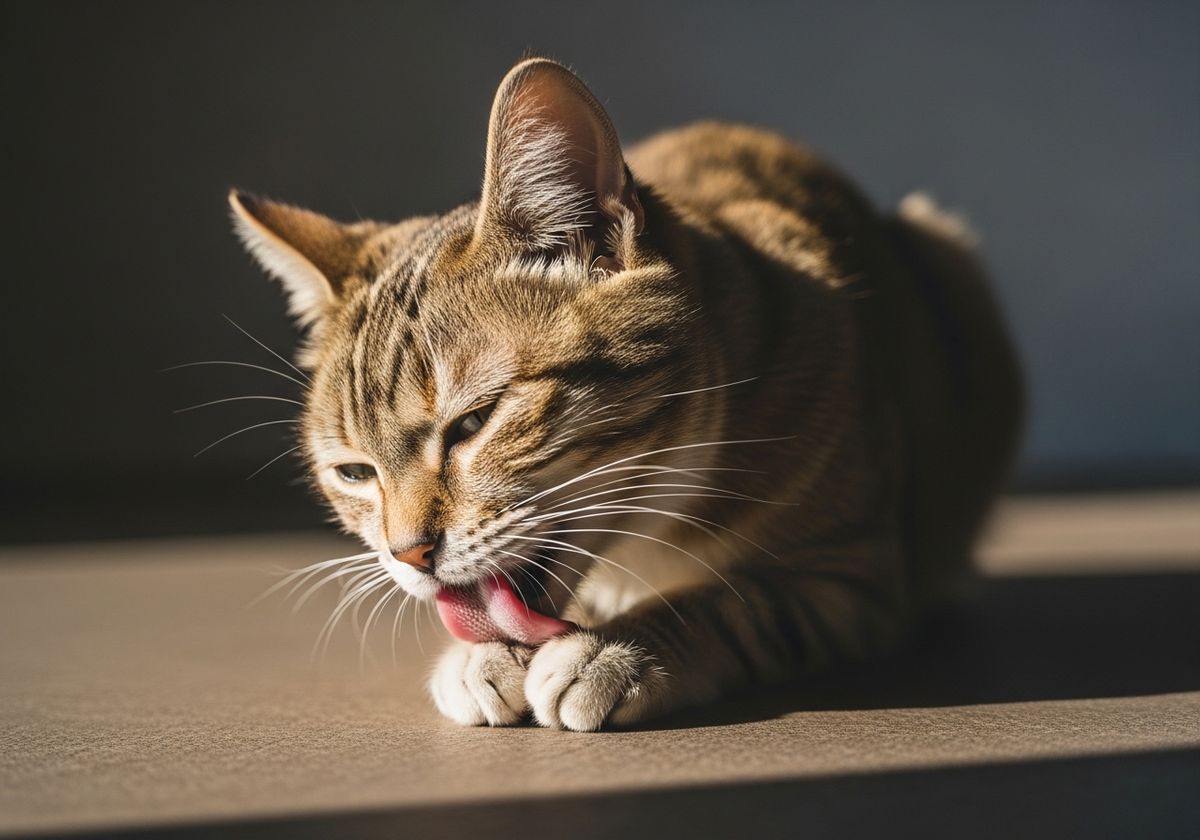
Common Skin Issues Related to Diet
Several skin problems can be linked to dietary deficiencies or sensitivities:
Allergies: Food allergies are a common cause of skin issues in pets, leading to itching, redness, and inflammation. Common allergens include beef, chicken, dairy, and wheat.
Dry, Flaky Skin: A lack of essential fatty acids or dehydration can cause dry, flaky skin and a dull coat.
Excessive Shedding: Poor nutrition can disrupt the hair growth cycle, leading to excessive shedding and a thin coat.
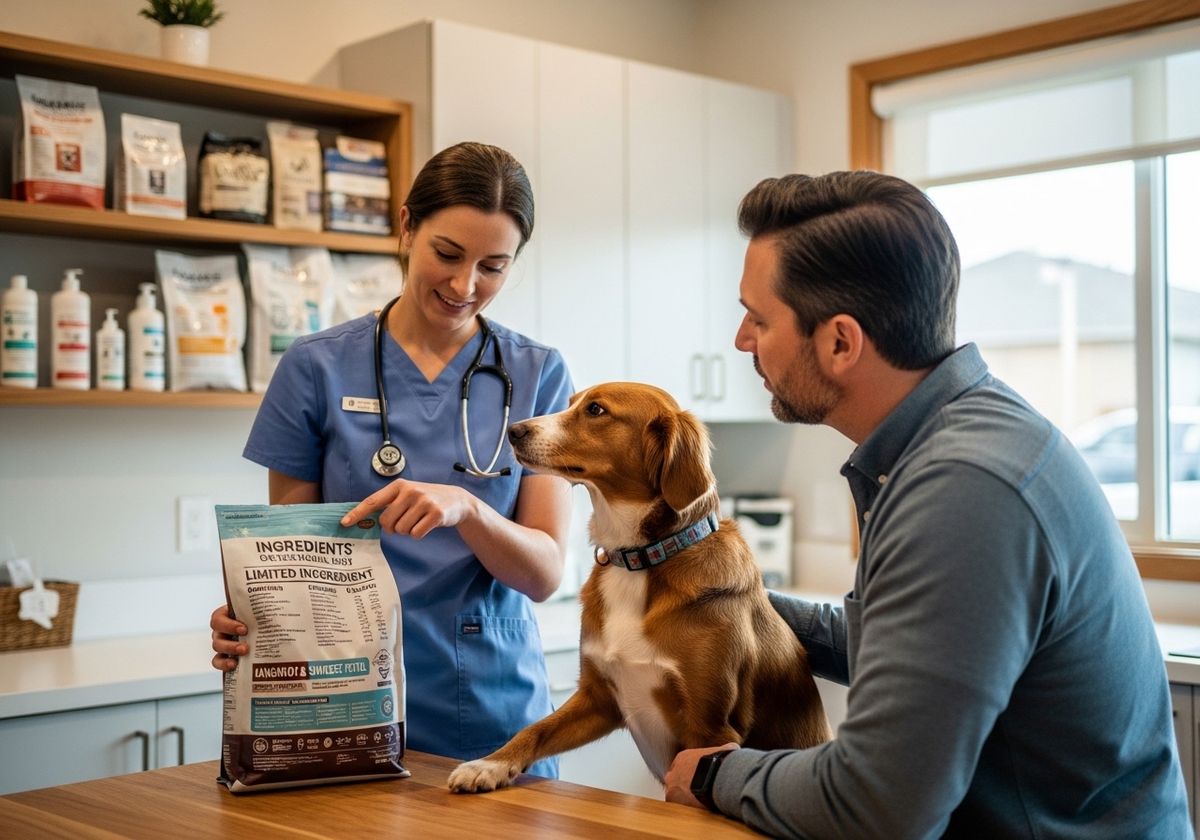
Choosing the Right Diet for Skin Health
Selecting the right food for your pet can significantly improve their skin health. Here are some tips:
Read Labels Carefully: Look for high-quality ingredients and avoid foods with excessive fillers or artificial additives.
Consider a Limited Ingredient Diet: If your pet has allergies, a limited ingredient diet with novel protein sources (such as fish or venison) can help identify and eliminate allergens. Consulting with a vet dermatologist or dog allergist may be helpful in these instances.
Consult with Your Veterinarian: Your veterinarian can recommend a diet tailored to your pet's specific needs and health conditions.
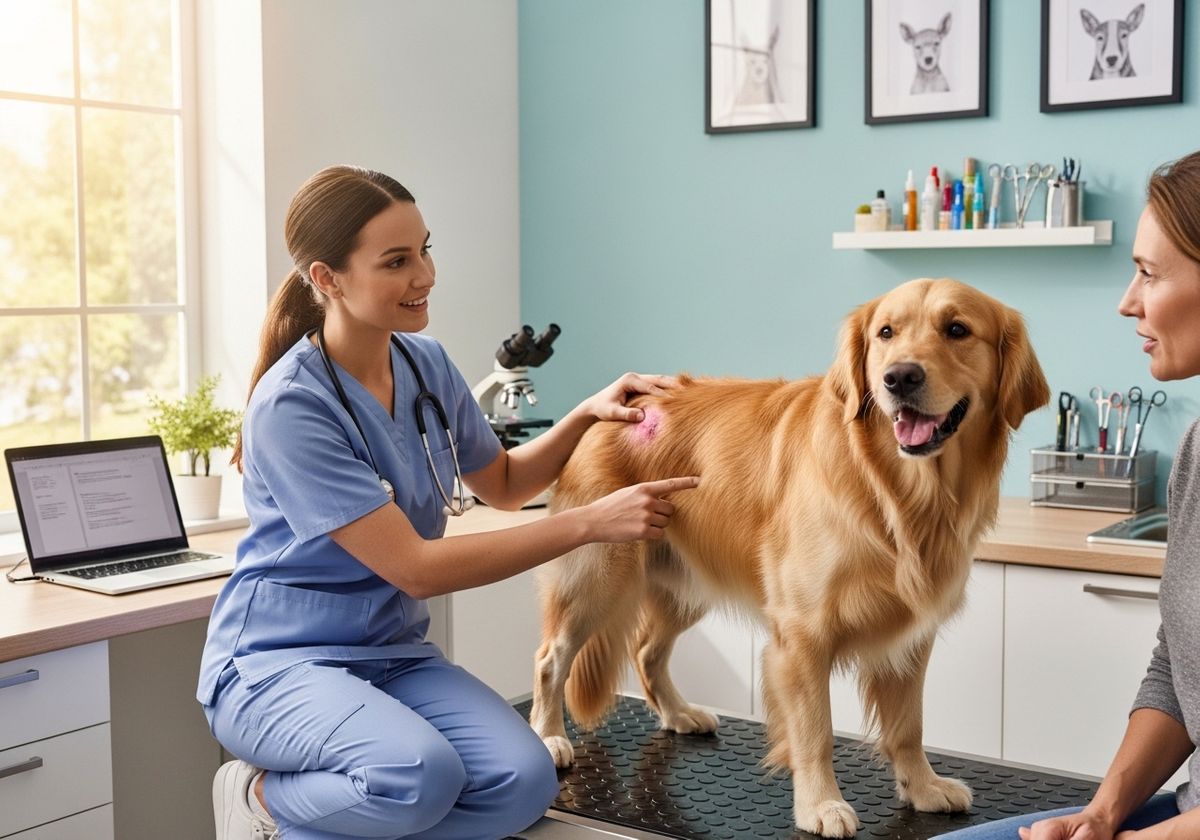
The Role of Veterinarians in Managing Diet-Related Skin Issues
Veterinarians play a vital role in diagnosing and managing skin issues related to diet. If your pet is experiencing skin problems, your vet clinic can:
Conduct Allergy Testing: To identify specific food allergens.
Recommend a Therapeutic Diet: Formulated to address specific skin conditions.
Provide Nutritional Counseling: To help you choose the best diet for your pet's overall health.
Ensuring your pet receives proper nutrition is essential for maintaining healthy skin and a vibrant coat. If you notice any skin issues, consult with your veterinarian to determine the underlying cause and develop an appropriate treatment plan. By working together, you can help your pet achieve optimal skin health and overall well-being.
At Great Plains Veterinary Dermatology, we understand the importance of a balanced diet in maintaining your pet's skin health. Our commitment to Expert care and Heartland Values drives us to offer comprehensive dermatological care, rooted in open communication, trust, integrity, and empathy. If your pet is facing skin issues, remember specialized care shouldn't feel out of reach. Contact us today to learn more about our services and how we can help your furry friend thrive! Visit our website or call us to schedule a consultation. As Omaha’s longest practicing board-certified veterinary dermatologist, we combine years of clinical expertise with a commitment to fair pricing and collaborative care.