
Is your furry friend constantly scratching, licking, or biting their skin? Itchy skin can be a nightmare for pets, leading to discomfort, irritation, and even secondary infections. At Great Plains Veterinary Dermatology, we understand how distressing it can be to watch our beloved companions suffer. Fortunately, there are several effective strategies to help relieve your pet's itchy skin and improve their quality of life.

1. Identify and Eliminate Allergens
Allergies are a common cause of itchy skin in pets. Just like humans, dogs and cats can be allergic to various substances in their environment or diet. Common allergens include pollen, dust mites, mold, certain food ingredients (such as beef, chicken, or wheat), and flea bites. Identifying and eliminating these allergens is crucial for managing your pet's allergies.
If you suspect your pet has environmental allergies, regular bathing with a hypoallergenic shampoo can help remove allergens from their skin and coat. You should also vacuum your home frequently and wash your pet's bedding regularly to minimize exposure to dust mites and other allergens. For food allergies, your veterinarian may recommend an elimination diet to identify the offending ingredient(s).
If your pet's allergies are severe or difficult to manage, consider consulting with a veterinary dermatologist. A veterinary dermatologist can perform allergy testing to pinpoint the specific allergens affecting your pet and develop a personalized treatment plan to manage their condition. If you are in the Omaha area, Great Plains Veterinary Dermatology is here to serve you and your pet!
2. Maintain a Healthy Diet
A balanced and nutritious diet is essential for maintaining healthy skin and coat. Look for high-quality pet food that contains essential fatty acids, such as omega-3 and omega-6, which can help reduce inflammation and improve skin barrier function. You can also supplement your pet's diet with fish oil or flaxseed oil to provide additional omega-3 fatty acids.
Avoid feeding your pet table scraps or processed foods, as these can contain ingredients that may trigger allergies or skin sensitivities. If you're unsure about the best diet for your pet, consult with your veterinarian for recommendations.
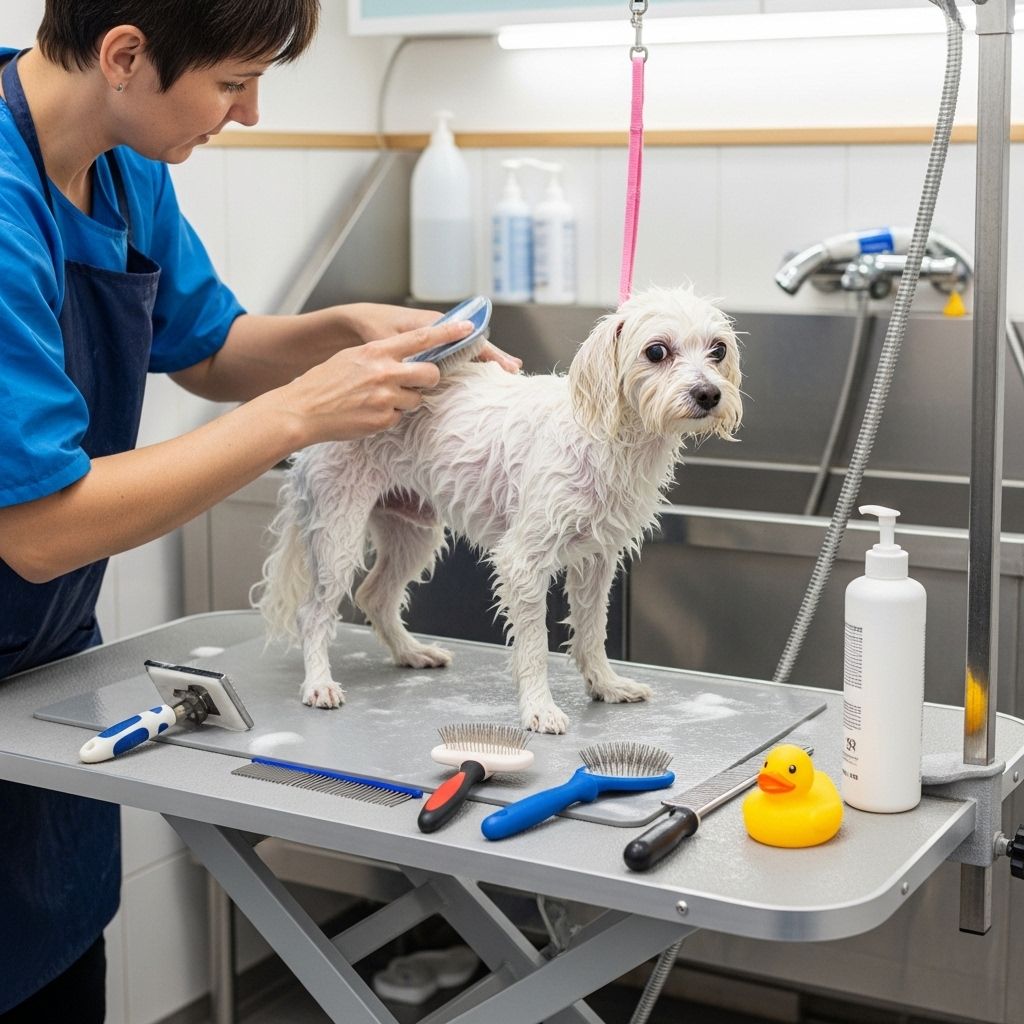
3. Practice Good Grooming
Regular grooming is essential for maintaining healthy skin and coat in pets. Brushing your pet regularly helps remove loose hair, dirt, and debris, which can irritate the skin. It also helps distribute natural oils throughout the coat, keeping it moisturized and healthy.
The frequency of grooming will depend on your pet's breed, coat type, and lifestyle. Long-haired breeds typically require daily brushing to prevent matting and tangles, while short-haired breeds may only need weekly brushing. When bathing your pet, use a gentle, hypoallergenic shampoo and avoid over-bathing, as this can strip the skin of its natural oils and lead to dryness and irritation.
4. Seek Veterinary Care
If your pet's itchy skin persists despite your best efforts, it's essential to seek veterinary care. Persistent scratching, licking, or biting can lead to secondary skin infections, such as bacterial or yeast infections, which require veterinary treatment. Additionally, some skin conditions, such as skin tumors on dogs, may cause itching and discomfort and require prompt diagnosis and treatment.
Your veterinarian can perform a thorough examination to determine the underlying cause of your pet's itchy skin and recommend appropriate treatment options. These may include topical medications, oral medications, allergy shots, or specialized shampoos and conditioners. In some cases, your veterinarian may refer you to a veterinary dermatologist for further evaluation and treatment.
Dealing with a pet's itchy skin can be frustrating, but with the right strategies and a little patience, you can help your furry friend find relief. Remember to identify and eliminate allergens, maintain a healthy diet, practice good grooming, and seek veterinary care when needed. At Great Plains Veterinary Dermatology, we're passionate about providing expert care with heartland values. If your pet is struggling with persistent skin issues, don't hesitate to reach out for a consultation. Together, we can develop a personalized treatment plan to help your pet live a happier, more comfortable life. Contact us today to learn more about our services and how we can help!