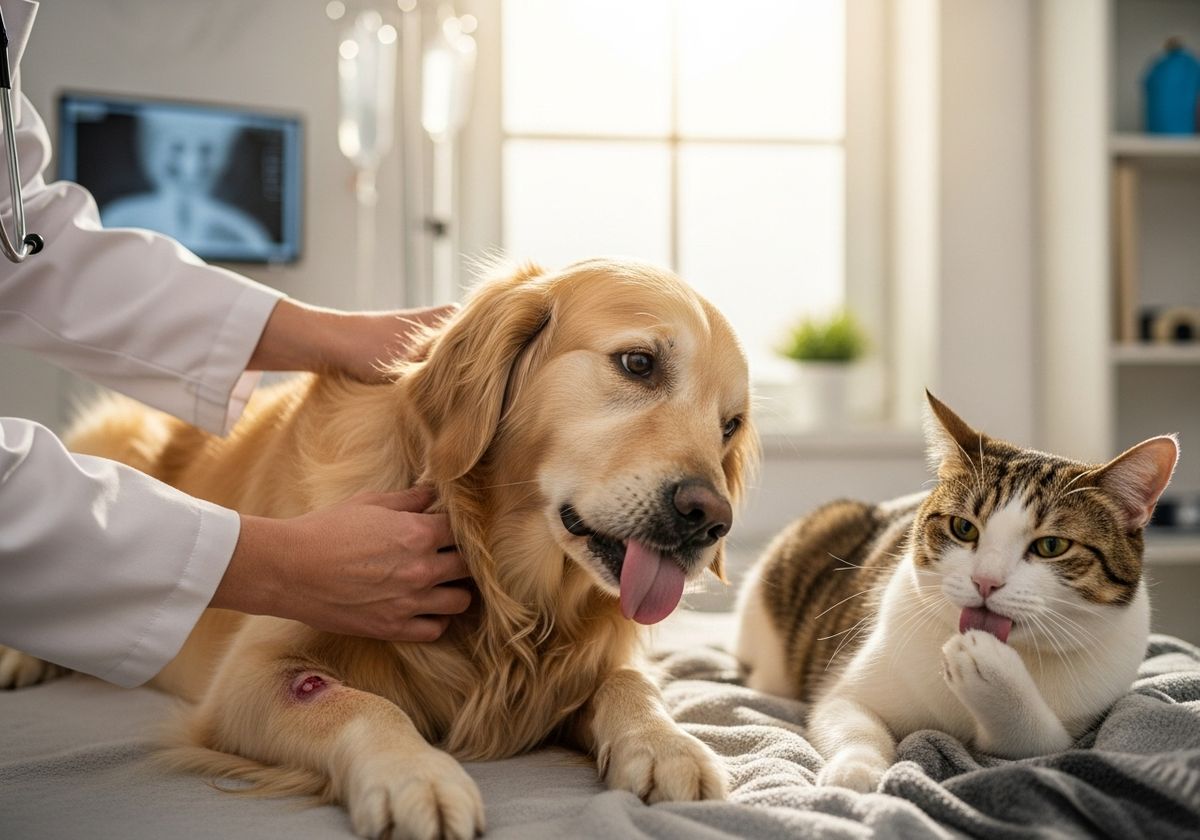
At Great Plains Veterinary Dermatology, we're always on the lookout for anything that might threaten our furry family members' health. Skin cancer is a concern for pets, just as it is for humans. Early detection is key, so let's discuss four warning signs of skin cancer in pets that should prompt a visit to your veterinarian, or better yet, a veterinary dermatologist.
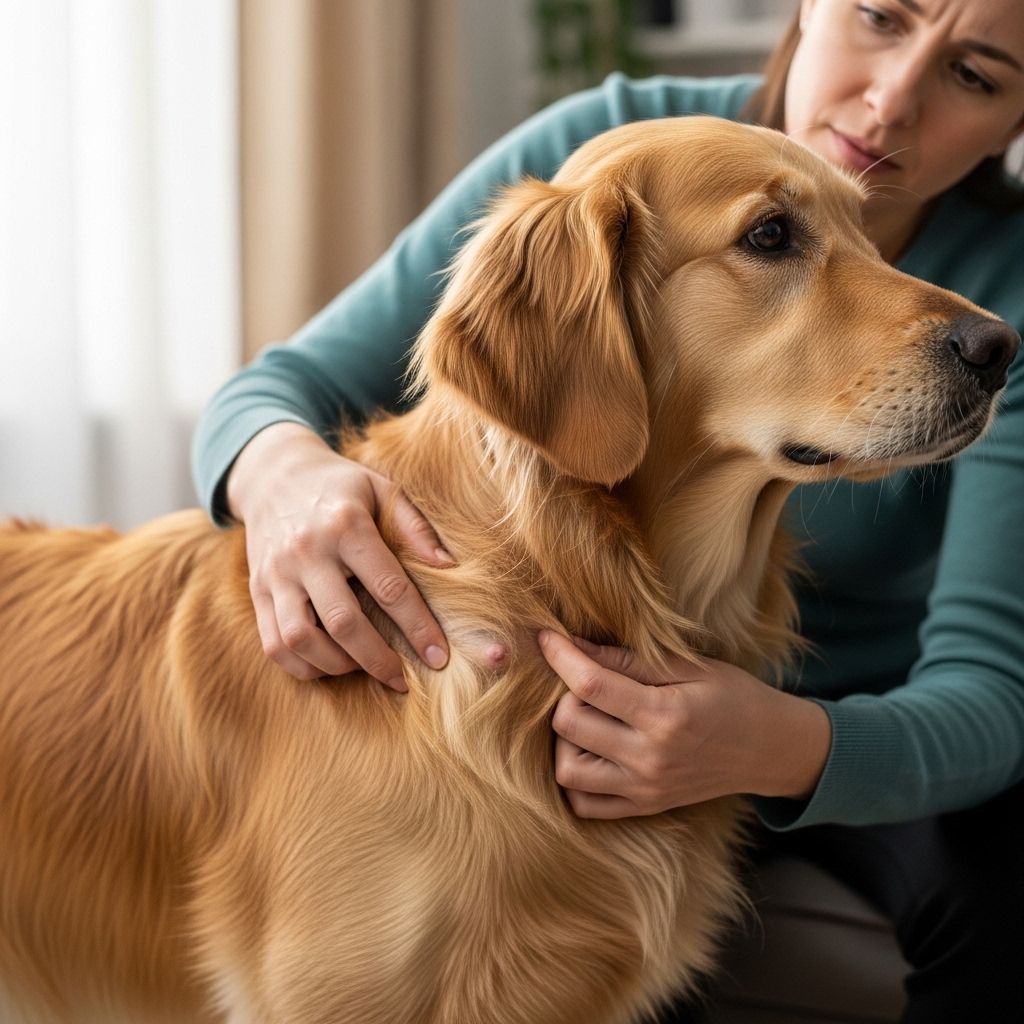
1. New or Changing Lumps
Regularly petting and grooming your dog or cat provides an opportunity to feel for any new or changing lumps, bumps, or masses. While not all lumps are cancerous, any new growth should be evaluated by a professional. Keep an eye on existing lumps for changes in size, shape, color, or texture.
2. Non-Healing Sores
A sore that refuses to heal, even with standard treatment, can be a sign of skin cancer. These sores may bleed, ooze, or scab over, and they often persist for weeks or months without improvement. If your pet has a wound that isn't healing as expected, it's time to consult with a veterinarian.
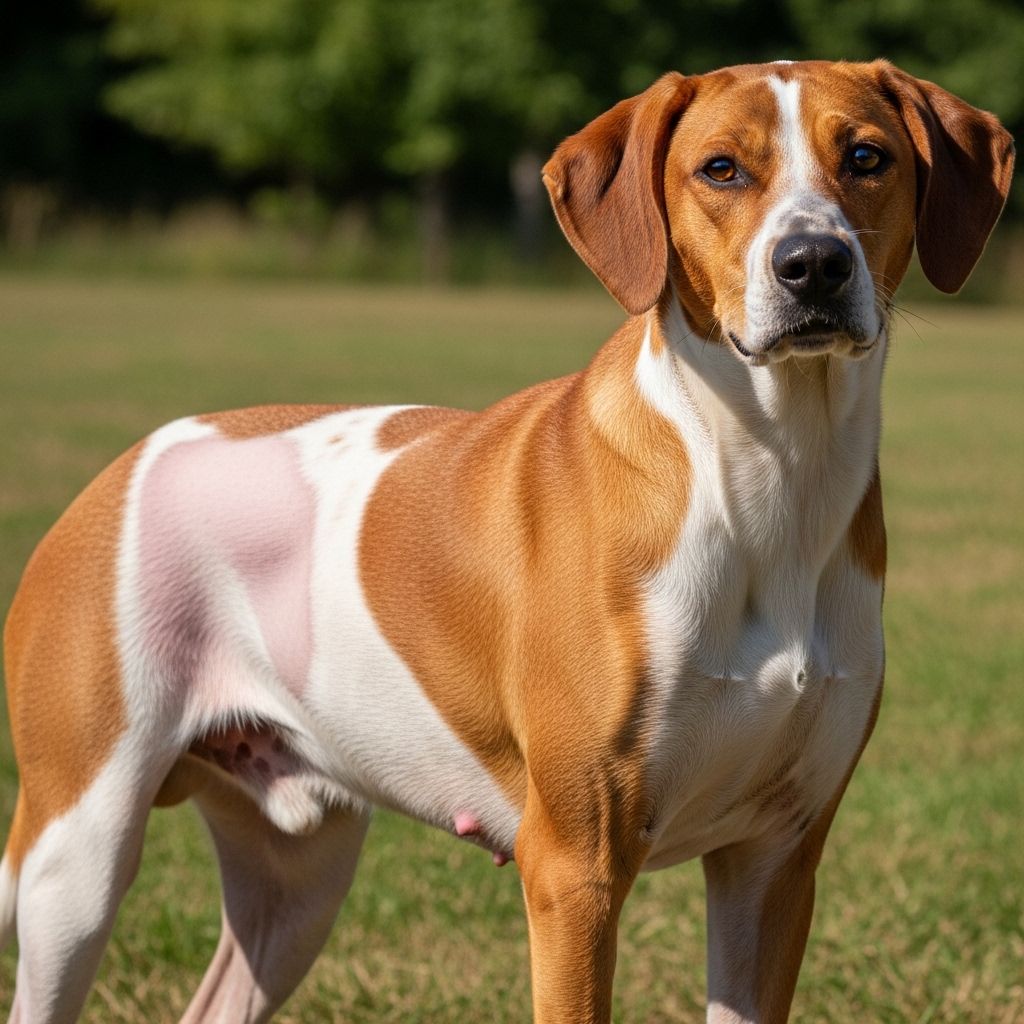
3. Changes in Skin Pigmentation
Be alert to changes in your pet's skin or coat color. This could manifest as areas of darkening skin or even pigment loss. These changes can indicate underlying skin abnormalities, including cancer.
4. Persistent Itching or Licking
While itching and licking are common in pets with allergies or skin irritations, persistent and localized scratching or licking at a specific spot warrants investigation. This behavior could indicate discomfort caused by a skin tumor on dogs or cats.
Skin cancer can be a scary diagnosis, but with early detection and treatment, many pets can live long and happy lives. If you notice any of these warning signs, don't hesitate to seek expert care. At Great Plains Veterinary Dermatology, we understand the unique bond you share with your pet. As Omaha’s only board-certified veterinary dermatologist, we combine expertise with a commitment to accessible, community-focused care. If you're concerned about your pet's skin health, please reach out to schedule a consultation. We're here to partner with you in ensuring your pet receives the best possible dermatological care. Learn more about common skin conditions in pets on our website!