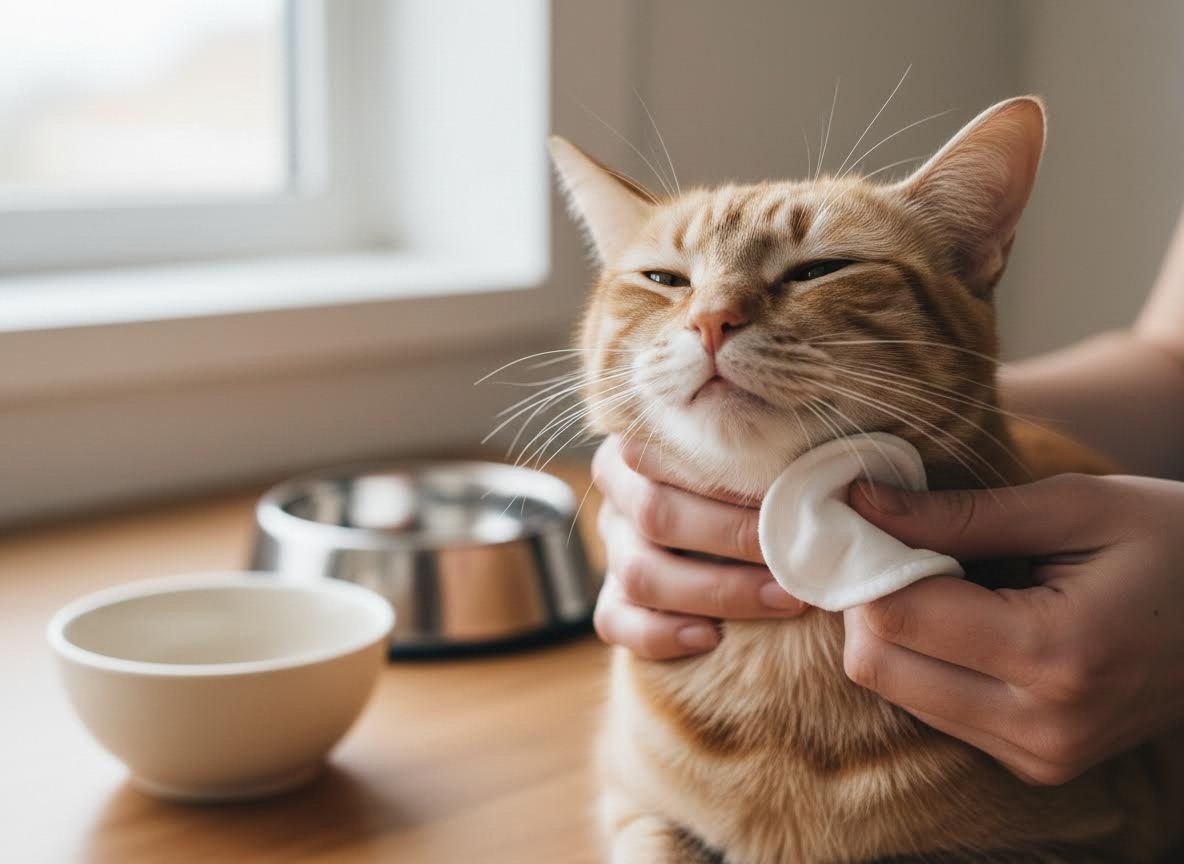
It can be alarming to discover an array of small, dark bumps or blackheads on your beloved cat’s chin. This common feline skin condition, known as feline acne, affects many cats, causing discomfort and concern for their human companions. Understanding what causes these persistent chin bumps and how to effectively manage them is key to your cat's comfort and health. At Great Plains Veterinary Dermatology, we believe in open communication and equipping pet parents with the knowledge to care for their furry family members.
Understanding Feline Acne
Feline acne is a condition characterized by the formation of blackheads (comedones), pimples, or even pustules, primarily on a cat’s chin and sometimes on the lips. Similar to human acne, it occurs when hair follicles become clogged. In cats, this blockage is usually due to an overproduction of keratin, a protein that forms skin, hair, and nails. When these follicles get clogged, they can become inflamed and infected with bacteria or yeast, leading to more severe lesions, swelling, and itchiness. While some cats experience mild, intermittent flare-ups, others might suffer from chronic or severe cases that require more intensive intervention.
Common Triggers for Chin Bumps
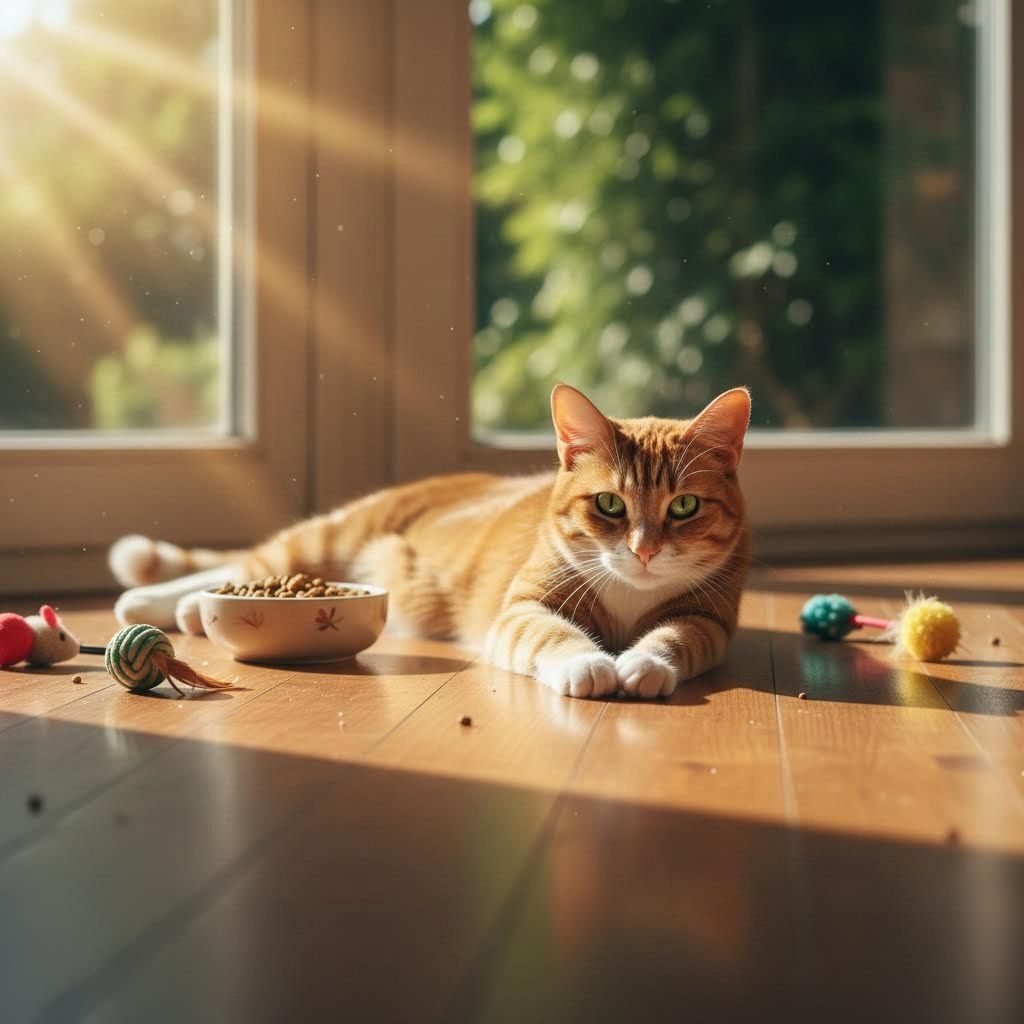
Several factors can contribute to the development or worsening of feline acne, turning a simple blockage into an irritating problem. Stress is a significant contributor to many feline health issues, including skin conditions. Poor grooming habits, whether due to age, arthritis, or other health issues, can prevent cats from adequately cleaning their chin. Environmental factors often play a role; for example, plastic food and water bowls can harbor bacteria and irritants, potentially triggering chin inflammation. Allergic reactions to food or environmental allergens, as well as underlying health conditions that affect the immune system or skin health, can also predispose a cat to developing acne. Identifying and addressing these triggers is a crucial step in managing the condition.
When to Seek Expert Veterinary Care
While mild feline acne might resolve with basic home care, it's essential to recognize when professional help is needed. If you notice persistent redness, swelling, oozing sores, hair loss around the chin, or if your cat seems to be in pain or excessively scratching the area, it's time to consult a veterinarian. A general vet clinic can often diagnose and treat initial cases, but for chronic, severe, or recurrent feline acne, a referral to a vet dermatologist may be necessary. A board-certified veterinary dermatology specialist has advanced training to accurately diagnose complex skin conditions and develop tailored treatment plans. They might perform diagnostic tests such as skin scrapes, fungal cultures, or biopsies to rule out other conditions that mimic acne, ensuring your cat receives the most appropriate and effective care.
Collaborative Care and Prevention Strategies
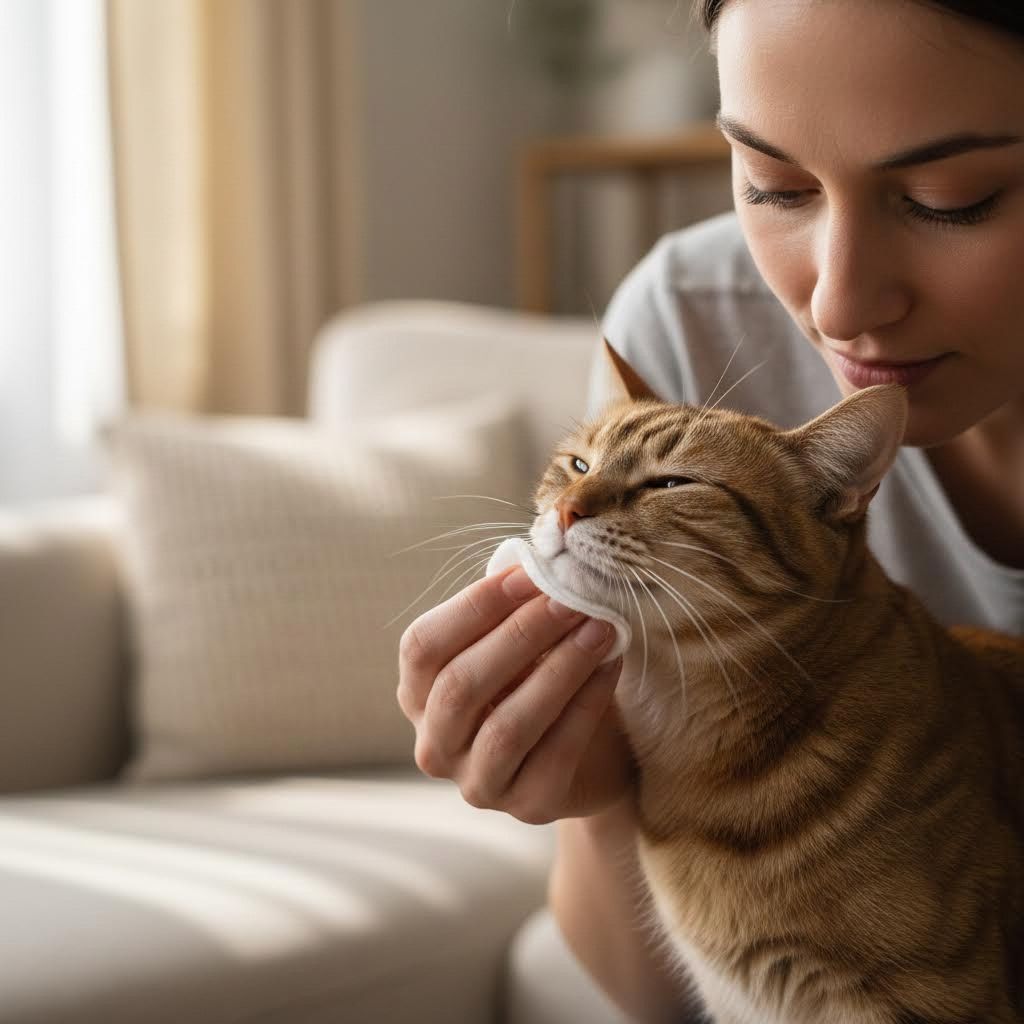
Working with your veterinarian is a partnership, especially when dealing with chronic conditions like feline acne. Your input on your cat's behavior and environment is invaluable. Treatment might involve topical medications like antibacterial washes, special shampoos, or ointments, and in some cases, oral antibiotics or anti-inflammatory drugs. For prevention, consider switching from plastic bowls to stainless steel or ceramic, which are easier to keep clean and less likely to harbor bacteria. Regularly cleaning your cat's chin with a mild, veterinarian-approved antiseptic wipe can also help. Maintaining a consistent routine and a low-stress environment for your cat can contribute significantly to preventing flare-ups.
Dealing with feline acne can be a journey, but understanding its causes and knowing when to seek expert guidance are the first steps toward your cat's comfort. For persistent or severe skin issues, remember that specialized veterinary dermatology care can make a significant difference in your pet's quality of life. If your cat's chin bumps are causing concern, we encourage you to learn more about advanced skin care options available at our dedicated dermatologist animal clinic in Omaha. Contact us today.