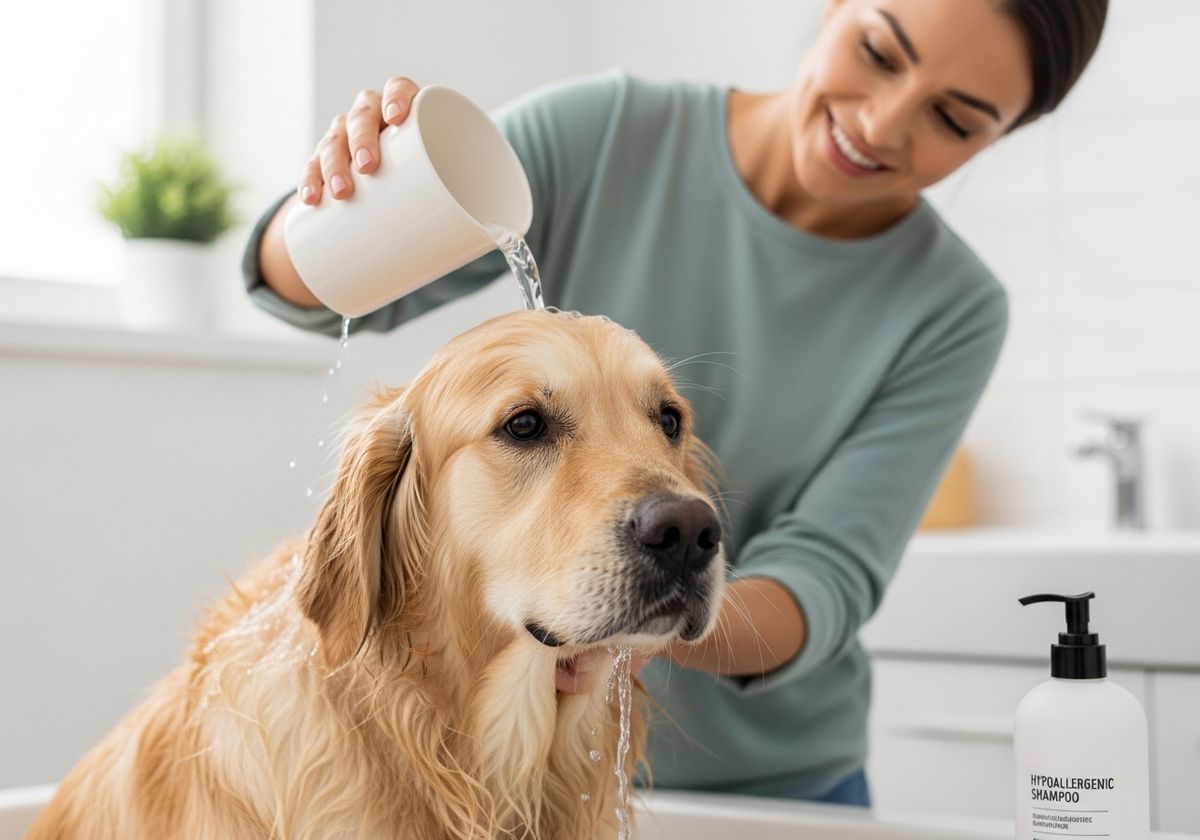
Is your furry friend constantly scratching, licking, or biting their skin? Itchy skin is a common problem in dogs, often caused by allergies, parasites, or infections. While it's essential to consult with your veterinarians to determine the underlying cause, regular bathing can provide significant relief and improve your dog's skin health. But how often should you bathe an itchy dog, and what are the best practices?
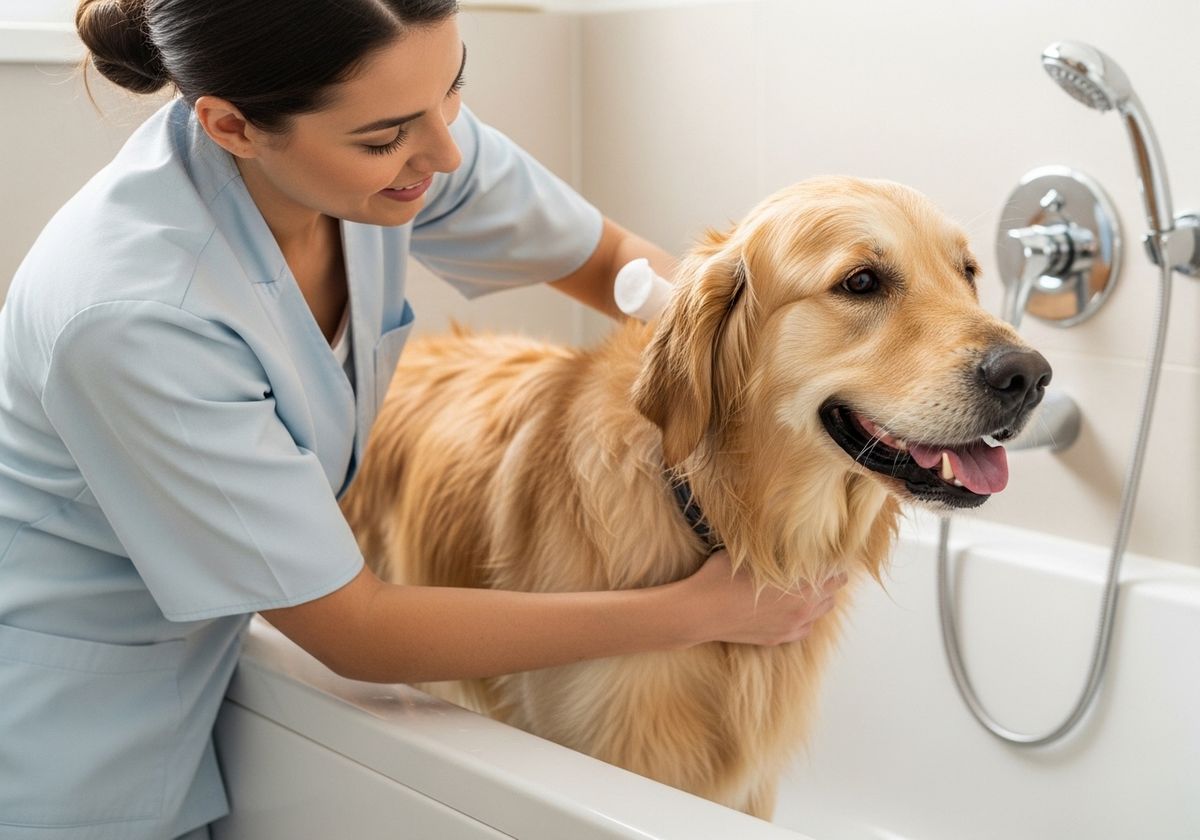
Finding the Right Bathing Frequency
The ideal bathing frequency depends on the severity of your dog's condition and the recommendations of your vet clinic or vet dermatologist. Here are some general guidelines:
Mild Itchiness: Bathing once every 1-2 weeks may be sufficient to remove allergens and soothe the skin.
Moderate Itchiness: More frequent bathing, such as every 3-5 days, may be necessary to provide relief. Use a gentle, hypoallergenic shampoo to avoid further irritation.
Severe Itchiness: In severe cases, daily bathing may be recommended by your veterinarian, especially when using medicated shampoos.
It's crucial to monitor your dog's skin for any signs of dryness or irritation. If you notice these issues, reduce the bathing frequency or consult with your veterinarian.
Essential Bathing Tips for Itchy Dogs
To make bath time effective and comfortable for your dog, follow these tips:
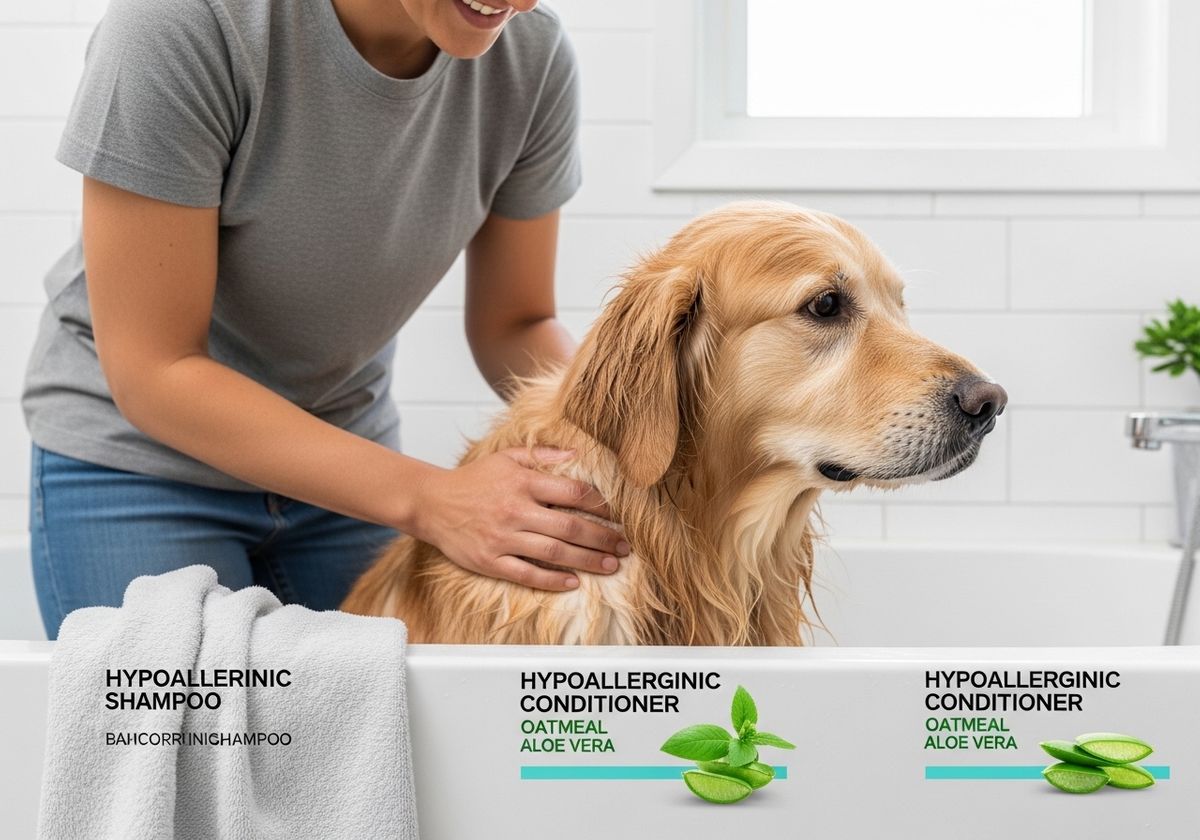
Use a Hypoallergenic Shampoo: Choose a shampoo specifically formulated for sensitive skin. Avoid products with harsh chemicals, fragrances, and dyes.
Lukewarm Water: Use lukewarm water, as hot water can dry out the skin and worsen the itchiness.
Gentle Massage: Gently massage the shampoo into your dog's coat, paying attention to affected areas. Let the shampoo sit for the recommended time (usually 5-10 minutes) to allow it to work effectively.
Thorough Rinse: Rinse thoroughly to remove all traces of shampoo, as residue can cause further irritation.
Pat Dry: Instead of rubbing, gently pat your dog dry with a soft towel. You can also use a low-heat hair dryer, but be careful not to overheat the skin.
Consider a Conditioner: A hypoallergenic conditioner can help moisturize the skin and prevent dryness. Look for products containing oatmeal, aloe vera, or other soothing ingredients.

When to Seek Professional Help from a Dog Allergist
If your dog's itchiness persists despite regular bathing and home care, it's time to consult with a vet dermatologist. They can perform allergy testing, diagnose underlying skin conditions, and recommend appropriate treatments, such as medications or immunotherapy. Bathing can be a valuable tool in managing your dog's itchy skin. By following these tips and working closely with your veterinarian, you can help your furry friend find relief and enjoy a happier, more comfortable life.
At Great Plains Veterinary Dermatology, our mission is to provide compassionate, holistic veterinary dermatology care rooted in open communication, trust, integrity, and empathy. If you're in the Omaha area and your pet is experiencing persistent skin issues, we're here to help. Contact us today to learn more about our services and how we can support your pet's skin health. We're committed to the community and dedicated to fostering collaboration between our team, clients, and other community veterinary healthcare professionals to provide high-quality dermatology care to relieve animal suffering and strengthen the human-animal bond. Schedule a consultation or call for more information today!