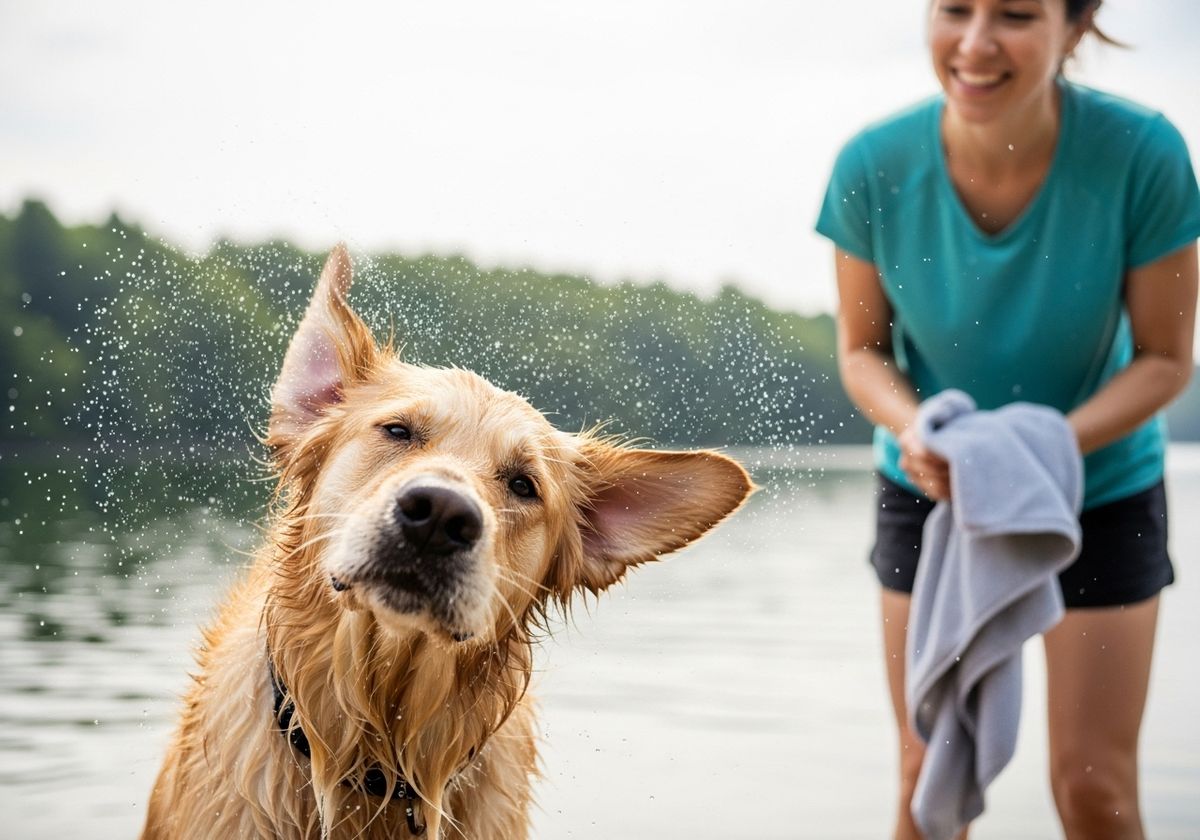
After a fun-filled day of swimming in the lake, it's essential to ensure your furry friend's ears are well taken care of. Water trapped in the ear canal can lead to discomfort and potential infections. This guide from Great Plains Veterinary Dermatology provides simple steps to keep your dog's ears healthy and happy after their aquatic adventures.
Why is Ear Care Important After Swimming?
Dogs' ears, especially those with floppy ears, are prone to trapping moisture. This moist environment becomes a breeding ground for bacteria and yeast, leading to infections like otitis externa. Regular cleaning and drying can prevent these issues and keep your dog comfortable.
Step-by-Step Guide to Cleaning Your Dog's Ears
Gather Your Supplies: You'll need a gentle ear-cleaning solution recommended by your veterinarian, cotton balls, and a soft towel. Avoid using cotton swabs, as they can push debris further into the ear canal.
Check for Any Irritation: Before cleaning, inspect your dog's ears for redness, swelling, or discharge. If you notice any of these signs, consult your veterinarian before proceeding.
Apply the Cleaning Solution: Lift your dog's ear flap and gently squeeze the recommended amount of ear-cleaning solution into the ear canal.
Massage the Base of the Ear: Gently massage the base of the ear for about 30 seconds to help loosen any debris. Your dog might enjoy this part!
Allow Your Dog to Shake: Let your dog shake their head. This helps dislodge the debris and excess solution from the ear canal. Don't worry; it's a natural and effective part of the process.
Wipe Away Debris: Use a cotton ball to gently wipe away any visible debris and excess solution from the outer part of the ear. Never insert anything deep into the ear canal.
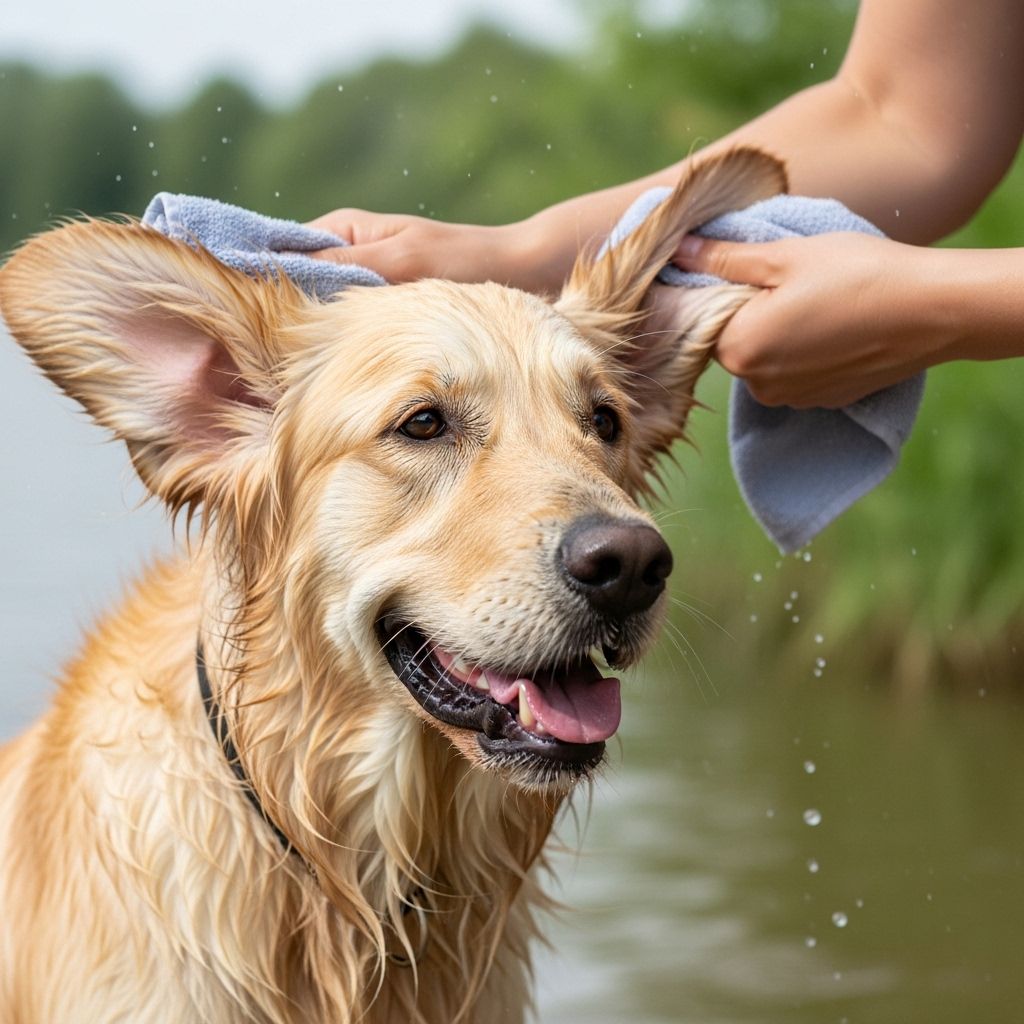
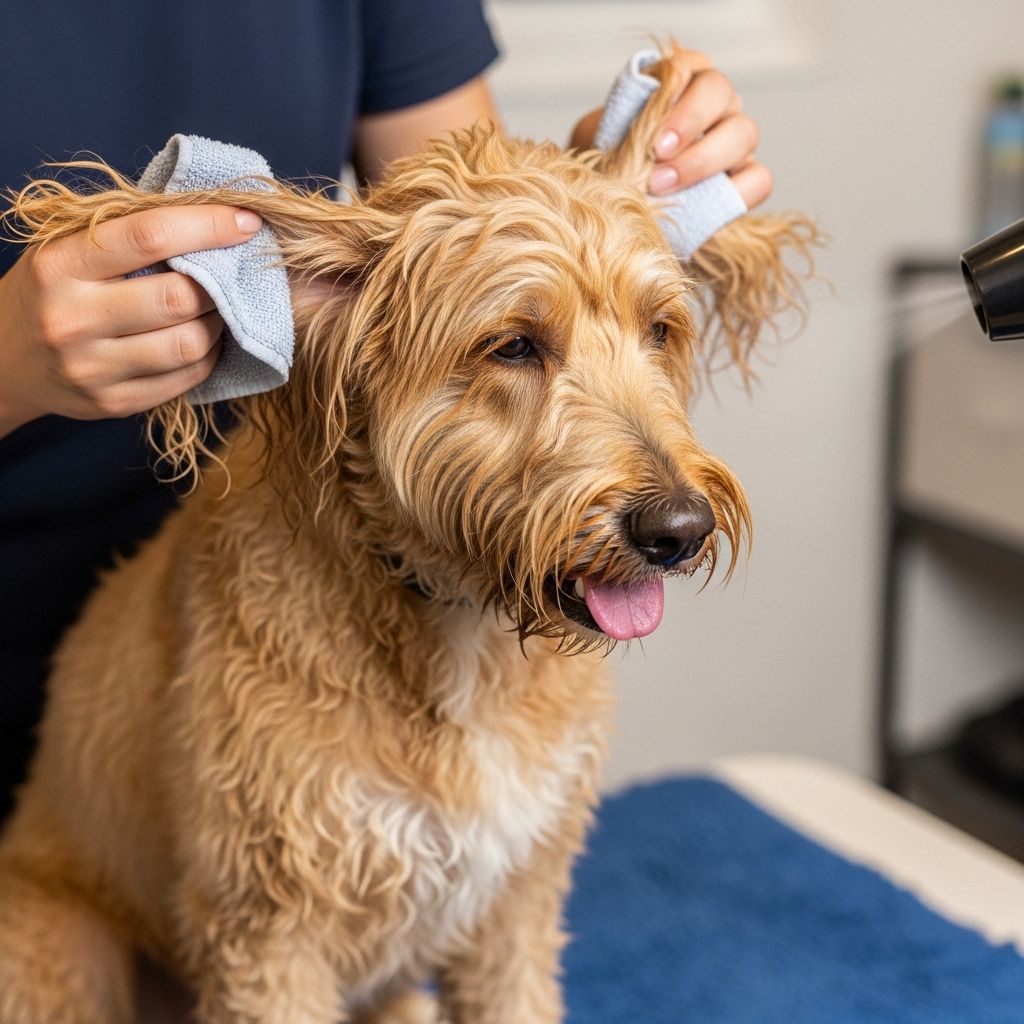
Dry the Ears: Use a soft towel to dry the outside of the ear and the ear flap thoroughly. Moisture is the enemy, so ensure everything is dry.
Tips for Maintaining Healthy Dog Ears
Regular Cleaning: Depending on your dog's breed and lifestyle, aim to clean their ears once a week or as recommended by your vet. Dogs prone to allergies or skin issues may require more frequent cleaning. If your dog has underlying allergies, consulting with a veterinary dermatologist, cat allergist, or dog allergist can provide tailored guidance for managing their specific needs.
Keep Ears Dry: After swimming or bathing, always dry your dog's ears thoroughly. Consider using a drying aid specifically designed for dogs' ears.
Watch for Signs of Infection: Be vigilant for signs of ear infections, such as head shaking, scratching, redness, discharge, or an unpleasant odor. Early detection and treatment are crucial.
Consult Your Vet: If you're unsure about cleaning your dog's ears or suspect an infection, don't hesitate to seek professional veterinary advice. They can guide you on the best approach for your dog's specific needs.
Monitor for Skin Tumors on Dogs: While cleaning, also be aware of any unusual lumps or bumps. Early detection is key.
Taking care of your dog's ears after swimming is a simple yet crucial part of their overall health and well-being. Regular cleaning and monitoring can prevent discomfort and infections, ensuring they continue to enjoy their aquatic adventures. At Great Plains Veterinary Dermatology, we understand the importance of proactive pet care. If you have any concerns about your pet's skin or ear health, don't hesitate to reach out. We're here to provide expert guidance and support to keep your furry friends happy and healthy. Contact us today to schedule a consultation or learn more about our services!