
For many pet parents, seeing their beloved companion uncomfortable is heart-wrenching, especially when skin issues are at play. One common yet often misunderstood culprit behind persistent itching and skin irritation in pets is Flea Allergy Dermatitis (FAD). This condition means your pet isn't just bothered by fleas; they're having an allergic reaction to proteins in flea saliva, making even a single bite a significant problem. At Great Plains Veterinary Dermatology, we understand the distress FAD can cause and are here to help you recognize the signs.
Intense, Unrelenting Itching
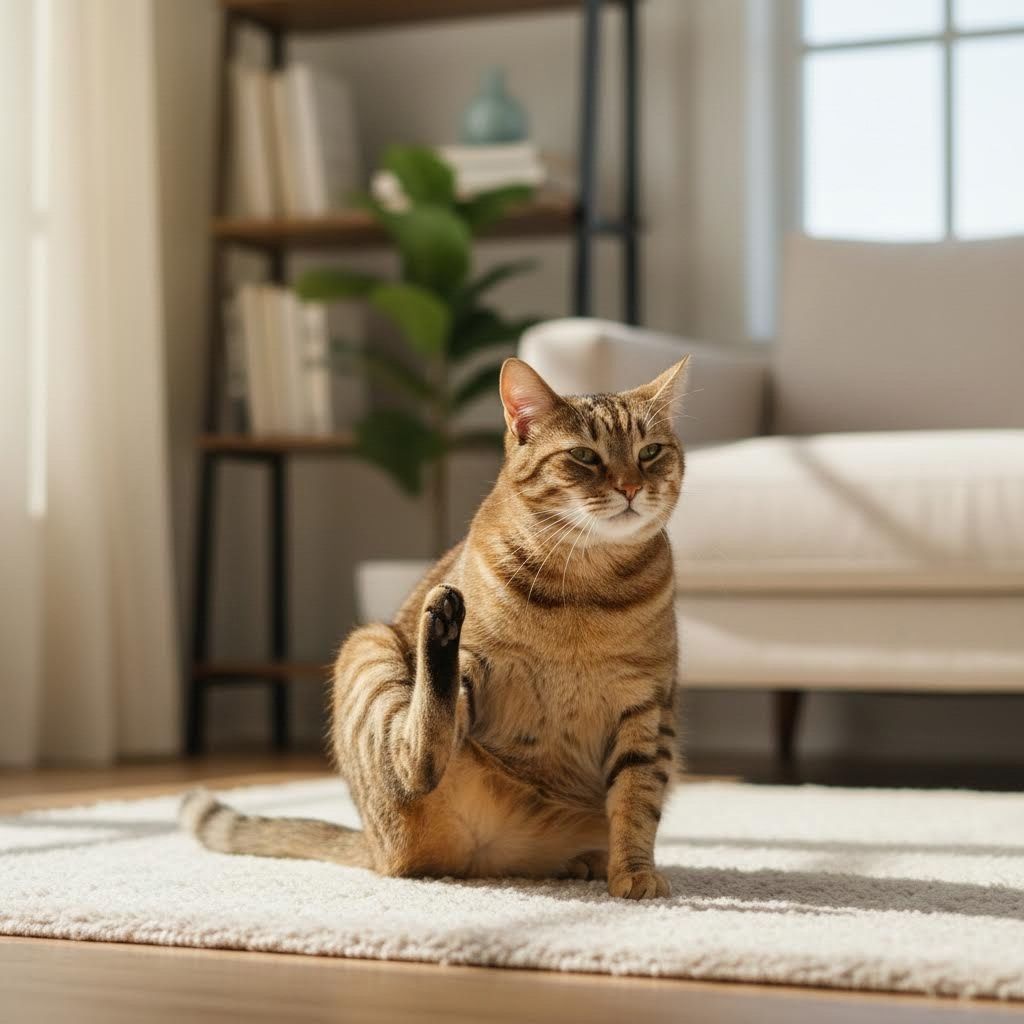
Perhaps the most obvious and frustrating sign of Flea Allergy Dermatitis is severe pruritus, or itching, that seems disproportionate to the number of fleas you might see. While all pets scratch when bitten by a flea, those with FAD experience an extreme, often uncontrollable urge to itch, bite, chew, or lick themselves excessively. This intense discomfort can persist long after the flea has left, as the allergic reaction continues, and can impact your pet’s daily life, disrupting sleep and overall well-being. This isn't just typical scratching; it's a persistent, often frantic effort to relieve deep-seated irritation.
Skin Lesions and Hair Loss
The constant scratching, licking, and biting often lead to visible skin damage. You might observe redness, inflammation, and small red bumps, particularly around the hindquarters, tail base, inner thighs, and abdomen. These areas are prime targets for fleas and where allergic reactions tend to manifest most severely. Over time, this self-trauma can result in hair loss (alopecia), thickened, darkened skin (hyperpigmentation and lichenification), and the development of crusts or scabs. In some cases, secondary bacterial or yeast infections can develop in these damaged areas, making the problem even more uncomfortable and requiring additional treatment.

Restlessness and Behavioral Changes
A pet suffering from Flea Allergy Dermatitis is often an unhappy pet. The relentless itching and discomfort can lead to noticeable changes in their behavior. You might find your usually calm companion becoming restless, agitated, or even irritable. They may pace, struggle to settle down, or seem unusually anxious. This constant state of irritation can affect their sleep patterns, appetite, and general mood, impacting their quality of life and even their interactions with family members. Recognizing these subtle behavioral shifts can be a key indicator that something more than just typical itching is going on.
Presence of Flea Dirt or Even a Single Flea
It's a common misconception that if you don't see many fleas, your pet can't have a flea allergy. However, for an allergic pet, it only takes one or two flea bites to trigger a severe, widespread reaction. Look closely for "flea dirt" – tiny black specks resembling ground pepper that are actually flea feces composed of digested blood. You can often find flea dirt by combing your pet's fur, especially over a white paper towel, then adding a drop of water. If the specks turn reddish-brown, it's flea dirt. Even if you only find a minimal amount of flea dirt or just an occasional flea, for a pet with FAD, that’s enough to cause significant suffering.
Recognizing the signs of flea allergy dermatitis is the first step toward relieving your pet’s discomfort. If you suspect your furry friend is suffering from FAD, understanding that expert help is available is crucial. At Great Plains Veterinary Dermatology, our mission is to provide compassionate, holistic veterinary dermatology care, ensuring your pet receives the precise, effective treatment they need to feel better. We invite you to contact us to learn more about how our board-certified veterinary dermatology specialist and dedicated vet clinic team can collaborate with you to create a tailored solution for your pet’s skin health.